Global Alliances Shift: World Leaders Bypass Trump
World leaders are forging new international alliances, notably excluding Donald Trump from key emerging security blocs. This shift sees China positioning itself as a superpower, while Ukraine offers advanced military technology and Europe takes a more active role in regional stability. These developments signal a potential restructuring of global power dynamics.

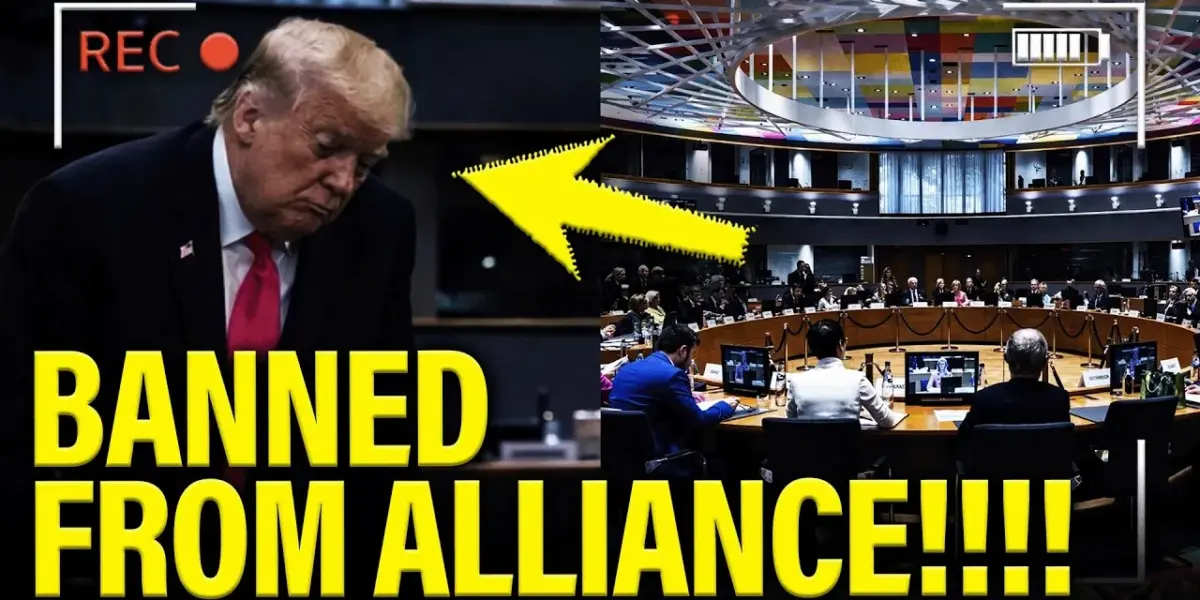
Global Alliances Shift: World Leaders Bypass Trump
A significant change is happening in international relations. World leaders are forming new alliances and, in the process, are leaving Donald Trump out of the picture. This signals a potential shift away from American leadership in certain global security matters.
Europe Steps Up Amid Shifting Alliances
French President Emmanuel Macron has announced a new alliance of nations. This group aims to bring stability to the Middle East. This move comes as the United States’ traditional security role in the region appears to be weakening. Macron described the effort as a defensive mission focused on maintaining freedom of navigation in the Strait of Hormuz. He made it clear that this coalition is separate from the actions of any particular leader, a pointed remark suggesting Trump’s exclusion.
Spain, under Prime Minister Pedro Sanchez, is also forging new international ties. Sanchez recently visited China, meeting with President Xi Jinping. He spoke about strengthening partnerships between Spanish and Chinese companies, highlighting Spain’s industrial and logistic capabilities. Sanchez emphasized the importance of China to global stability and prosperity, suggesting a renewed focus on cooperation between Europe and Asia.
Furthermore, Spain has reopened its embassy in Tehran, Iran, signaling a desire to strengthen its diplomatic ties in the region. This move, alongside other European initiatives, suggests a proactive approach to global security and economic cooperation.
China Positions Itself as a New Superpower
China’s role in these shifting alliances is becoming increasingly prominent. Crown Prince Mohammed bin Zayed of Abu Dhabi (United Arab Emirates) and Spain’s Prime Minister Pedro Sanchez both met separately with Chinese President Xi Jinping. These meetings focused on developing new security and strategic partnerships, with China positioning itself as a key player in providing international stability.
Xi Jinping has spoken about building a stronger relationship with the Arab world. He stated that in times of global change, coordination and cooperation are essential. This language suggests China’s ambition to fill the vacuum left by perceived American withdrawal or instability. The message from Beijing appears to be clear: China is ready to offer a new form of global leadership and security assurance.
Ukraine’s Emerging Role in Security
Ukraine, despite its ongoing conflict with Russia, is also presenting itself as a security partner. President Volodymyr Zelenskyy has spoken about Ukraine’s leadership in the Middle East and its efforts to build security umbrellas there. He mentioned meeting with leaders of Middle Eastern nations who are interested in Ukraine’s advanced military technology.
Zelenskyy highlighted Ukraine’s success in using robotics and drones on the battlefield against Russia. He shared a story about how a robotic army helped advance Ukrainian positions, potentially saving many lives. Ukraine is now offering its combat experience and technological expertise to other nations, including those in the Middle East and Gulf region. Countries like Saudi Arabia, UAE, Qatar, and Jordan are reportedly in discussions with Ukraine about security matters.
Zelenskyy also addressed the potential for the United States to withdraw from NATO. He suggested that if this happens, European security could rely more heavily on the European Union, potentially forming a new alliance with countries like the UK and Turkey. This vision positions Ukraine as a key security partner within a reconfigured European defense structure.
Global Reactions and Historical Context
The Vatican, through Pope Francis, has also shown a willingness to stand against what he views as divisive rhetoric. Pope Francis has stated he is not intimidated by Donald Trump’s comments and remains focused on his mission to care for humanity. This stance, along with supportive comments from Spain’s Prime Minister Sanchez, indicates a moral and political opposition to Trump’s approach from some global figures.
Leaders in Italy and Germany have also expressed concerns about the consequences of global instability and the effectiveness of certain foreign policies. These reactions suggest a growing unease with the direction of international relations and a desire for more stable and cooperative frameworks.
Historically, the United States has been a central pillar of global security for decades, leading alliances like NATO and providing a security umbrella for many nations. However, recent political shifts and a focus on national interests have led some allies to seek alternative partnerships and security arrangements. The emergence of China as a global economic and military power, combined with Europe’s and Ukraine’s proactive security initiatives, points to a multipolar world where leadership is more distributed.
Why This Matters
This development is crucial because it signals a potential restructuring of global power dynamics. If nations are increasingly looking to China or forming regional security blocs independent of the US, it could reshape international trade, diplomacy, and conflict resolution. The perceived weakening of the American security umbrella might lead to greater regional instability or, conversely, encourage greater self-reliance and cooperation among nations.
Implications, Trends, and Future Outlook
The trend shows a move away from a unipolar world dominated by the US towards a more multipolar system. Nations are seeking stability and security through diverse partnerships, reflecting a desire for more tailored and reliable arrangements. China’s growing influence, Ukraine’s innovative security offerings, and Europe’s assertive stance are all part of this evolving global order.
The future outlook suggests continued diversification of alliances. Countries will likely hedge their bets, engaging with multiple powers to ensure their security and economic interests. This could lead to a more complex and less predictable international landscape, where traditional alliances are challenged and new forms of cooperation emerge.
Source: FURIOUS World Leaders BAN Trump from NEW ALLIANCES!!! (YouTube)

Related Articles
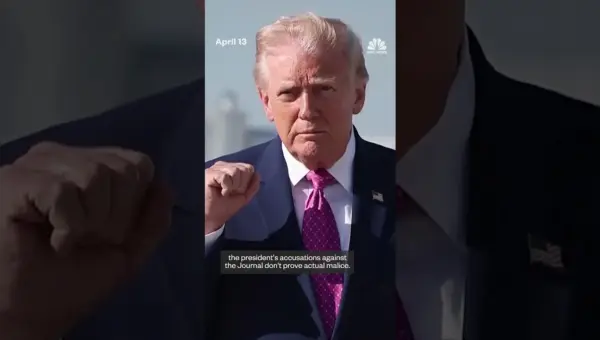
Judge Tosses Trump’s $10B Lawsuit Against WSJ
A federal judge has dismissed former President Donald Trump's $10 billion lawsuit against The Wall Street Journal. The judge ruled that Trump's team failed to prove 'actual malice' by the newspaper. Trump's legal team stated they will continue to fight against what they call 'fake news'.

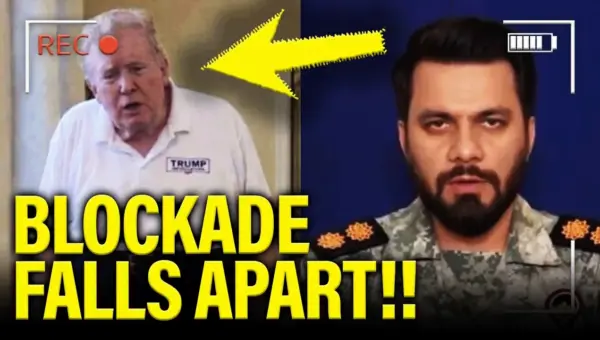
Iran’s Bold Move Exposes US Weakness in Persian Gulf
A Chinese tanker's easy passage through a U.S. blockade and a U.S. aircraft carrier's lengthy detour raise questions about American influence in the Persian Gulf. As global alliances shift, the effectiveness of U.S. foreign policy is under scrutiny.


US Oil Sanctions on Iran Spark Global Price Fears
New U.S. sanctions on Iran are drawing sharp criticism from China and sparking fears of higher global oil prices. While intended to pressure Iran, analysts suggest the measures could inadvertently disrupt supply and increase costs worldwide. The situation unfolds amidst ongoing ceasefire talks and broader geopolitical tensions.