Trump’s Tariff Threat: China’s Iran Arms Deal Sparks Crisis
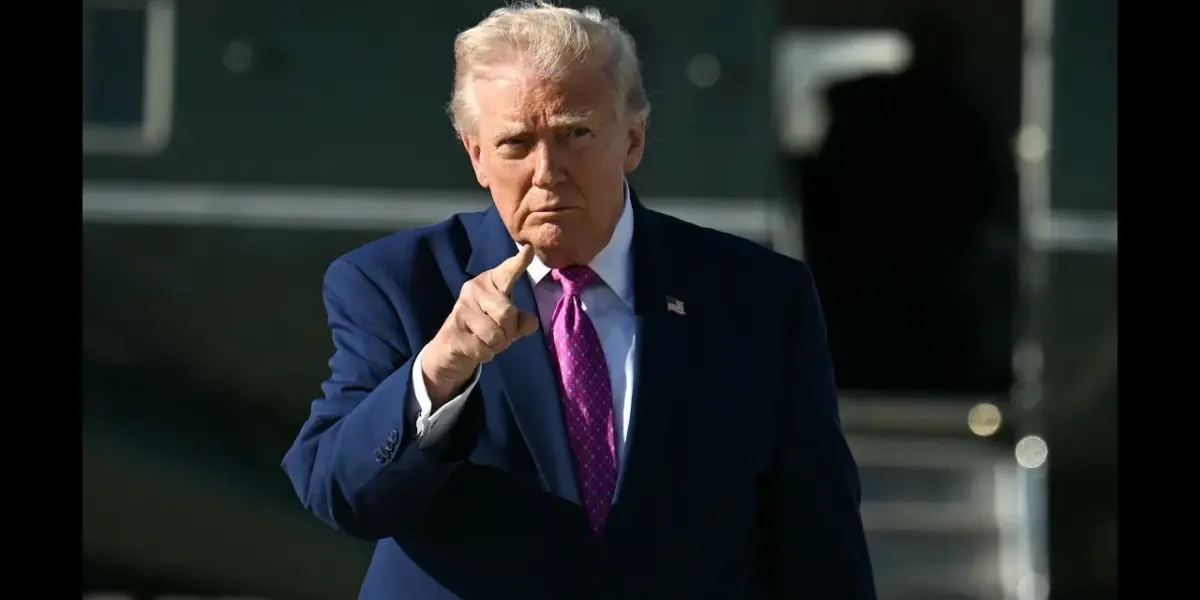
President Trump has warned China against supplying weapons to Iran, threatening a "staggering" 50% tariff if they do. U.S. intelligence reports suggest China may be preparing to send air defense systems, including missiles, to Iran. This development significantly heightens tensions ahead of a crucial summit between President Trump and Chinese President Xi Jinping.

Trump’s Tariff Threat: China’s Iran Arms Deal Sparks Crisis
The United States is watching closely to see if China is supplying weapons to Iran. This concern comes after media reports, citing U.S. intelligence, suggested it might be happening. President Trump has issued a stern warning: any country, including China, that provides weapons to Iran will face a massive 50% tariff. These reports are putting a strain on U.S.-China relations just as a high-stakes summit between the two leaders approaches.
The Allegations and the Warning
Reports from CNN, backed by U.S. intelligence, claim that China is preparing to send additional air defense systems to Iran in the coming weeks. These shipments reportedly include shoulder-fired anti-aircraft missiles, often called MANPADS. President Trump addressed these reports directly, stating that if China proceeds, it will face “big problems.” He even mentioned the possibility of a 50% tariff, calling it a “staggering amount” for any nation involved.
While President Trump acknowledged the possibility of some involvement early on, he expressed doubt that China would continue such actions now. He stated, “I doubt they would do that because I have a relationship, but maybe they did a little bit at the beginning, but I don’t think they would anymore.” However, he was clear about the consequences should they be caught: “But if we catch them doing that, they get a 50% tariff.”
Concealment and Past Incidents
The CNN report also suggested that Beijing might be trying to ship these defense supplies through third countries. This tactic would be used to hide the origin of the weapons. This detail is significant because Iranian forces have previously used MANPADS to target U.S. aircraft. President Trump himself mentioned an incident where an F-15 fighter jet was reportedly hit by a shoulder-fired missile from Iranian forces.
It’s not confirmed if the weapon used in that specific incident was made in China. However, the types of Chinese weapons described in the recent report are similar to those used in such attacks. U.S. and European officials have previously accused Beijing of providing Iran with “dual-use” equipment. This means items that can be used for civilian purposes but can also be adapted for military use.
Economic Ties and Geopolitical Stakes
Experts suggest that China’s potential support for Iran might be driven by its economic needs. China relies heavily on cheap oil shipments from Iran. Maintaining these close ties helps China keep economic influence over Iran. Since the conflict began, China has seen a significant rise in its own gasoline prices, about 11%. This increase affects many parts of its economy, including transportation, food costs, and the chemical industry. These rising prices have worsened an already slowing Chinese economy.
President Trump is scheduled to meet with Chinese President Xi Jinping next month. The meeting is planned to cover important economic and geopolitical issues. The allegations of China supplying weapons to Iran add a serious new layer of tension to these upcoming discussions. The situation highlights the complex web of economic interests and security concerns that connect these global powers.
Why This Matters
This situation is critical for several reasons. Firstly, it directly impacts international security by potentially arming a nation that has been a source of regional instability. Secondly, it puts immense pressure on the relationship between the world’s two largest economies, the U.S. and China. The threat of a 50% tariff is a major economic weapon that could disrupt global trade and financial markets. The upcoming summit between Trump and Xi Jinping will be a crucial moment to see how these tensions are managed.
Implications and Future Outlook
If China continues to supply weapons to Iran, even through indirect means, the U.S. response could have widespread effects. A 50% tariff on Chinese goods would be devastating for many industries, potentially leading to job losses and higher prices for consumers worldwide. It could also escalate tensions beyond trade, affecting diplomatic and military relations.
On the other hand, if China backs down, it would signal a willingness to cooperate with U.S. demands, at least on this specific issue. This could ease some of the pressure on the upcoming summit. However, China’s economic dependence on Iranian oil and its desire to maintain influence might make it difficult to completely sever ties.
Historical Context
Accusations of China providing military support to Iran are not entirely new. For years, there have been concerns about Beijing’s role in supplying sensitive technology and equipment to Tehran. These concerns have often surfaced during periods of heightened geopolitical tension, such as when Iran’s nuclear program or its regional activities are under scrutiny. U.S. administrations have consistently warned against such transfers, viewing them as a threat to regional security and U.S. interests.
The current situation is intensified by the direct warning from President Trump and the specific intelligence reports. The use of MANPADS by Iranian forces has been a particular worry for the U.S. military, as these weapons pose a direct threat to aircraft. The potential for Chinese-made weapons to be used in such attacks raises the stakes considerably.
Looking ahead, the coming weeks will be pivotal. The world will be watching to see if any weapons shipments are made and how both Washington and Beijing react. The outcome will significantly shape the future of U.S.-China relations and the dynamics of Middle Eastern security.
Source: Trump Warns China Against Supplying Weapons to Iran (YouTube)

Related Articles
US Naval Blockade Forces Iran to Negotiate
The U.S. is using a naval blockade to force Iran to negotiate, targeting oil tankers to disrupt Tehran's revenue. This strategy aims to secure freedom of navigation through the Strait of Hormuz and prevent Iran from developing nuclear weapons. Investors should watch regional stability and oil prices.
Trump Ultimatum: No Deal Without Nuclear Ban
President Trump has issued an ultimatum in Iran negotiations, stating no deal will be reached if Iran pursues nuclear weapons. Meanwhile, domestic policy debates continue over DHS funding, with a reconciliation process being considered for various legislative items. Positive economic news includes a significant rise in average tax refunds, boosting consumer spending.

Iran’s Bold Move Exposes US Weakness in Persian Gulf
A Chinese tanker's easy passage through a U.S. blockade and a U.S. aircraft carrier's lengthy detour raise questions about American influence in the Persian Gulf. As global alliances shift, the effectiveness of U.S. foreign policy is under scrutiny.