New Brain Tech Offers Hope for Parkinson’s Patients
A new adaptive Deep Brain Stimulation (DBS) technology is transforming the lives of Parkinson's patients. This advanced system adjusts electrical pulses in real-time to better manage symptoms. Early results show significant improvements in daily function and quality of life, offering renewed hope for many.

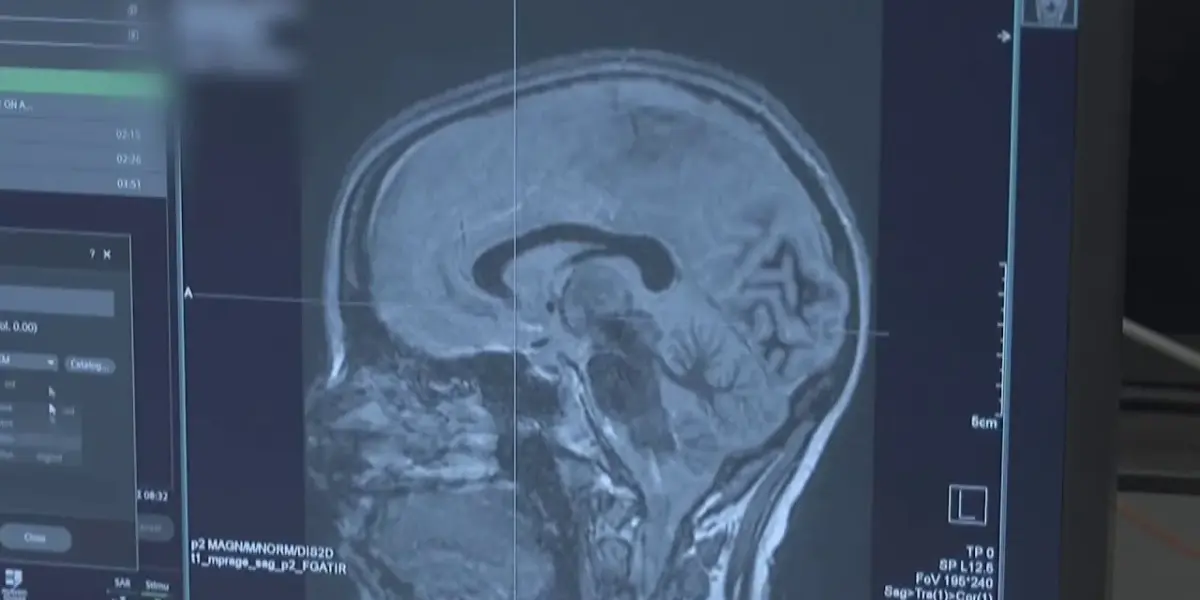
New Brain Tech Offers Hope for Parkinson’s Patients
A groundbreaking new technology is offering renewed hope to people battling Parkinson’s disease. Jessica Krauser, diagnosed with early-onset Parkinson’s at age 37, has seen her life transformed by an advanced form of Deep Brain Stimulation (DBS) that adapts in real-time to her symptoms. This innovative treatment promises significant improvements for many living with the challenging condition.
Early Onset Parkinson’s Presents Unique Challenges
Jessica Krauser’s journey began subtly. At 35, she noticed a tremor in her hand, a symptom she initially dismissed as nervousness. Over the next two years, her condition worsened, bringing painful calf and foot cramps, and an inability to move her toes properly. These symptoms became so noticeable that others began to comment. At just 37, Jessica received a diagnosis that would change her life: early-onset Parkinson’s disease. This diagnosis was particularly difficult because Parkinson’s typically affects people in their 60s and 70s. Only about 2% of patients are diagnosed before age 40, making early detection challenging.
“I would break down and cry, either at the gym or on my way home because I was like, this is my life now. And what is it going to look like in six months or a year?” Jessica Krauser shared about her initial struggles after diagnosis.
Understanding Parkinson’s Disease
Parkinson’s disease is a progressive brain disorder that primarily affects movement and balance. It occurs when brain cells that produce dopamine, a chemical messenger crucial for smooth muscle control, begin to die. As dopamine levels drop, patients experience symptoms like tremors, stiffness, slow movement, and problems with coordination and balance. While medications can help manage symptoms by mimicking dopamine, their effectiveness often decreases over time, typically within three to five years.
Deep Brain Stimulation: A Surgical Solution
For patients whose medications become less effective, neurosurgeons often consider Deep Brain Stimulation (DBS). This minimally invasive surgery involves implanting tiny electrodes into specific areas of the brain. These electrodes act like a pacemaker for the brain, sending electrical pulses to disrupt the abnormal brain signals that cause Parkinson’s symptoms. DBS has been available for years, offering a way to manage movement issues when drugs fall short.
Adaptive DBS: A Smarter Approach
The latest advancement is Adaptive DBS, a new FDA-approved device that represents a significant upgrade. Unlike older DBS systems that delivered a constant level of stimulation regardless of symptom severity, Adaptive DBS can adjust the electrical pulses in real-time. Dr. Romo, Jessica’s neurosurgeon at the Cleveland Clinic, explains that this new technology can sense when Parkinson’s signals are high and increase stimulation accordingly, better matching the patient’s needs throughout the day and night.
This adaptive capability is a major step forward. Previously, a fixed stimulation setting might be too much at times or not enough at others. The new system aims to provide more precise and responsive symptom control. This means fewer side effects and potentially better overall management of the condition.
Jessica’s Life-Changing Results
Despite the initial fear associated with brain surgery, Jessica was ready for a change. After her surgery, about eight months ago, the transformation has been remarkable. She can now perform everyday tasks that were once incredibly difficult, like cooking for her family. For Jessica, cooking is a primary way she expresses love, and the ability to chop vegetables and prepare meals again has brought immense joy and a sense of normalcy back into her life.
“Probably having the capacity and want to cook for my family. That’s how I show love to family and friends. It was really difficult cutting things or chopping like as you’re like dyskinetic and moving all around. Now I get to do that almost every day,” Jessica shared, highlighting the profound impact of the technology on her daily life.
Widespread Potential for Adaptive DBS
The potential reach of this new technology is substantial. Medtronic’s Adaptive DBS system received FDA approval in February 2025. Currently, around 2,500 patients have received this new device. However, the technology is largely a software update. This means that approximately 50,000 patients in the U.S. who already have a compatible DBS system could potentially have Adaptive DBS enabled by their doctors. This could quickly expand the number of people benefiting from this advanced treatment.
Experts emphasize that while the idea of brain surgery can be frightening, the procedure is minimally invasive. For those struggling with Parkinson’s symptoms that medications can no longer adequately control, this technology offers a powerful new option. It addresses the common concern that patients may have to simply endure worsening symptoms as their medications become less effective.
Looking Ahead
The success stories like Jessica Krauser’s signal a promising future for Parkinson’s treatment. As more patients gain access to Adaptive DBS, researchers will continue to monitor its long-term effectiveness and potential benefits. The focus remains on improving the quality of life for individuals living with Parkinson’s disease, offering them more control and the ability to engage fully in the activities they love.
Source: New technology offers hope for Parkinson’s patients (YouTube)

Related Articles

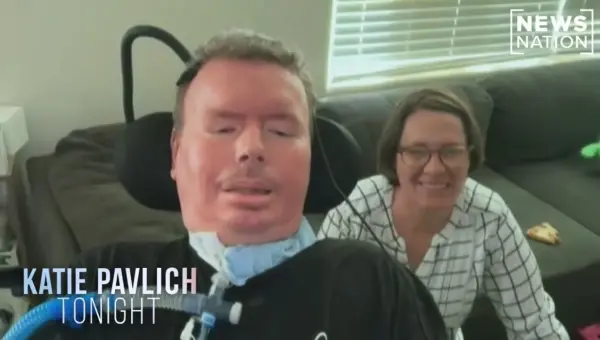
Brain Chip Restores Voice, Frees Man From ALS Prison
A Neuralink brain implant has dramatically improved the life of Brad Smith, who lost his ability to speak due to ALS. He can now control computers with his thoughts and communicate using an AI-generated version of his own voice, regaining independence and connection with his family.


Parkinson’s Cases Surge, New Treatments Emerge
Parkinson's disease cases have surged 50% in 30 years, with experts predicting a doubling by 2040. Actor Terry Crews' wife, Rebecca King Crews, revealed her diagnosis and recent non-invasive brain surgery. Doctors point to lifestyle factors like diet, sleep, and exercise as key prevention strategies.


Parkinson’s Cases Surge, New Hope Emerges
Parkinson's disease cases have surged by 50% in 30 years, with predictions of doubling by 2040. Rebecca King Crews's recent non-invasive surgery offers new hope. Experts stress lifestyle changes for prevention amidst rising global health concerns.