Canada Rises: A Nation Reclaims Its Strength
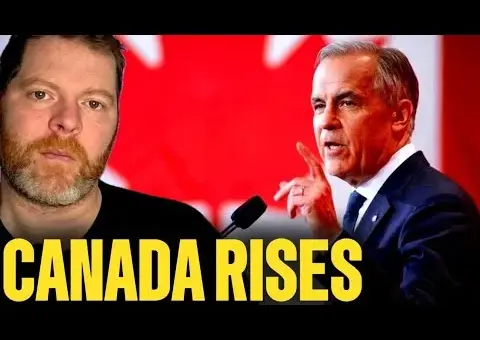
Prime Minister Mark Carney's powerful speech champions a "Canada strong" vision, urging national unity and self-reliance. He highlights Canada's potential to lead the free world by prioritizing domestic industries, rediscovering national identity, and embracing its unique values. This marks a significant moment for Canada's assertive role on the global stage.


Canada Rises: A Nation Reclaims Its Strength
Prime Minister Mark Carney recently delivered a powerful speech that resonated deeply with Canadians, marking a significant moment for the nation. Speaking at the Liberal Party convention in Montreal, Carney didn’t just address domestic issues; he presented a bold vision for Canada’s future on the world stage. His words offered a stark contrast to the prevailing political climate and signaled a new era of national pride and self-reliance.
A New Direction for Canada
Carney’s speech was a clear call to action, emphasizing unity and strength in the face of global challenges. He spoke of a Canada that is not merely a neighbor but a leader, capable of charting its own course. This vision is built on the idea of “Canada strong,” a concept that champions the nation’s unique identity and its potential to lead the free world. The Prime Minister highlighted the accomplishments of his tenure and, more importantly, the collective achievements of the Canadian people. His message was one of empowerment, urging citizens to embrace their country’s potential.
“The days the days of our military sending 70 cents of every dollars to the United States are over. We are going to build We are going to build Canada strong with Canada steel. CANADIAN ALUMINUM, CANADIAN LUMBER, Canadian workers.”
This powerful declaration underscores a shift towards greater economic independence and national investment. It’s a move to prioritize domestic industries and labor, ensuring that Canada’s growth benefits its own citizens first. The sentiment resonated through the room, met with a resounding standing ovation, showing a strong public desire for this renewed sense of national purpose.
Rediscovering National Identity
A key theme in Carney’s address was the idea of Canadians rediscovering their own country. He pointed to small, individual acts of solidarity that, when multiplied, create a significant national impact. This includes choosing Canadian products, planning vacations within Canada, and supporting local tourism. The speech noted a record-breaking summer for Canada’s tourism sector, with increased train travel, visits to national parks, and museum attendance. These aren’t just economic indicators; they represent a deeper connection to the nation’s identity and heritage.
The Prime Minister framed this movement as Canadians becoming “masters of our own destiny.” This isn’t about politics as usual or petty disagreements. It’s about a collective commitment to building a stronger, more unified Canada for everyone. This sentiment was palpable in the room, a shared feeling of strength and determination amongst those present.
Looking Forward, Not Back
Carney was clear that this is not a time for nostalgia or waiting for past conditions to return. He described the current global situation as a “rupture” and a “betrayal” of established international norms, particularly referencing the impact of the Trump administration. However, instead of dwelling on the past, he urged Canadians to look forward and shape their future. He warned that inaction or a reliance on past strategies could lead to surrendering the nation’s future.
The speech also touched upon the accelerating pace of technological change, like artificial intelligence, and the need for Canada to be at the forefront of shaping its destiny. Furthermore, Carney acknowledged the crumbling foundations of the international order, an order that Canada helped build and has benefited from. This acknowledgment sets the stage for Canada to assert a more independent and proactive role globally.
Canadian Resilience and Values
The Prime Minister drew parallels between the nation’s response to tragedies and crises and its current global positioning. He highlighted how Canadians have consistently come together, showing empathy, compassion, and a willingness to support one another. The example of Tumbler Ridge, where the community rallied after a tragic event, served as a powerful illustration of this inherent Canadian spirit. This collective strength, rooted in basic human values, is seen as a defining characteristic of the nation.
This spirit of looking out for each other is now being translated into national policy. The new “buy Canadian” policy, which prioritizes Canadian suppliers for government spending, is a direct result of this ethos. It signals a practical application of the “Canada strong” vision, aiming to bolster the domestic economy and reinforce national self-sufficiency.
Navigating a Complex World
Carney acknowledged the challenging path ahead, comparing it to navigating “black ice” and “steep climbs.” He recognized that the journey towards making Canada an even better country would involve headwinds and pragmatic determination. The current global landscape is described as more dangerous and divided, prompting a strategic shift from relying solely on the strength of Canadian values to also building the “value of our strength.” This implies a more robust and assertive foreign policy and defense strategy.
He also invoked Canada’s historical legacy, referencing the Indigenous peoples and voyagers who mapped the continent and built vast trading networks long before the United States was a unified nation. This historical context serves to remind Canadians of their long-standing capacity for exploration, innovation, and nation-building.
Unity in Diversity
The speech addressed the core of Canadian identity: unity forged through accommodation and partnership, not domination. It celebrated the nation’s founding principle that unity does not require uniformity. The strength of Canada, Carney argued, lies in nurturing its differences rather than managing them as risks. This inclusive approach is presented as a moral conviction that has shaped the country over generations.
Ultimately, Carney concluded that Canada’s leadership in the free world stems from its “virtue” – its commitment to kindness, unity, and standing with marginalized communities. This virtue, like a muscle, grows with exercise. By actively choosing to be kind, seek unity, and embrace their Canadian identity, citizens contribute to Canada’s collective growth and its standing on the global stage. The speech ended with a powerful standing ovation, a clear indication that this message of national strength and purpose had deeply resonated with the audience.
Why This Matters
Prime Minister Carney’s speech is more than just a political address; it’s a declaration of intent for Canada. In a world often characterized by division and uncertainty, his message of national unity, self-reliance, and principled leadership offers a compelling alternative. The emphasis on domestic production and prioritizing Canadian workers signals a potential shift in global trade dynamics and economic policy. It suggests that Canada is actively choosing to build its own future, rather than being passively shaped by external forces.
The speech also speaks to a broader trend of nations re-evaluating their global roles and asserting their unique identities. As international alliances shift and new challenges emerge, Canada’s proactive stance, rooted in its historical values and a forward-looking vision, could position it as a key player in shaping a more stable and equitable global order. The call for Canadians to embrace their collective strength and virtue serves as a powerful reminder that national progress is often driven by the choices and actions of its citizens.
Implications and Future Outlook
The “Canada strong” narrative could have significant implications for international relations, trade, and domestic policy. It suggests a more assertive foreign policy, one that prioritizes Canadian interests while upholding global values. Economically, it points towards increased investment in Canadian industries and a potential rebalancing of trade relationships. Domestically, the focus on unity and shared purpose could foster greater social cohesion and a renewed sense of national pride.
The future outlook suggests a Canada that is more self-assured and proactive. By embracing its unique strengths and values, the nation aims to not only thrive internally but also to offer a model of principled leadership on the world stage. This vision, if effectively implemented, could redefine Canada’s role in the 21st century, moving it from a supporting player to a leading force for positive global change.
Historical Context
Canada has a long history of defining its identity in relation to its powerful southern neighbor. From early nation-building efforts to its role in international conflicts, Canada has often sought to carve out a distinct path. The post-World War II era saw Canada play a significant role in establishing international institutions, reflecting its commitment to multilateralism and global cooperation. However, recent years have presented new challenges, including shifts in global power dynamics and evolving trade relationships. Carney’s speech can be seen as a modern articulation of Canada’s desire for sovereignty and its commitment to its foundational principles, adapting them to contemporary global realities.
Source: Canada PM DESTROYS Trump in HISTORIC SPEECH!!! (YouTube)

Related Articles


Trump’s Global Chaos: Blockades, Feuds, and a World Turning Away
Trump's recent actions, including a naval blockade of the Strait of Hormuz and a public feud with Pope Leo XIV, are causing global unrest. Canada's Prime Minister has sharply rebuked U.S. policy, signaling a potential shift in international alliances.

Canada Charts New Course, Challenges US Economic Ties
Canada is actively strengthening its economy and forging new global partnerships, signaling a potential shift in its relationship with the United States. This move challenges US economic ties and highlights Canada's unified approach to national development. The US may face consequences from reduced resource exports and increased costs for key materials.


Canada Cedes Ground to Beijing’s Influence
Canadian lawmaker Garnet Jennis condemns the cancellation of Shen Yun performances due to foreign interference. He argues these events are a threat to Canada's sovereignty and artistic freedom, calling for stronger action against Beijing's influence.