Iran’s Gamble: US Holds Strong Cards in Standoff
Iran's strategy in recent talks with the US appears flawed, based on a misreading of global power dynamics. Facing economic collapse and internal pressure, Iran is in a bind. Analyst David Wormzer believes the US holds the stronger hand, with limited time left for a diplomatic solution before potential hostilities resume.

Iran’s Gamble: US Holds Strong Cards in Standoff
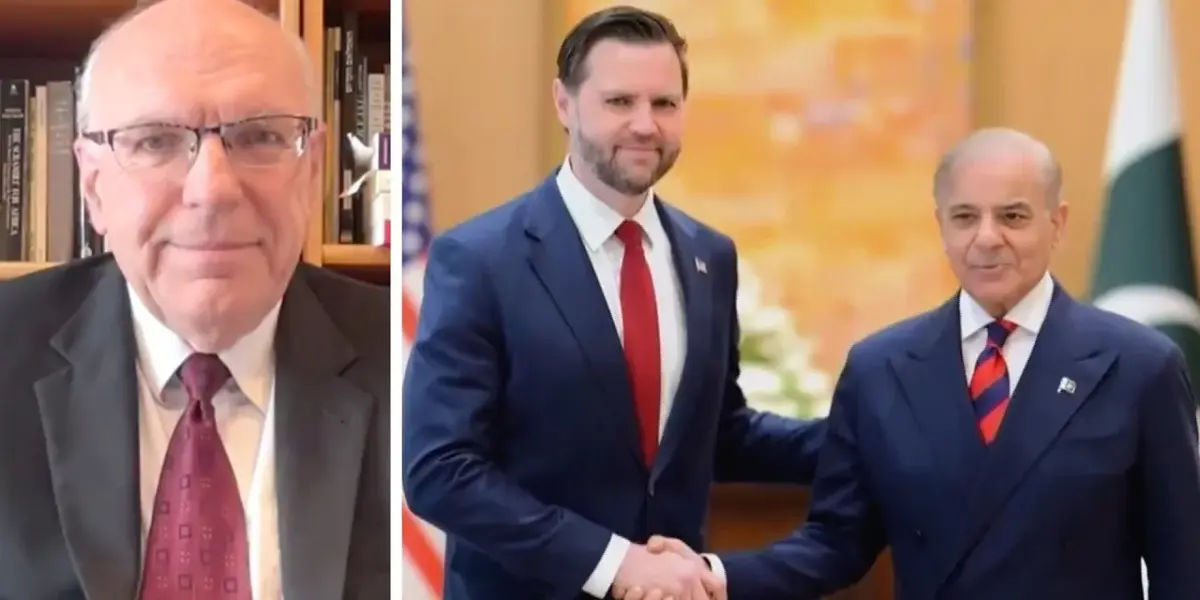
Recent negotiations between the United States and Iran, held in Pakistan, failed to reach an agreement. Vice President JD Vance reported no progress, suggesting Iran may be overestimating its position. Middle East affairs analyst David Wormzer believes Iran’s strategy is based on a misunderstanding of the global and domestic situations.
Misreading the Global Mood
Wormzer explained that Iran seems to be listening to a narrative suggesting the United States has been weakened. This includes both international propaganda and domestic opposition within the U.S. The analyst feels Iran’s policy is built on this flawed view, rather than on the clear statements from President Trump and Vice President Vance.
Economic Pressures on Iran
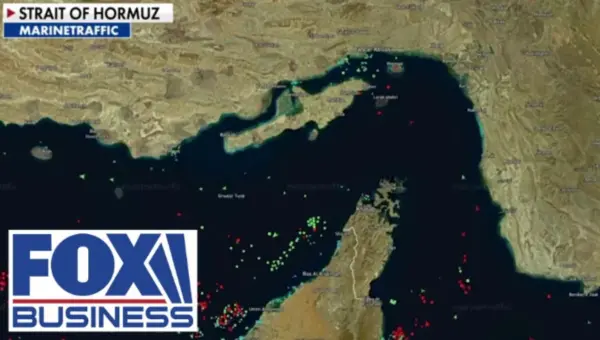
Iran finds itself in a difficult situation. The country relies heavily on fees collected from ships passing through the Strait of Hormuz. These fees, estimated at $2 million per ship, with about 140 ships daily, could bring in over $100 billion. This income is crucial for Iran, whose GDP before the recent conflict was around $375 billion. The war has likely reduced their economic capacity by 30%. Without this revenue, Iran faces economic collapse. Furthermore, if the Strait of Hormuz remains closed, it impacts 80% of Iran’s economy, which is tied to its oil industry.
The Dilemma of Appearing Weak
Despite these economic pressures, Iran cannot afford to appear weak. In a totalitarian system, showing weakness can be the end of the regime. This creates a bind: they need money but cannot concede to U.S. terms without risking internal instability.
Iran’s Strategy: Buying Time?
Wormzer suggests Iran’s current strategy is to buy time. They are reportedly importing Chinese man-portable air-defense (MANPAD) missiles. The hope is that by delaying, they can acquire these weapons. If hostilities resume, they might be able to shoot down aircraft or take hostages. This could disrupt U.S. strategy. Iran may also plan to launch missiles at Israel, projecting a sense of victory, and import foreign fighters to support the regime.
Limited Timeframe
The analyst believes Iran does not have much time. The current ceasefire is set to end in about eight days. If no agreement is reached, both the U.S. and Israel could act against what they perceive as Iranian provocations, such as missile shipments. Iran’s economy is also running out of essential goods, leading to lines for basic items. Wormzer estimates Iran has only days, perhaps a week or two, before the situation becomes unsustainable.
The Nuclear Question
Giving up its nuclear program seems unlikely for Iran. Wormzer explained that the regime likely sees its long-term survival and agenda tied to nuclear weapons, missiles, and other advanced military capabilities. While they might agree to certain terms, he doubts they would truly abide by them, citing past agreements where Iran was caught cheating shortly after signing.
Iran’s Remaining Cards
What cards does Iran have left to play? One is deterrence. They can threaten to destroy ports on the Arab side of the Gulf and disrupt the energy industry, causing oil prices to skyrocket. This deeply concerns Western nations. Keeping the Strait of Hormuz closed on their end also raises energy prices. Iran may also be counting on international opinion and a narrative, spread through social media, that they are still powerful and that the U.S. cannot afford a war. However, Wormzer believes these are intangible advantages. The United States, he argues, holds the stronger assets in this situation.
Potential U.S. Options
If Iran refuses to give up its nuclear ambitions, the U.S. has a few options. One is to resume military action, potentially leading to a more aggressive effort to destabilize the Iranian regime. Another option is for the U.S. to accept the situation and reserve the right to strike Iranian targets whenever necessary. This could involve striking missile shipments, nuclear facilities, or responding to actions by Iranian-backed militias. This scenario could lead to a prolonged state of tension without a formal ceasefire, or a combination of both paths.
Why This Matters
The outcome of this standoff has significant implications for global energy markets, regional stability, and the international non-proliferation regime. Iran’s pursuit of nuclear capabilities and its regional activities have long been a source of tension. The current negotiations represent a critical juncture. If diplomacy fails, the region could face renewed conflict, with potentially devastating consequences. The economic stability of many nations relies on the free flow of oil through the Strait of Hormuz. Any disruption could lead to severe economic hardship worldwide. The ability of nations to pursue nuclear technology, even for peaceful purposes, is also at stake, as is the effectiveness of international agreements designed to prevent the spread of nuclear weapons.
Historical Context and Future Outlook
The current situation builds on decades of complex relations between the U.S. and Iran, including the 1953 coup, the 1979 revolution, and subsequent periods of confrontation and negotiation. Past agreements, like the 2015 Joint Comprehensive Plan of Action (JCPOA), have been fraught with challenges, highlighting the deep mistrust between the two sides. The analyst’s assessment suggests a short window for a diplomatic solution. If talks fail, the immediate future points towards a potential escalation of hostilities or a prolonged period of strategic tension. The long-term outlook depends heavily on Iran’s internal dynamics and its willingness to alter its strategic calculus regarding its nuclear program and regional influence. The U.S. stance, as described, suggests a readiness to act decisively if its security interests are threatened, leaving Iran with difficult choices.
Source: The US ‘Hold the Cards’ in Iran War: Middle East Affairs Analyst (YouTube)

Related Articles
US Naval Blockade Forces Iran to Negotiate
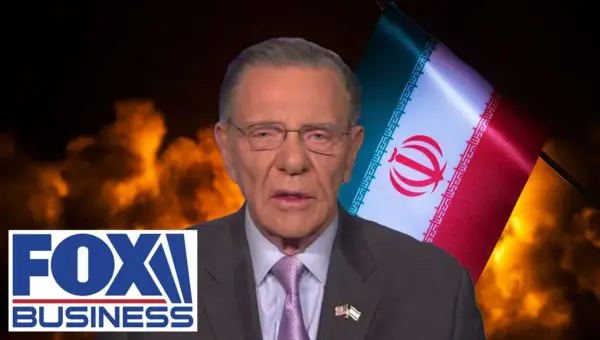
The U.S. is using a naval blockade to force Iran to negotiate, targeting oil tankers to disrupt Tehran's revenue. This strategy aims to secure freedom of navigation through the Strait of Hormuz and prevent Iran from developing nuclear weapons. Investors should watch regional stability and oil prices.

Democrats Force Vote on Iran War Amid Trump-Pope Clash
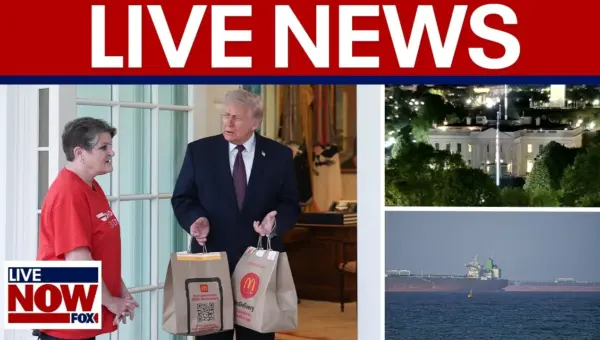
Senate Democrats are demanding a vote on a war powers resolution concerning the conflict with Iran, citing American casualties and escalating costs. This move comes amid a public disagreement between President Trump and Pope Leo over the U.S. approach to Iran. International efforts are also underway to address security in the Strait of Hormuz.

Iran Faces Economic Crisis Amid Sanctions Over Nuclear Ambitions
Iran faces a severe economic crisis as international sanctions target its nuclear program and regional proxies. The regime's financial decisions have led to internal unrest and a critical point regarding its nuclear ambitions.