Trump’s Gulf Strategy Shakes Markets, China Faces Losses
General Keith Kellogg highlights Donald Trump's assertive strategy in the Gulf, which is impacting global markets and particularly China. The approach emphasizes U.S. economic and military strength, potentially creating significant shifts in international relations and trade dynamics.

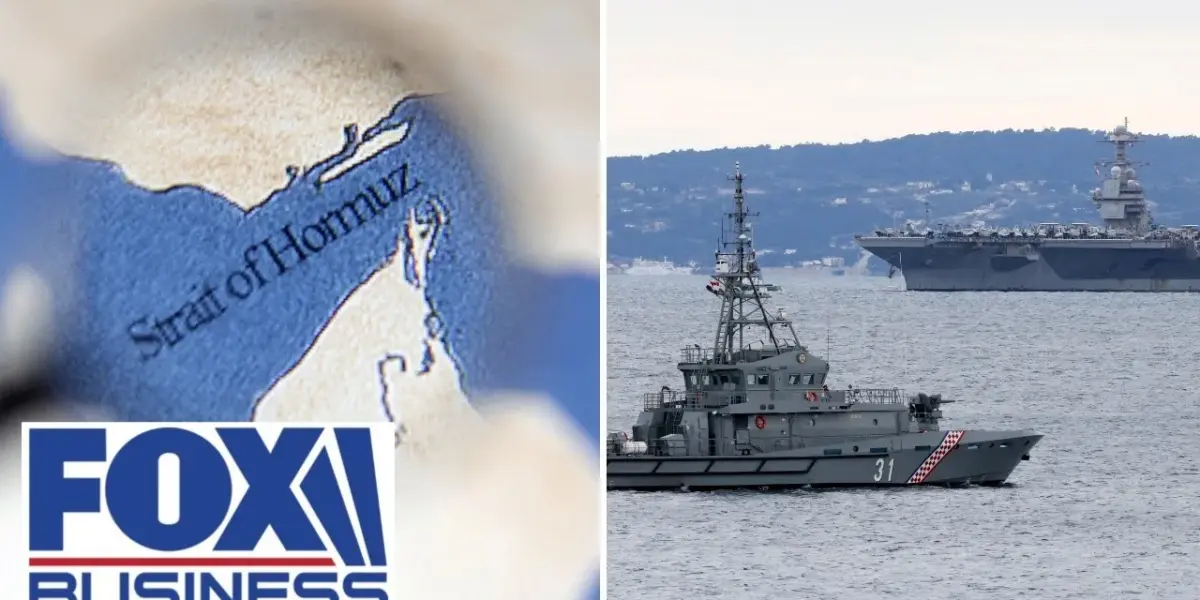
Trump’s Bold Gulf Stance Signals Economic Shift
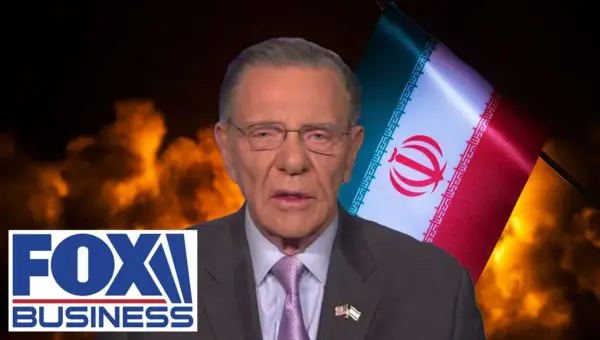
A new approach to international relations, spearheaded by former President Donald Trump, is creating significant ripples in global markets. General Keith Kellogg, a former U.S. Special Envoy for Ukraine, discussed these developments, highlighting how Trump’s negotiation style and strategic decisions are reshaping economic and geopolitical landscapes.
China Feels the Pinch of Gulf Blockade
China is identified as a major loser in the current situation unfolding in the Gulf. The economic impact on China is substantial, as the nation has been a significant buyer of Iranian oil. Reports suggest China was purchasing as much as 90% of Iran’s oil sales, often at a discounted price. This reliance makes China particularly vulnerable to any disruptions or blockades affecting Iranian oil exports.
General Kellogg explained that China, along with other nations like India, stands to lose considerably from the current economic pressures. The strategy appears to involve a targeted blockade, focusing on Iranian ports rather than broader disruptions to global fuel supplies from countries like Saudi Arabia and Qatar. This smart approach aims to isolate Iran economically without causing widespread harm to international energy markets.
“They don’t have any of the advantages. If President Trump has to go hard, he could take Kharg Island with the 82nd Airborne. We have the littoral combat ships with their ability to mine sweep as well. We’re going to clean the Straits up real well.”
Military Superiority on Display
Beyond economic factors, the situation also underscores U.S. military strength. General Kellogg pointed out that in recent conflicts, U.S. forces have successfully countered military systems supplied to Iran by both Russia and China. This military success suggests that nations relying on such equipment may need to reconsider their strategies.
The message is clear: the United States remains the preeminent superpower, and its leader possesses unparalleled negotiation skills. This perceived dominance creates a strategic advantage, leaving other nations in a weaker position. The ability to project power and enforce economic measures is a key component of this strategy.
Trump’s “Art of the Deal” in Action
The current strategy echoes the principles outlined in Donald Trump’s book, “The Art of the Deal.” This approach emphasizes a firm negotiation stance, where walking away from a bad deal is a viable option. When Vice President Vance visited the region, he reportedly adopted this assertive style, surprising counterparts and signaling a clear intent to dictate terms rather than compromise on unfavorable conditions.
This tactic aims to put pressure on other nations by demonstrating a willingness to forgo agreements that do not serve U.S. interests. The goal is to create a situation where other parties are compelled to accept terms that are more favorable to the United States. This is seen as a powerful tool in international diplomacy and trade negotiations.
Market Impact and Investor Takeaways
The assertive stance taken by the U.S. in the Gulf region has several implications for investors. Firstly, it signals a period of potential volatility in energy markets, although the targeted nature of the blockade aims to minimize broader impacts. Investors closely watching oil prices and geopolitical stability in the Middle East should remain informed.
Secondly, the emphasis on U.S. economic and military strength suggests a continued focus on policies that prioritize American interests. This could lead to shifts in global trade dynamics and investment flows. Companies with significant exposure to the Middle East or those reliant on stable energy supplies may need to assess their risks and opportunities.
Finally, the negotiation style employed suggests a less predictable, but potentially more decisive, approach to international relations. Investors should prepare for a landscape where strong stances and firm negotiations become more common, potentially leading to quicker resolutions or escalations of international disputes. Understanding the underlying economic and strategic motivations behind these actions will be crucial for navigating the evolving global market.
Key Takeaways for Investors:
- Monitor energy prices and geopolitical developments in the Middle East.
- Assess the impact of U.S. foreign policy shifts on global trade and supply chains.
- Understand the strategic negotiation tactics being employed and their potential market consequences.
- Recognize the U.S.’s position as a dominant energy power and its influence on global markets.
Source: Iran doesn’t have ‘ANY ADVANTAGES’: Gen Keith Kellogg (YouTube)

Related Articles
US Naval Blockade Forces Iran to Negotiate
The U.S. is using a naval blockade to force Iran to negotiate, targeting oil tankers to disrupt Tehran's revenue. This strategy aims to secure freedom of navigation through the Strait of Hormuz and prevent Iran from developing nuclear weapons. Investors should watch regional stability and oil prices.
Trump Ultimatum: No Deal Without Nuclear Ban
President Trump has issued an ultimatum in Iran negotiations, stating no deal will be reached if Iran pursues nuclear weapons. Meanwhile, domestic policy debates continue over DHS funding, with a reconciliation process being considered for various legislative items. Positive economic news includes a significant rise in average tax refunds, boosting consumer spending.
Judge Tosses Trump’s $10B Lawsuit Against WSJ
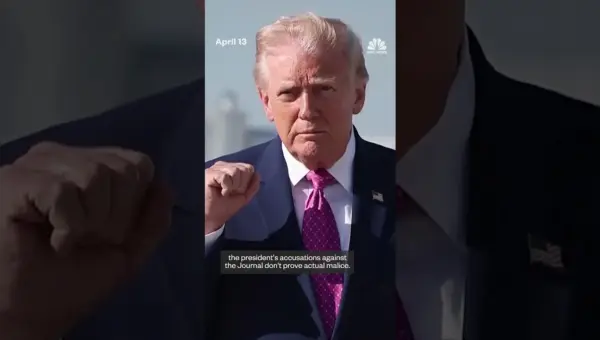
A federal judge has dismissed former President Donald Trump's $10 billion lawsuit against The Wall Street Journal. The judge ruled that Trump's team failed to prove 'actual malice' by the newspaper. Trump's legal team stated they will continue to fight against what they call 'fake news'.