Trump’s Defamation Suit Hits Major Roadblock
Donald Trump's $10 billion defamation lawsuit against the Wall Street Journal is in serious jeopardy. A federal judge found his initial complaint failed to adequately prove 'actual malice,' a key legal standard for public figures. Trump has a short deadline to fix his complaint, with a dismissal seeming likely if he cannot provide new evidence.

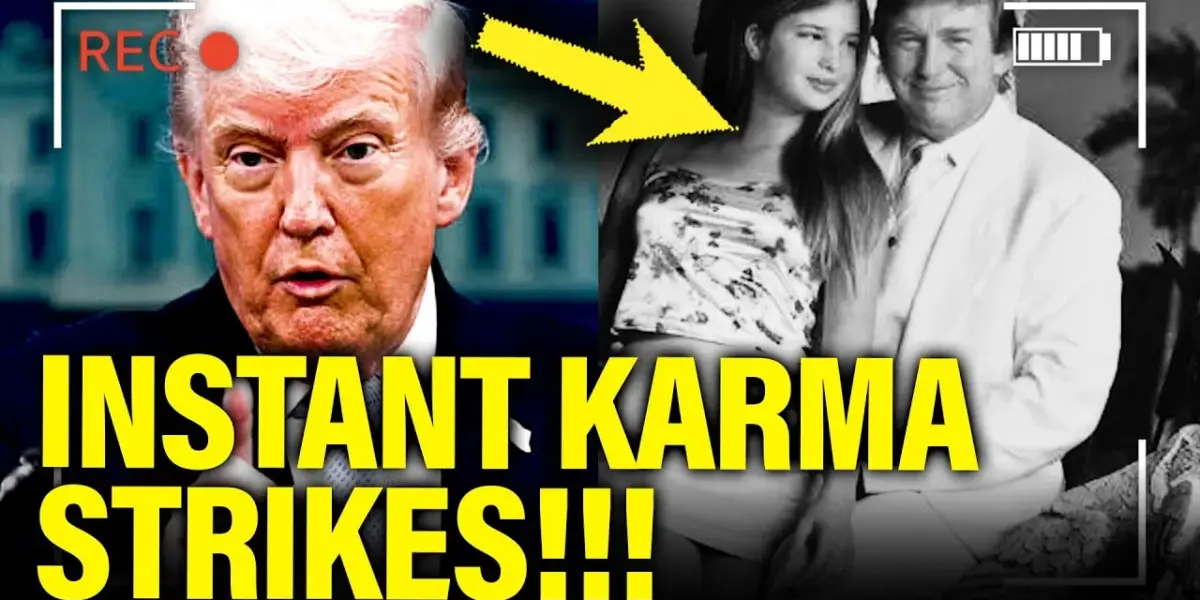
Trump’s Defamation Suit Hits Major Roadblock
A significant legal challenge for Donald Trump has hit a major snag. His $10 billion defamation lawsuit against Rupert Murdoch’s Wall Street Journal is facing serious trouble. A federal judge in Florida has given Trump a very limited time to fix his complaint, suggesting this might be his last chance.
The Core of the Legal Battle
This lawsuit started because of an article published by the Wall Street Journal. The article discussed a controversial birthday scrapbook allegedly created by Ghislaine Maxwell.
This scrapbook reportedly contained inappropriate material and signatures from various famous and powerful people, including an alleged entry linked to Donald Trump. Trump claims the article defamed him by publishing false information about this book.
What is Defamation and ‘Actual Malice’?
Defamation means harming someone’s reputation by making a false statement about them. For public figures like Donald Trump, winning a defamation case is harder. They must prove not only that the statement was false but also that the publisher acted with ‘actual malice.’ This term comes from a landmark 1960s Supreme Court case, New York Times v.
Sullivan. It means the publisher either knew the statement was false or showed a reckless disregard for whether it was true or false. Essentially, they had to have serious doubts about the truth but published it anyway.
The Judge’s Ruling
The judge, in a 17-page order, found that Trump’s initial complaint did not properly allege actual malice. The judge pointed out that Trump’s main argument was simply that he told Rupert Murdoch the story was false. The judge stated this is nowhere near enough to prove actual malice.
The article itself, the judge noted, showed that the Wall Street Journal tried to get comments from Trump, the Justice Department, and the FBI before publishing. Trump’s claim that they had contradictory evidence and failed to investigate was, according to the judge, rebutted by the article itself.
Why This Matters
This ruling is critical because it highlights the high bar public figures must clear in defamation cases. If Trump cannot provide concrete facts showing the Wall Street Journal acted with actual malice, his $10 billion lawsuit will likely be dismissed. The judge has given him only two weeks to file an amended complaint.
This short deadline suggests the judge believes it will be very difficult for Trump to find new facts to support his claim. The case is not entirely over yet, but the odds are now heavily stacked against Trump.
Historical Context: The Sullivan Standard
The actual malice standard was established in 1963 in New York Times Co. V. Sullivan. The Supreme Court ruled that public officials could not recover damages for false statements relating to their official conduct unless they proved the statement was made with ‘actual malice.’ This was intended to protect free speech and robust public debate.
The court recognized that in the heat of public discussion, some factual errors are inevitable. They decided that proving actual malice was necessary to prevent libel suits from being used to silence critics. This standard has been applied to public figures since then.
Arguments from the Defense
The Wall Street Journal’s defense team presented several arguments. First, they claimed that what they published about the birthday book was true. They pointed out that the House Oversight Committee later published the same book obtained from the Epstein estate, confirming the details.
Second, they argued that Trump’s reputation is already so damaged by his own words and actions that he cannot be further defamed. This is sometimes called ‘defamation per quod,’ where the plaintiff must show specific financial damages. The defense argued Trump could not show he lost any money because of the article, especially given his ongoing business success.
The Judge’s Next Steps
The judge has not yet decided on the request for attorney’s fees, which could be substantial. He is holding that part of the decision under advisement. However, he has essentially tossed out the current complaint.
He has given Trump until April 27th to file a new one. If Trump fails to meet the strict requirements for alleging actual malice in this new filing, the case will likely be dismissed permanently. The defense would then likely seek their attorney’s fees.
Future Outlook
It appears highly unlikely that Trump’s legal team can find new facts to meet the actual malice standard within the next two weeks. Unlike in other legal proceedings, discovery (where you gather evidence) typically comes later. In this initial stage, the complaint itself must contain sufficient factual allegations.
Without access to discovery, Trump must already possess the facts proving actual malice. This suggests the Wall Street Journal’s motion to dismiss will likely be granted with prejudice, meaning the case is over for good. This outcome would be a significant legal defeat for Donald Trump.
Source: Trump gets NIGHTMARE NEWS from EPSTEIN LAWSUIT!!!! (YouTube)

Related Articles
Trump Claims Strait Open, But Was It Ever Closed?
Donald Trump declared the Strait of Hormuz open, but critics question the actual gains given the conflict's cost. Reports from Iran contradict key claims, suggesting the strait may not have been fully closed. This situation raises concerns about accountability and the true impact of foreign policy decisions.
Trump’s Iran Deal Hypocrisy Fuels Political Firestorm
Reports suggest a potential $20 billion asset release to Iran, drawing accusations of hypocrisy against Donald Trump due to his past strong criticisms of similar deals. This controversy highlights ongoing debates about his negotiating tactics and foreign policy consistency. The situation also brings attention to broader themes of political accountability and the scrutiny of business dealings by political figures and their families.

Trump’s Base Fractures as Key Supporters Voice Doubts
Donald Trump's political base is showing signs of division as key supporters voice growing concerns about his actions and statements. Reports indicate a "shocking number" of his supporters have turned against him, particularly within the manosphere and among religious conservatives, who are questioning his leadership on issues from foreign policy to social commentary. This fracturing is impacting his ability to maintain narrative dominance and could have significant implications for future elections.