ICC Opens Hearings on Duterte’s Anti-Drug Campaign
Pre-trial hearings have begun at the International Criminal Court against former Philippine President Rodrigo Duterte over alleged crimes against humanity linked to his deadly anti-drugs campaign. Prosecutors presented evidence suggesting his responsibility for dozens of murders, while Duterte's defense team accused them of cherry-picking facts and maintained his innocence.

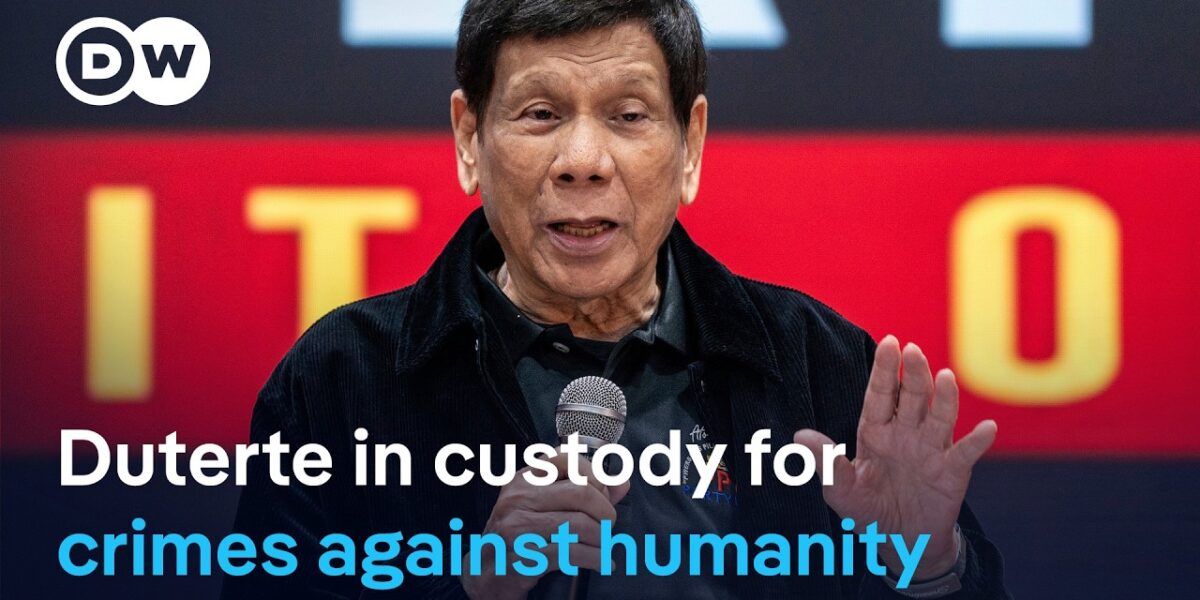
The International Criminal Court (ICC) in The Hague has commenced pre-trial hearings against former Philippine President Rodrigo Duterte, who faces three counts of crimes against humanity stemming from his notorious anti-drugs campaign. Prosecutors allege that Duterte authorized numerous killings and personally selected targets during his presidency, though he denies the charges and has waived his right to attend the proceedings.
Prosecution Outlines Case Against Former President
During the initial hearings, ICC prosecutors presented their case, asserting that there are substantial grounds to believe Duterte bears criminal responsibility for his involvement in dozens of murders. The prosecution detailed how Duterte’s broader war on drugs resulted in thousands of additional deaths, emphasizing that the charges being sought represent only a fraction of the alleged damage caused by his policies.
“They say there is substantial grounds to believe that he bears criminal responsibility for involvement in dozens of murders.”
The legal team representing Rodrigo Duterte countered the prosecution’s claims, accusing them of selectively presenting evidence. They maintained Duterte’s innocence and defended his legacy as one of law and order. Despite the gravity of the accusations, Duterte himself was absent from court, having opted to waive his right to be present. His lawyers also cited his reportedly fragile health, noting his age at 80, although court authorities have deemed him fit to stand trial should the case proceed.
A Landmark Case for Accountability and the ICC
The opening of these hearings marks a potentially landmark moment, not only for the Philippines but also for the global pursuit of accountability for powerful leaders. Rodrigo Duterte, a highly popular president during his tenure, maintains a significant level of support among Filipinos both domestically and internationally. Protests were observed outside the court, reflecting divided opinions, with some advocating for Duterte’s trial and others viewing him as a victim of political maneuvering.
Prosecutors stated that this case sends a crucial message: that even influential leaders are not exempt from the law. This development is particularly significant for the ICC, which has faced considerable scrutiny and challenges. The court’s standing has been impacted by issues such as US sanctions against some of its judges and officials, and controversial, high-profile arrest warrants, including those issued for Russian President Vladimir Putin and Israeli Prime Minister Benjamin Netanyahu.
These leaders, like Duterte, are involved in contentious situations, and the ICC’s jurisdictional reach is often debated, particularly as neither Russia nor Israel are signatories to the Rome Statute, the founding treaty of the ICC. Significantly, Duterte himself withdrew the Philippines from the ICC during his presidency. Consequently, the court’s investigation is limited to alleged crimes committed up to 2019, despite Duterte governing for several years thereafter.
If confirmed, Duterte would become the first former Asian leader to stand trial at the ICC. This case unfolds at a time when the court describes itself as facing an “existential crisis” in fulfilling its mandate to investigate and prosecute war crimes and crimes against humanity, urging greater support from its member states.
What Happens Next?
Judges now have a 60-day period to deliberate and decide whether to confirm the case for trial. Should the trial be confirmed, and if Duterte’s health permits, he would be expected to appear in the dock in The Hague. The outcome of this case could have profound implications for international justice and the principle of accountability for leaders accused of severe human rights violations.
Source: ICC opens hearings into ex-Philippines leader Duterte | DW News (YouTube)

Related Articles
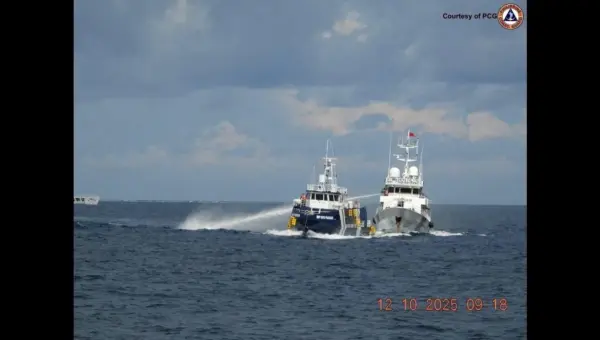
China Poisoned Sea Waters, Philippines Claims
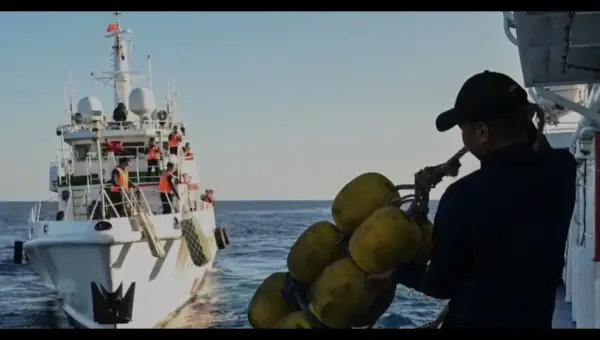
The Philippines claims China dumped cyanide near a military outpost in the South China Sea, potentially harming troops and marine life. Lab tests confirmed the toxic chemical in bottles recovered from Chinese vessels. This accusation escalates tensions in the disputed waters.
Philippines Fortifies Islands Against China’s Aggression
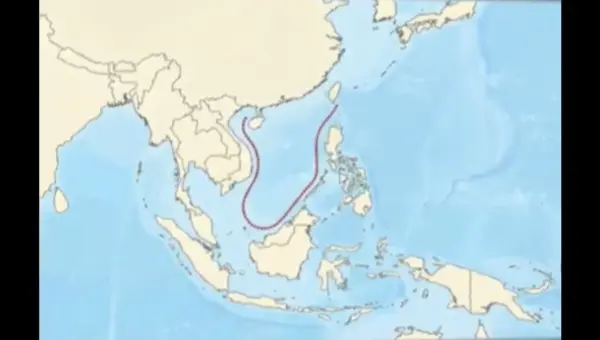
The Philippines has opened a new coast guard base on a disputed island in the South China Sea amid rising tensions with China. Shortly after the opening, Chinese forces allegedly fired warning flares at a Philippine aircraft, an act the Philippines called reckless harassment.
Philippines Fortifies South China Sea Claim with New Base
The Philippines has opened a new coast guard base in the disputed South China Sea, asserting its sovereignty amidst rising tensions. This move follows an accusation by the Philippines that Chinese forces fired flares at one of its patrol aircraft, highlighting ongoing friction in the vital waterway.