Punisher Films: A Tale of Two Misses and One Hit
A critical look back at the 2004 Thomas Jane 'The Punisher' and the 2008 Ray Stevenson 'Punisher: War Zone,' examining their cinematic merits and their place in the Marvel multiverse. One is a frustrating misfire, the other a cult classic.

Punisher Films: A Tale of Two Misses and One Hit
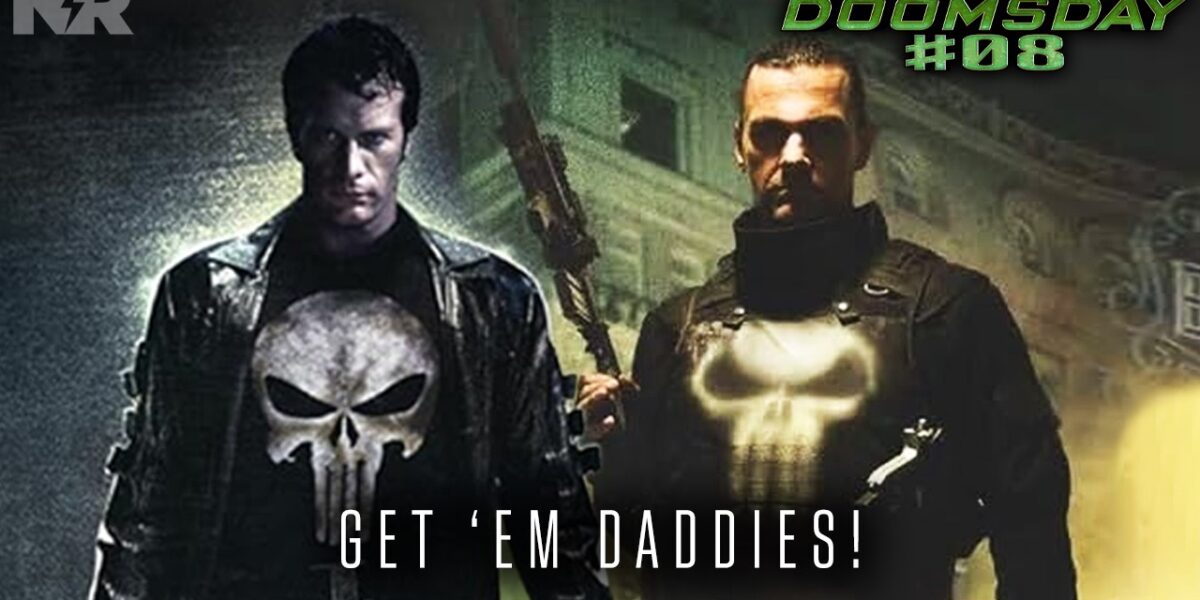
The Punisher, Marvel’s grim anti-hero, has a cinematic history as checkered as Frank Castle’s infamous skull emblem. While Jon Bernthal’s visceral portrayal on Netflix has become the definitive modern take, the road to his success was paved with two earlier film adaptations: the 2004 The Punisher starring Thomas Jane and the 2008 Punisher: War Zone featuring the late Ray Stevenson. This deep dive revisits these often-overlooked entries, ultimately arguing that while one falls flat, the other is a surprisingly fun, albeit divisive, ride.
The 2004 ‘The Punisher’: A Frustratingly Misfired Attempt
Directed by Jonathan Hensleigh, a writer behind beloved ’90s hits like Jumanji and Die Hard with a Vengeance, the 2004 The Punisher aimed for a gritty, revenge-fueled narrative. The film introduces Frank Castle (Thomas Jane) as an undercover operative whose family reunion in Puerto Rico turns into a massacre orchestrated by crime boss Howard Saint (John Travolta). This brutal event transforms Castle into the Punisher, a vigilante seeking retribution.
Despite a stacked cast featuring veterans like Roy Scheider and talented actors such as Rebecca Romijn and Ben Foster, the film struggles to find its footing. The plot, which the hosts describe as ‘Shakespearean’ in its machinations, feels convoluted and tonally inconsistent. One moment, it’s delving into graphic violence, including the shocking murder of children; the next, it’s attempting bizarre comedic beats or exploring a strange subplot involving a closeted homosexual henchman. This tonal whiplash, coupled with a sluggish pace and missteps like John Travolta’s peculiar portrayal of Howard Saint (complete with an inexplicable prop pipe), leaves the film feeling more frustrating than fulfilling.
“The movie is boring,” one host declares, a sentiment echoed by the assessment that “all the pieces are there to make it work, but… it doesn’t.” The film’s visual identity also falters; despite being shot in Tampa to save budget, it fails to establish a strong sense of place. Even Thomas Jane, a capable actor, is hampered by an opening that presents a less-than-compelling version of Frank Castle, with a strange accent and an unconvincing disguise. The elaborate revenge plot, involving fake fire hydrants and voice changers, feels more like a convoluted heist than the direct, brutal justice associated with the Punisher.
The film’s box office performance reflected its critical reception, failing to make a significant impact. While it’s technically part of the MCU multiverse (Earth-58732), its legacy is largely one of missed potential, overshadowed by the immense success of other Marvel properties that came later.
‘Punisher: War Zone’ (2008): A Gloriously Over-the-Top Cult Gem
In stark contrast to the ponderous 2004 film, 2008’s Punisher: War Zone, starring the late Ray Stevenson, is celebrated for its unapologetic embrace of over-the-top violence and its distinctive visual style. Directed by Lexi Alexander, the film dives headfirst into the R-rated thrills that fans of the character crave.
Stevenson embodies a Punisher who is less about intricate schemes and more about pure, unadulterated punishment. The film doesn’t shy away from its comic book roots, presenting a hyper-stylized world filled with colorful villains and brutal, often comical, action sequences. The introduction of the flamboyant and terrifying Jigsaw (played by an unrecognizable Doug Hutchison) and his equally deranged brother, Loony Bin Jim (played by another wrestler, Kevin Nash, reprising his role as ‘The Russian’ from the 2004 film, albeit with a different character name), amplifies the film’s gonzo aesthetic.
“War Zone, I’m like, that’s a fun one,” one of the hosts exclaims, advocating for a “full-throated defense” of the film. Unlike its predecessor, War Zone is lauded for its clarity of vision and its commitment to delivering a visceral, high-octane experience. The action is kinetic, the gore is plentiful, and the overall tone is that of a dark, violent fairy tale. While it may not have achieved blockbuster success, its dedicated cult following testifies to its effectiveness as a pure action spectacle.
The film’s bold choices, including its vibrant cinematography and its willingness to push the boundaries of on-screen violence, have cemented its status as a cult classic. It’s a film that knows what it is and leans into it unapologetically, making it a far more rewarding watch for those seeking the essence of the Punisher’s brutal crusade.
Canon and the Multiverse: A Fifth Punisher?
Both The Punisher (2004) and Punisher: War Zone (2008) are officially recognized as part of the Marvel Cinematic Universe’s multiverse. The 2004 film exists on Earth-58732, while War Zone is on Earth-47281. The 1989 Dolph Lundgren The Punisher is also technically canon, though it was produced independently. This multi-Punisher reality is even referenced in the upcoming Deadpool & Wolverine, where Deadpool quips about there being “like five of them.” This line hints at the existence of a mysterious fifth Punisher, adding another layer of intrigue to the character’s expansive cinematic lore.
While Thomas Jane has expressed little interest in returning and Ray Stevenson is sadly deceased, the possibility of other Punisher variants, or even a cameo from Dolph Lundgren, remains open within the vast multiverse. For now, fans can revisit these two distinct cinematic interpretations, one a cautionary tale of ambition gone awry, the other a gloriously unhinged celebration of comic book violence.
Source: PUNISHER MOVIES REVISITED (2004 + 2008) | Road to Doomsday Episode 8 (YouTube)

Related Articles

Vanessa Fisk Dies, Kingpin Unleashed in Daredevil Episode 5
Vanessa Fisk tragically dies in "The Grand Design," the fifth episode of Daredevil: Born Again season 2. Her death unleashes a vengeful Kingpin, while flashbacks explore the 'grand design' of emotional choices that shape the MCU.

Vanessa’s Fate Revealed in Daredevil’s Shocking Episode!
Vanessa Fisk's fate is revealed in the latest shocking episode of Daredevil: Born Again. The installment delves into character backstories, explores themes of destiny, and leaves fans questioning the grand design behind the unfolding events.

Spider-Man’s New Era: Emotional Depth and Shocking Revelations Emerge
Sony's CinemaCon presentation unveiled exclusive footage for 'Spider-Man: Brand New Day,' hinting at a more emotional and mature story for Peter Parker. The scene reveals Peter's isolated life post-'No Way Home,' his friend Ned's investigation into Spider-Man's identity, and MJ's rejection of a mysterious corporation, sparking theories about new villains and plot twists.