Starship Construction Accelerates Amidst Pad Upgrades
SpaceX's Starbase is buzzing with activity as Starship construction accelerates and launch pads undergo significant upgrades. Booster 19 is nearing completion, while Pad 1 and Pad 2 are being modernized. Meanwhile, NASA faces communication loss with the MAVEN spacecraft at Mars, and Starlink addresses a satellite anomaly.

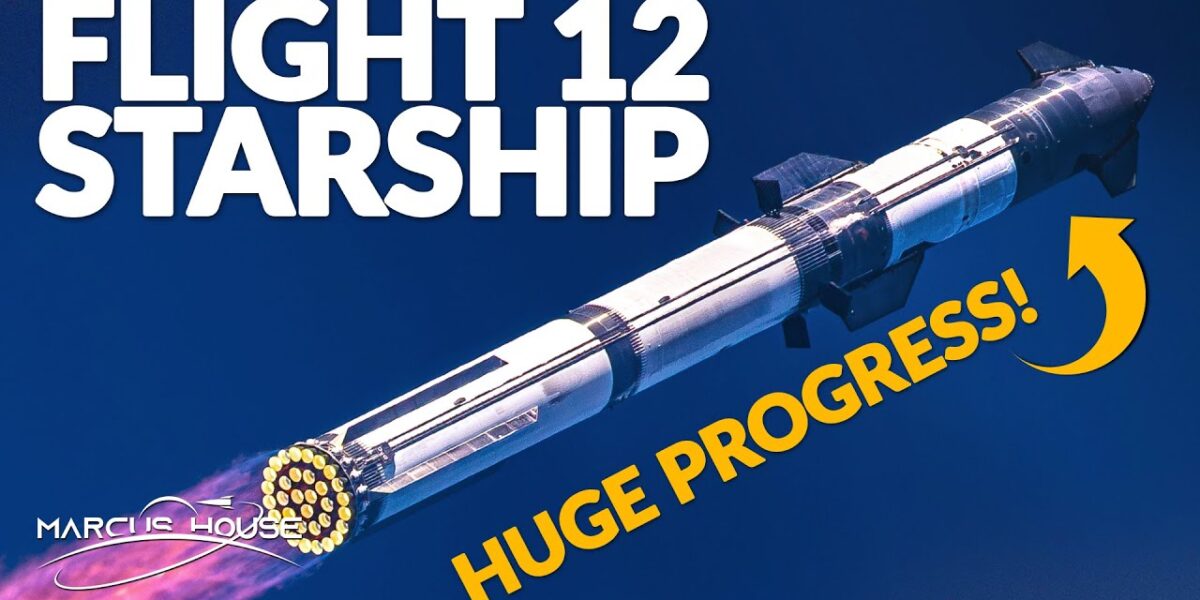
Starship Construction Accelerates Amidst Pad Upgrades
The SpaceX Starbase facility is a hive of activity, with rapid advancements in Starship vehicle construction and significant upgrades underway at its launch pads. Recent observations reveal a dramatic overhaul of Launch Pad 1, including the removal of the water-cooled steel plate designed to withstand the immense heat and pressure of 33 Raptor engines. This massive component, along with three large water storage tanks from the deluge farm and a tank supplying the booster’s fire suppression system, have been dismantled and transported away. The excavation of the area beneath the pad is now proceeding, with crews working to clear rebar and central piles.
Pad 2 Undergoing Deeper Modifications
Meanwhile, Launch Pad 2 is also undergoing substantial modifications. The removal of actuators from its tower arms, which initially surprised observers, now appears to be part of a larger upgrade. New arm pieces have been delivered, suggesting potential installations of larger actuators or the implementation of solutions for issues identified during earlier testing phases. The mishap with Booster 18 may have inadvertently provided SpaceX with valuable time to integrate these changes. Furthermore, four old control boxes on the tower carriage have been replaced with five new ones, indicating an enhancement of the system’s capabilities. The Air Separation Site is also seeing significant progress, with new compressor equipment, including large three-phase induction motors, being staged for installation. Concrete foundations are being prepared to support the liquefaction and purification equipment.
Booster 19 Assembly Progresses Swiftly
At the Build Site, the construction of new Starship vehicles is moving at an impressive pace. Following the arrival of the liquid oxygen side tank for Version 3 Booster 19, the final aft section of its main liquid oxygen tank has been assembled. This complex segment, destined to house 33 Raptor 3 engines, has rolled into the Megabay. While it appears slightly less complete than Booster 18 was at a similar stage, missing some hardware in the strake areas—potentially linked to the ongoing investigation of Booster 18’s anomaly—this can be outfitted later. With the aft sections of the oxygen tank complete, SpaceX is poised to move the assembly to a new stand to begin stacking the shorter liquid methane tank sections. The first section of the methane tank, the middle barrel, has already been rolled out, followed by the forward section equipped with the integrated hot stage truss. The final methane tank section is expected imminently, with Booster 19 anticipated to be fully stacked soon.
Ship 39 Construction and COPV Replacements
In Megabay 2, Version 3 Ship 39 has been moved to a temporary stand to allow for the installation of its raceways on the central work stand. Another Version 3 ship is also being worked on, with its intricate network of sensors, pipes, and wires being carefully installed. This process highlights the significant design alterations between the Version 2 and Version 3 Starship configurations. A notable development involves the apparent replacement of the entire set of COPVs (Composite Overwrapped Pressure Vessels) in the nosecone of Ship 39. This cautious approach may be a response to issues encountered with Booster 18, although the exact cause of that anomaly remains under investigation. The Gigabay structure is also nearing completion, with its openings reaching full height and internal walkways being installed.
Pad Upgrades and Testing Developments
Further pad upgrades are evident with the installation of the end piece of the ship’s quick disconnect arm at Pad 2, which includes a crucial interface for raising and lowering the ship. The first next-generation ship transport stand has been assembled and moved for clamp installation, with work already beginning on the second stand. The booster stand is also receiving upgrades to support next-generation boosters. In the testing arena, new steel trusses have been constructed, potentially for the Ship Static Fire Station at Masseys. These appear similar to structures at Sanchez and incorporate new gusset plates. Speculation suggests these might be related to testing docking adapters or providing access to hatches. Additionally, a large quantity of Hesco barriers has been deployed, possibly indicating preparations for further testing in an area previously used for a burst pad, potentially involving liquid nitrogen. The Methane Tank Farm’s blast wall is now complete, and preparations are underway for the first Version 3 Ship static fire. Cleanup from Booster 18’s destruction is ongoing, with components, including COPVs, being retained for investigation. The booster cryo stand appears undamaged, suggesting it may be ready for Booster 19’s test campaign.
Lunar Ambitions and Starlink Anomaly
In broader space news, Jared Isaacman has officially been appointed NASA Administrator, ushering in an executive order titled “Ensuring American Space Superiority.” This order outlines ambitious goals, including human lunar landings by 2028, the establishment of a lunar base by 2030 with a nuclear reactor, and the development of a commercial successor to the International Space Station. Isaacman plans to donate his salary to the U.S. Space & Rocket Center’s Space Camp. Falcon 9 continues its busy launch schedule with multiple Starlink missions. However, one Starlink satellite experienced an anomaly, venting propellant and rapidly decaying its orbit, leading to a loss of communication. This incident highlights the growing challenges of space traffic management as more satellites are deployed into low Earth orbit. The VP of Starlink Engineering noted a near-miss incident involving satellites deployed from China, underscoring the critical need for better coordination among satellite operators.
Blue Origin and Amazon Leo Progress
Blue Origin is making strides with its BE-7 engine for the Blue Moon MK1 lunar lander, having completed acceptance testing. The company also has a fourth New Glenn second stage ready for launch, which will carry the NRO Responsive Space Mission. Amazon’s Project Kuiper satellite constellation is expanding, with a successful launch aboard an Atlas V rocket. Rocket Lab has had a busy week, launching two Electron rockets, one carrying the Neonsat-1A satellite and another with four experimental DiskSats for the U.S. Space Force. Progress on Rocket Lab’s Neutron rocket is also advancing, with its “Hungry Hippo” fairings completing qualification testing.
Orbital Servicing and MAVEN’s Silence
Starfish Space announced its secretive Remora mission, where its navigation and control software enabled a spacecraft to approach another within 1.25 kilometers. This development, along with Starfish’s Otter pup 2 mission aiming for the first commercial satellite docking, signals advancements in orbital servicing capabilities. NASA’s MAVEN spacecraft orbiting Mars has fallen silent. Lost contact since December 4th, a brief fragment of data suggested the spacecraft was rotating unexpectedly. The potential loss of MAVEN is a significant blow, as it plays a crucial role in supporting NASA’s Perseverance and Curiosity rovers. While researchers continue to investigate, the mission, which arrived at Mars in 2014 and revolutionized understanding of its atmosphere, may be nearing its end.
Source: Flight 12 Starship: Record Super Heavy Build Time! (YouTube)

Related Articles

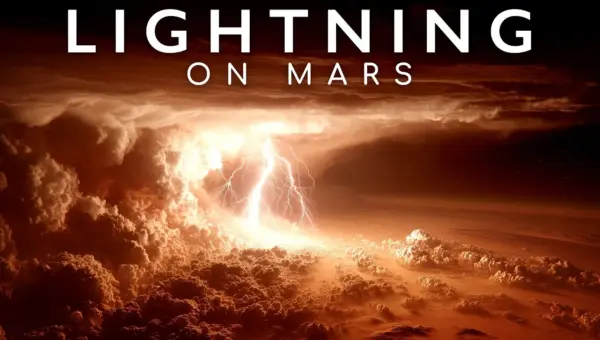
Mars Rover Detects Mysterious Lightning Signals
NASA's Perseverance rover has detected mysterious crackling sounds, providing the first tantalizing evidence of lightning on Mars. This discovery, along with a faint whistler wave detected by the MAVEN spacecraft, suggests that electrical discharges occur in Martian dust storms, impacting atmospheric chemistry and posing new challenges for future human exploration.


SpaceX IPO Could Reach $2 Trillion Valuation
SpaceX is reportedly preparing for an IPO that could value the company at $2 trillion, driven by its advancements in AI and satellite internet. The company's innovative approach to space travel and its vision for orbital data centers position it as a major player in the tech landscape.
NASA Aims for Moon Base, Eyes Mars After Artemis 2 Success
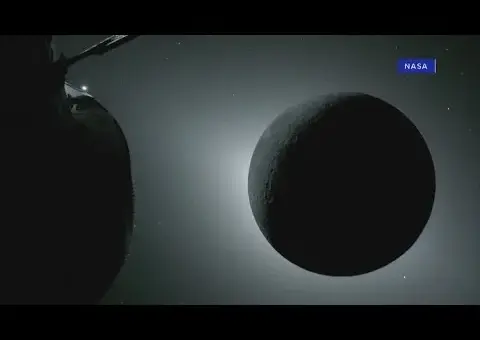
NASA's Artemis 2 mission successfully returned astronauts to Earth, paving the way for a permanent Moon base and future Mars missions. The program faces challenges like meteoroid impacts and radiation, requiring innovative habitat designs. International collaboration is key to this ambitious lunar future.