American Optimism Plummets to All-Time Low, Gallup Survey Reveals
A recent Gallup survey indicates that American optimism for a high quality of life in the future has reached an all-time low, even falling below levels recorded during the peak of the COVID-19 pandemic. Only about 60% of Americans now anticipate a high quality of life, a 9-point drop from pandemic highs, signaling a profound shift in national sentiment driven by complex factors including political climate, economic anxieties, and societal divisions.

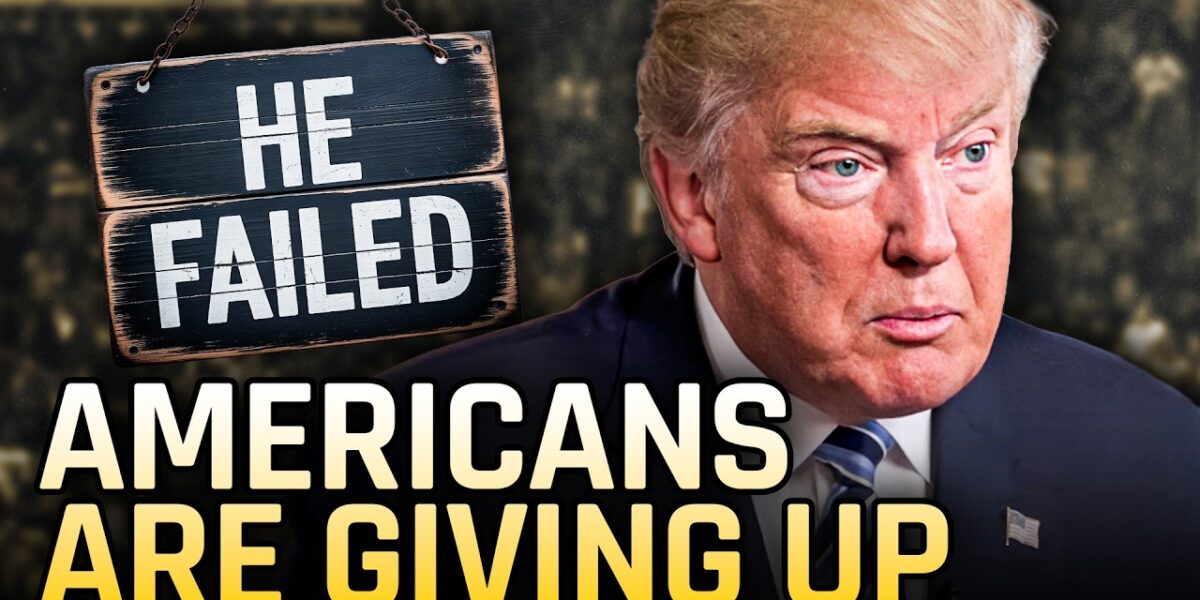
American Optimism Plummets to All-Time Low, Gallup Survey Reveals
A recent Gallup survey has unveiled a stark decline in American optimism, reporting that the percentage of Americans anticipating a high quality of life in the future has reached an all-time low in the survey’s two-decade history. This downturn in public sentiment is particularly striking as it indicates a lower level of hope for the future than was observed even during the peak of the COVID-19 pandemic.
The findings paint a picture of a nation grappling with a pervasive sense of pessimism, prompting questions about the underlying factors contributing to this significant shift in national mood. While the pandemic presented unprecedented challenges, the current environment, free from widespread lockdowns and daily death tolls, paradoxically sees a more pessimistic populace.
The Alarming Numbers: A Deeper Dive into Gallup’s Findings
According to the Gallup survey, approximately 60% of Americans now express an anticipation of a high quality of life in the future. While this still represents a majority, it marks the lowest point recorded since Gallup began tracking this metric around 20 years ago. This figure stands in sharp contrast to the height of the COVID-19 pandemic, when optimism for a high quality of life was approximately 9 percentage points higher.
The survey specifically measures the proportion of adults who believe they will have a “high quality of life” in the future. The dip to around 60% signifies not just a minor fluctuation, but a significant erosion of long-term positive outlook among the American populace. This sustained decline suggests a more fundamental shift in how Americans perceive their prospects and the nation’s trajectory.
The implications of such widespread pessimism are profound. National optimism is often considered a barometer of societal health, influencing everything from consumer confidence and economic activity to civic engagement and mental well-being. A population that increasingly loses hope in its future may be less likely to invest, innovate, or participate actively in democratic processes, potentially exacerbating existing challenges.
A Stark Contrast: Optimism During a Global Pandemic
One of the most perplexing aspects of the survey’s findings is the comparison to the COVID-19 era. During a period characterized by widespread illness, death, economic shutdowns, social isolation, and immense uncertainty, Americans reportedly held a more optimistic view of their future quality of life. This paradox invites considerable analysis.
Several factors might explain this counterintuitive trend:
- Hope for Change and Political Action: The original commentary accompanying the poll suggests that the pandemic coincided with a major election year. The prospect of a change in political leadership, and thus a perceived opportunity to steer the country in a new direction, may have fueled a sense of hope and agency among voters. The belief that collective action at the ballot box could lead to an improved future might have outweighed the immediate despair of the pandemic.
- Collective Resilience and Unity: During crises, societies often experience a surge in collective resilience and a sense of shared purpose. The initial phases of the pandemic saw communities coming together, frontline workers lauded, and a global effort towards vaccine development. This unified response, coupled with the promise of scientific breakthroughs, may have fostered a belief that challenges, however severe, could be overcome.
- Government Intervention and Support: Extensive government stimulus packages, unemployment benefits, and other relief measures during the pandemic might have provided a temporary buffer against economic anxieties, giving some a sense of security and hope for recovery.
- The “Light at the End of the Tunnel” Narrative: As vaccines became a reality, there was a widespread narrative of an impending return to normalcy. This forward-looking hope, even amidst ongoing difficulties, could have sustained optimism.
Shifting Tides: Explaining Today’s Pessimism
Today, with the immediate health crisis of COVID-19 largely receding, the factors driving current pessimism are likely more complex and multifaceted. The original commentary attributes this decline directly to the perceived impact of Donald Trump’s presidency on the country, suggesting that his leadership has fostered a sense of resignation and hopelessness.
While political leadership undoubtedly plays a significant role in shaping national mood, a comprehensive understanding requires considering a broader array of interconnected issues:
- Economic Anxieties: Despite a strong job market, many Americans face persistent economic challenges. High inflation has eroded purchasing power, housing costs continue to soar, and the burden of student loan debt remains a significant concern. The perception that economic stability is increasingly out of reach for many can deeply impact optimism for a high quality of life.
- Political Polarization and Division: The current political landscape is marked by deep partisan divides, intense ideological conflicts, and a pervasive sense of gridlock. This constant state of political tension can breed cynicism, making it difficult for citizens to believe in the government’s ability to address critical issues or for society to move forward constructively.
- Global Instability: Ongoing international conflicts, geopolitical tensions, and global economic uncertainties contribute to a sense of unease. From the war in Ukraine to tensions in the Middle East, a volatile world stage can dampen domestic optimism.
- Social and Cultural Issues: Debates over fundamental social issues, cultural shifts, and concerns about crime, healthcare access, and environmental challenges can also contribute to a feeling that the country is headed in the wrong direction.
- Lingering Post-Pandemic Effects: While the pandemic’s acute phase has passed, its long-term effects on mental health, social cohesion, and work-life balance continue to ripple through society, potentially contributing to a generalized sense of fatigue and disillusionment.
The Weight of Political Leadership and the Search for Agency
The commentary from the transcript heavily emphasizes the role of political leadership, particularly the current political climate, in shaping public optimism. The argument posits that during an election year (like 2020), even amidst a crisis, the presence of an upcoming opportunity for democratic change can provide a powerful antidote to despair. The ability to vote and potentially alter the course of the nation offers a sense of agency and hope.
In contrast, when citizens perceive limited avenues for immediate change, or when they feel that current leadership is detrimental to the country’s future, a sense of helplessness can set in. This feeling of powerlessness, where individual or collective action seems insufficient to alter a negative trajectory, can be a significant driver of declining optimism. The belief that one’s efforts can make a difference is crucial for maintaining hope, and when that belief wanes, so too does optimism.
Beyond the Numbers: Implications of Declining Hope
A sustained decline in national optimism has far-reaching implications. It can affect:
- Mental Health: Chronic pessimism can contribute to increased rates of anxiety, depression, and stress across the population.
- Economic Behavior: Reduced optimism can lead to decreased consumer spending, investment, and entrepreneurial activity, potentially slowing economic growth.
- Civic Engagement: A lack of hope can translate into political apathy, lower voter turnout, and diminished participation in community initiatives, weakening democratic institutions.
- Social Cohesion: When people lose faith in the future, it can erode trust in institutions and fellow citizens, making it harder to address collective challenges.
A Call for Resilience and Collective Action
Despite the bleak outlook presented by the Gallup survey, the inherent capacity for human and societal resilience remains a crucial counterpoint. The commentary, while acknowledging the current despondency, also includes a call to persevere. It suggests that even in the face of dwindling optimism, the willingness to fight for a better future, to band together, and to actively work towards change, can eventually restore hope.
History shows that periods of low public morale are often followed by renewed efforts towards societal improvement. The challenge lies in translating widespread concern into constructive action, fostering a sense of collective efficacy, and rebuilding trust in institutions and the future itself. The path to restoring American optimism will likely require addressing the multifaceted economic, political, and social anxieties that currently weigh heavily on the national psyche.
Conclusion
The Gallup survey revealing an all-time low in American optimism for a high quality of life marks a significant moment in the nation’s ongoing self-assessment. The paradox of greater hope during a pandemic compared to the current, less acutely crisis-ridden environment, underscores the complex interplay of political leadership, economic conditions, social cohesion, and global events in shaping public sentiment. While the reasons for this decline are debated, the imperative to understand and address the sources of national pessimism remains critical for the future well-being of the United States.
Source: Americans GIVE UP Thanks To Trump (YouTube)

Related Articles

Markets Surge as Iran Ceasefire Sparks Oil Plunge
Stock markets surged following a ceasefire announcement with Iran, leading to a sharp drop in oil prices. While natural gas remains stable, the U.S. economy shows resilience with job growth and positive economic indicators. Meanwhile, New York City faces a significant budget deficit and proposed tax hikes.
Bull Market Deserves Doubt, Says Wealth CIO
Truist Wealth CIO Keith maintains that the current bull market deserves the benefit of the doubt, citing record corporate profits and resilience through economic challenges. Key sectors like materials, industrials, and technology show strong potential despite investor anxiety.

Oil Prices Peak? Asian Economies Scramble Amid Supply Snarls
Asian economies are scrambling for oil amid supply disruptions, pushing spot prices near $150 a barrel. However, futures markets suggest this spike may be temporary, with government actions and a strong supply-side economy offering potential relief.