ROG Ally X: A Windows Handheld With Xbox Ambitions
The ROG Ally X brings powerful PC gaming to a handheld form factor with an Xbox-inspired interface. While impressive, its Windows foundation and $1,000 price tag create a niche for enthusiasts rather than mass-market appeal.

ROG Ally X: A Windows Handheld With Xbox Ambitions
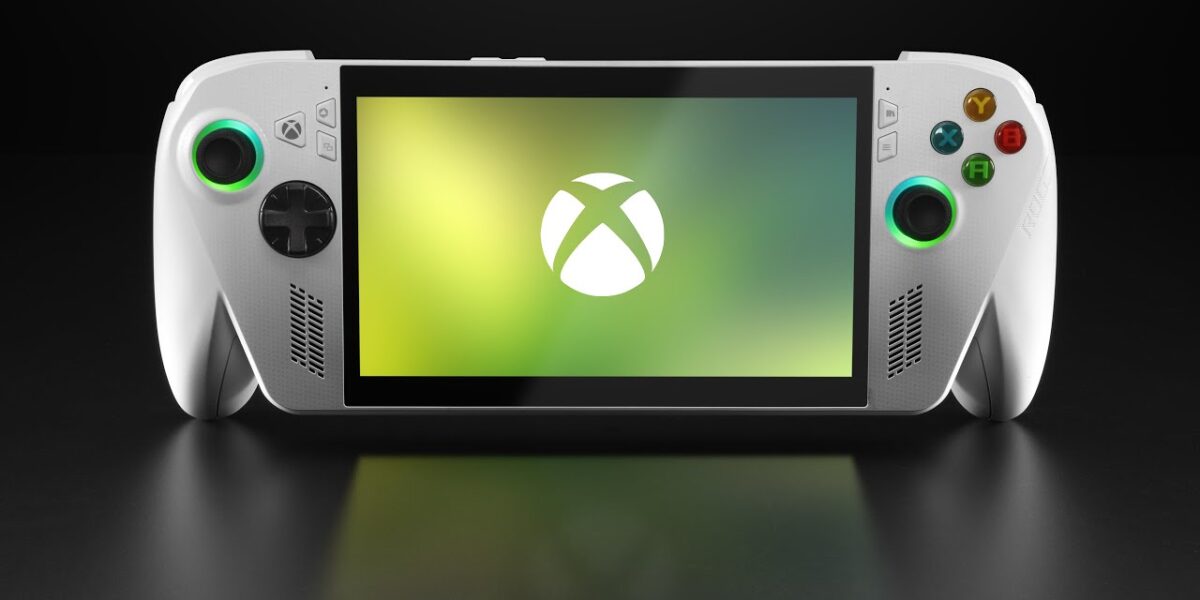
The landscape of handheld gaming PCs has a new contender, and it arrives with the iconic Xbox branding. ASUS’s ROG Ally X and its predecessor, the ROG Ally, aim to blend the familiarity of Windows with the gaming prowess expected from an Xbox device.
However, this potent combination comes with a complex set of expectations, particularly around user experience and pricing. After extensive testing, it’s clear that while these devices offer impressive gaming capabilities, the Xbox branding introduces a unique set of challenges and opportunities.
The Windows Conundrum
Upon first boot, the ROG Ally devices present a decidedly Windows 11 experience. While a custom, full-screen Xbox UI is designed to streamline the gaming experience and save system resources (approximately 1-1.5 GB of RAM in testing), the underlying Windows foundation is ever-present. This custom UI, reminiscent of the Xbox console interface, allows for quick access to installed games, including those from Steam, GOG, and Epic Games, all unified under a single library with clear source icons.
The ability to seamlessly switch between games and applications using a long-press of the Xbox button, akin to Alt-Tabbing on a PC, is a standout feature. Closing applications is also remarkably swift, with a simple button press instantly terminating processes without confirmation prompts.
However, this Windows integration isn’t without its quirks. Users accustomed to a pure console experience might find the initial setup prompts and the occasional glitches, such as controller focus loss after exiting a Steam game, frustrating. While many of these issues can be resolved with a bit of user intervention, they detract from the effortless, casual-friendly experience that the Xbox branding implies.
The need to manage updates across both Windows and ASUS’s Armory Crate software can be a confusing dual-layer system that may elude less tech-savvy users. The default Windows lock screen and pre-installed Microsoft applications like Teams and OneDrive also feel out of place on a device marketed as an Xbox product.
Ergonomics and Controls Evolved
Where the ROG Ally X truly shines is in its control and ergonomics. ASUS has refined nearly every aspect of the physical controls. The joysticks are slightly taller with improved grip, the D-pad feels precise, and the buttons and triggers offer a satisfying tactile response.
The most significant improvement, however, lies in the overall ergonomics. While the initial visual of the ROG Ally X might be polarizing, its design proves to be exceptionally comfortable for extended gaming sessions, even surpassing the ergonomics of the Steam Deck for some users. Despite being heavier than the Steam Deck, the comfort level remains high even after prolonged use.
Performance: A Tale of Two Chips
The ROG Ally lineup offers two distinct performance tiers. The standard ROG Ally, featuring the Z2A chip with Zen 2 architecture, delivers performance comparable to the Steam Deck, with a slight edge at the higher end. ASUS markets this model for 720p gaming.
The more powerful ROG Ally X, equipped with the Z2 Extreme chip and Zen 5 architecture, is positioned for 1080p gaming. This higher-end model excels particularly at lower wattages, where its efficiency is a significant advantage over its predecessor. While both devices are capable of running many AAA titles, some demanding games may struggle even at 720p on the Z2A chip.
Both units are remarkably quiet during gameplay, with the Ally X running slightly warmer and louder due to its more powerful components. Battery life is also a strong point, with the Ally X boasting an 80Wh battery compared to the standard Ally’s 60Wh.
Internally, both devices feature full-size NVMe SSDs and similar cooling solutions, with the display remaining unchanged from the previous generation – a good, though not OLED, panel with noticeable bezels. The USB-C port on the Ally X supports USB4, enabling the use of external GPUs for a significant performance boost, albeit at a considerable cost.
The Price of Ambition
The pricing of the ROG Ally devices has been a significant point of discussion. The base model starts at $600, while the ROG Ally X is priced at a considerable $1,000. This pricing strategy deviates from the common perception of Xbox products being more mass-market accessible and potentially subsidized.
Unlike consoles that often benefit from Microsoft’s ecosystem strategy, these handhelds appear to be priced without significant subsidies. This positions them directly against other high-end Windows handhelds, where the Ally X’s $1,000 price tag, while competitive with some premium options like the Legion series, still represents a substantial investment.
Despite the high cost, the ROG Ally X has seen immense popularity, with pre-orders selling out almost instantly and backorders extending to November. This suggests a strong market for enthusiast-grade Windows handhelds, even at premium price points.
The reviewer posits that the $1,000 Ally X is likely targeted at experienced enthusiasts who understand the product’s capabilities and limitations. The $600 model, however, might face a higher return rate due to potential unmet expectations from users drawn in by the Xbox branding but unprepared for the Windows ecosystem’s complexities.
Verdict: A Powerful Handheld, But Is It the Right Xbox?
The ROG Ally X is undeniably a powerful and refined Windows gaming handheld. Its improved ergonomics, excellent controls, and strong performance make it a compelling option for PC gamers on the go. The custom Xbox UI offers a glimpse into a more streamlined experience, and the seamless integration of various game libraries is a significant plus.
However, the persistent Windows foundation, with its inherent quirks and update management complexities, creates a divide between the device’s potential and the user experience expected from an Xbox product. For the enthusiast who understands the underlying technology and is willing to navigate its intricacies, the ROG Ally X offers a premium portable PC gaming experience. For those expecting a plug-and-play, console-like simplicity associated with the Xbox name, the current implementation may fall short, leading to potential disappointment.
Specs & Key Features
- Processor: ROG Ally (Z2A, Zen 2 architecture); ROG Ally X (Z2 Extreme, Zen 5 architecture)
- RAM: 16GB (both models)
- Storage: NVMe SSD (size varies by configuration)
- Display: 7-inch, non-OLED, 1080p (marketed for 720p/1080p gaming depending on model)
- Operating System: Custom Windows 11 with full-screen Xbox UI
- Battery: ROG Ally (60Wh); ROG Ally X (80Wh)
- Connectivity: USB-C (USB4 on Ally X supporting eGPUs)
- Bundled Software: 3 months of Xbox Game Pass Premium
Availability and Pricing
- ROG Ally (Base Model): Starts at $600
- ROG Ally X: $1,000
- Availability: ROG Ally X pre-orders sold out rapidly, backordered until mid-November.
Source: ROG XBOX Ally X Review (YouTube)

Related Articles


Xbox Hints at Cheaper Game Pass Tiers
Xbox might be preparing to lower the price of its popular Game Pass subscription service. A leaked memo suggests new CEO Ashes Chararma is looking to make the service more affordable for players. This could mean changes to pricing tiers and how major games like Call of Duty are offered.


Xbox Hints at Next-Gen Console with Mystery Box
A mysterious package from Xbox, containing branded merchandise, has fueled speculation about the next-generation console. A subtle hint within the unboxing, reading 'Xbox 720 coming soon,' suggests that development is underway and a reveal may be on the horizon.


Next-Gen Consoles Could Top $1000: Gaming’s Price Problem
The next generation of gaming consoles could see prices soar, with rumors suggesting the next Xbox might cost $1,000. This, combined with rising game prices and industry layoffs, paints a concerning picture for the affordability of gaming.