Senator Murphy: Iran War a ‘Disaster of Epic Proportions’
Senator Chris Murphy decried the ongoing conflict with Iran as a "disaster of epic proportions," citing a lack of clear objectives, constitutional overreach, and significant economic fallout. Eight U.S. service members have died, and gas prices have surged, leading to calls for immediate congressional action and transparency from the administration.

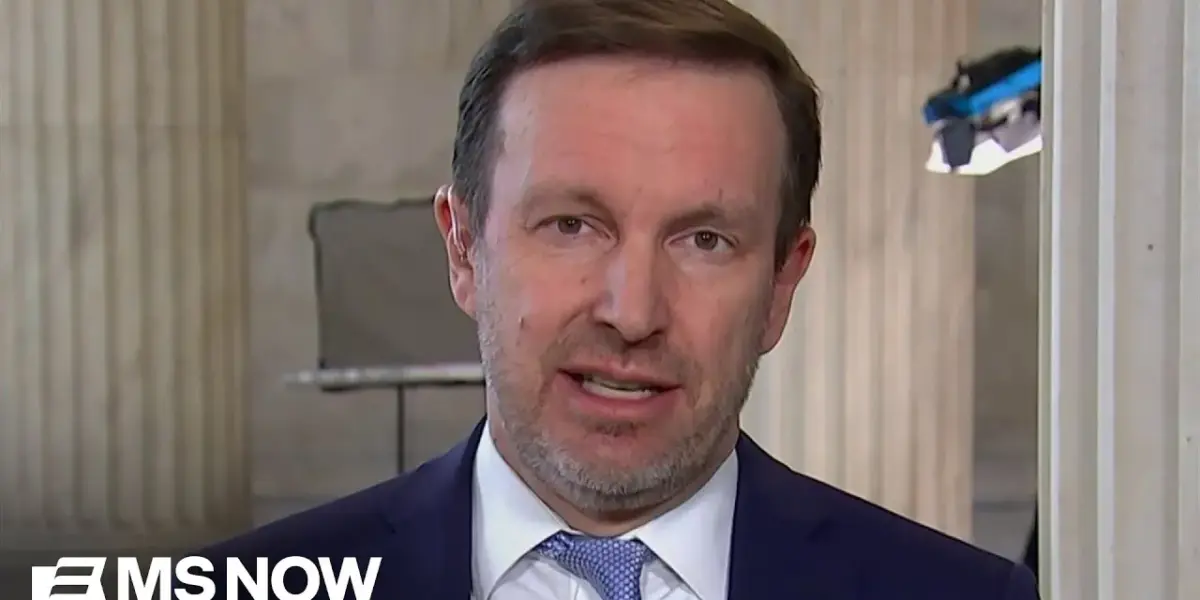
Senator Slams ‘Incoherent’ Iran War as Casualties Mount
Washington D.C. – On the tenth day of a conflict with Iran, U.S. Senator Chris Murphy has sharply criticized the Trump administration’s military engagement, labeling it a “disaster of epic proportions” that lacks clear objectives and constitutional authorization. The war has already resulted in the deaths of eight American service members and left 140 injured, according to Pentagon figures. The conflict’s economic repercussions are also being felt acutely at home, with the average price of gasoline soaring to $3.54 per gallon, a significant jump since the war’s inception.
Lack of Clarity and Constitutional Overreach
Senator Murphy, speaking after a classified briefing on the war, described the administration’s strategy as “totally incoherent.” He highlighted a glaring inconsistency: the Department of Defense informed lawmakers that dismantling Iran’s nuclear program is not an objective of the current military mission, directly contradicting public statements made by other administration officials. “Every single hour, the objectives that they state publicly and privately for this war change,” Murphy stated, highlighting the confusion surrounding the war’s purpose.
The Senator emphasized that the Constitution clearly designates Congress as the body responsible for authorizing acts of war. “If the president did what the Constitution says, come to Congress to get authorization for this war, he wouldn’t get it,” Murphy asserted.
He believes that if Congress were to hold public hearings and vote on the matter, the American people would demand their representatives vote against the conflict, regardless of party affiliation. “The American people would demand that their member of Congress, their senator, whether they be a Republican or Democrat, vote no, because this is a disaster of epic proportions,” he declared.
Economic Fallout: Rising Gas Prices and Global Instability
The economic consequences of the conflict are undeniable. AAA data reveals that the national average gas price has climbed from $2.98 per gallon eleven days prior to the war, to $3.53.
This surge is particularly concerning with major holidays and the summer driving season approaching. Murphy expressed skepticism about the administration’s strategy to mitigate these effects, particularly regarding the Strait of Hormuz, a critical chokepoint for global oil transport.
“They have no strategy to reopen the Strait of Hormuz,” Murphy stated. “Iran essentially controls it.” He explained that even with naval escorts, Iran’s ability to mine the strait or disrupt traffic poses a significant threat.
The tanker companies have already indicated their reluctance to transit the waterway, and analysts warn of potentially catastrophic price increases, with some predicting prices could reach $5, $6, or even $10 per gallon. This would not only strain household budgets but also double the cost of food and other essential goods due to increased transportation costs.
“It is the 10th day of the war in Iran, and here is where things stand: Eight United States service members have lost their lives… The average price of gas is $3.54 a gallon, the highest since Trump took office and up 55 cents since the day the war started.”
Senator Chris Murphy
Shifting Rationales and Unanswered Questions
The rationale for the war remains murky. While the initial justification may have involved concerns about Iran’s nuclear program, Murphy revealed that this objective is no longer officially cited by the Department of Defense. He also touched upon a potential explanation offered by the administration: that Israel’s Prime Minister Netanyahu convinced President Trump to join the conflict by raising concerns about the safety of U.S. Assets in the region.
“It might just be that Israel forced our hand and how weak does that make the United States look?” Murphy questioned. He expressed concern that such a scenario would demonstrate a U.S. that can be compelled into wars of choice detrimental to its own national security interests.
Escalation Risks and Weakened Counterterrorism
Adding to the concerns, Murphy pointed to the potential for increased terrorist activity. He noted that the administration has not presented a clear counterterrorism strategy to protect the U.S. and its allies from Iranian-backed groups. In fact, he argued, the administration has actively weakened domestic counterterrorism capabilities by dismantling key personnel and agencies.
“Not only are they not standing up protection against terrorist attacks, they are weakening our ability to find those plots and stop them. And the threat is going to increase,” Murphy warned. He highlighted the historical focus on Sunni terrorist groups like ISIS and Al-Qaeda, but cautioned that Shia militancy could surge in the wake of the conflict, particularly after the assassination of Iran’s religious leader during Ramadan.
A Call for Congressional Action
Senator Murphy reiterated his commitment to using his leverage in the Senate to push for public hearings and a vote on the war. He believes that adherence to the Constitution and transparency with the American people are paramount in such critical decisions. The ongoing “10-day debacle,” as he termed it, highlights the urgent need for accountability and a clear, constitutionally sound path forward.
What’s Next
As the conflict with Iran continues, attention will be focused on whether Senator Murphy and his allies can successfully compel the administration to seek congressional authorization for the war. The escalating economic consequences and the shifting justifications for the conflict are likely to fuel further debate and public scrutiny. The potential for broader regional instability and increased global oil prices remain significant concerns that demand immediate attention and a coherent strategy.
Source: ‘Disaster of epic proportions’: Sen. Chris Murphy on impact of Trump’s war with Iran (YouTube)

Related Articles

Trump Claims Iran Lacks Clear Leadership Amid War
President Trump claims Iran lacks clear leadership amid ongoing war, a statement disputed by experts. Meanwhile, economic pressures mount globally and domestically, creating a complex situation for the White House. The effectiveness of current strategies and the president's focus remain subjects of debate.

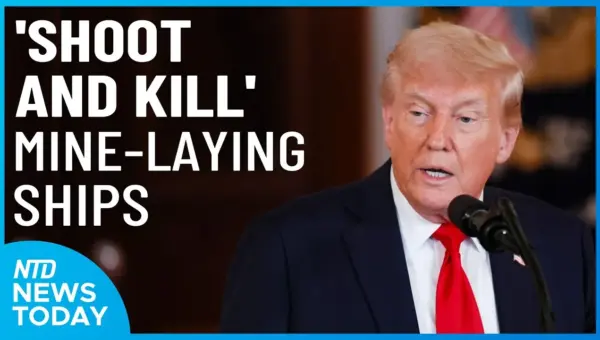
US Navy Readies Lethal Force Against Iran in Hormuz Strait
President Trump has ordered the US Navy to use lethal force against Iranian mine-laying boats in the Strait of Hormuz, escalating tensions. Meanwhile, the White House accuses China of stealing AI technology, adding another layer to global competition. These actions, coupled with economic sanctions on Iran, aim to reshape regional dynamics and prevent nuclear proliferation.


Trump’s Shadow: Did He Halt Epstein File Release?
New claims suggest Donald Trump actively worked to block the release of Jeffrey Epstein files. Accounts point to direct orders from Trump to his administration, contradicting narratives that blame others like Pam Bondi.