Trump Eyes Iran’s Oil Lifeline: Kharg Island Strategy Revealed
Geopolitical analyst Ian Bremmer discusses the potential U.S. strategy of controlling Iran's vital Kharg Island, which handles 80-90% of the nation's oil exports. This move, potentially aimed at crippling Iran's finances, carries significant risks and has a history linked to President Trump's long-standing views on the region.

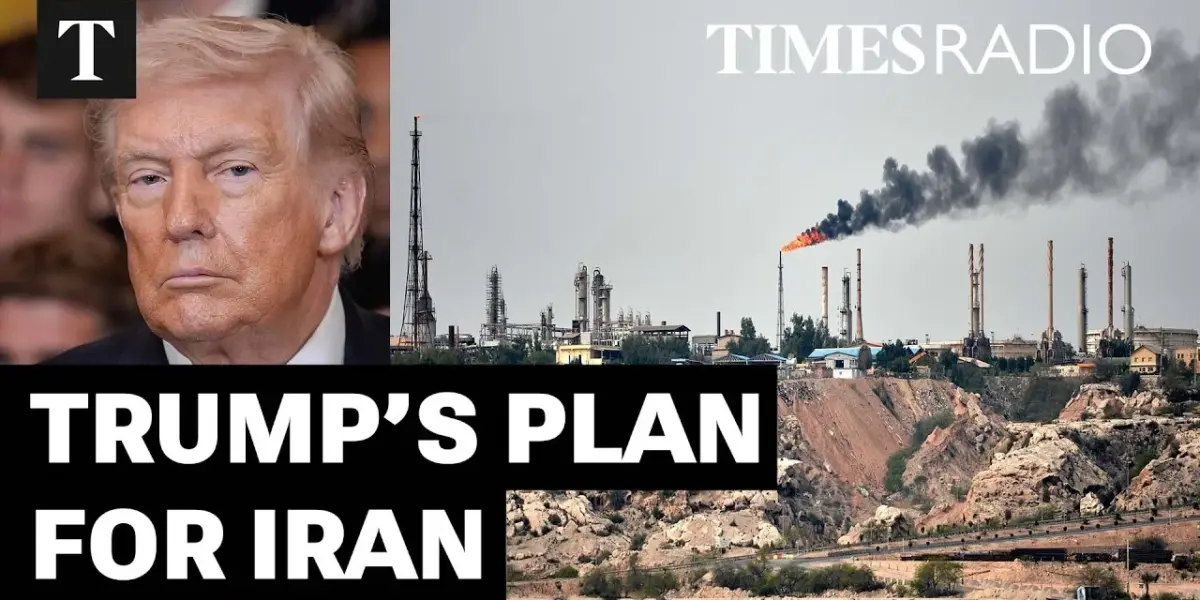
Kharg Island: The Key to Iran’s Oil Exports
In a strategic move that could redefine the geopolitical landscape of the Middle East, the Trump administration is reportedly considering a bold strategy to exert pressure on Iran: controlling Kharg Island. This small, yet critically important, island in the Persian Gulf handles an estimated 80 to 90% of Iran’s oil exports, making it the linchpin of the nation’s revenue stream. Geopolitical analyst Ian Bremmer, in a recent discussion, clarify the significance of this potential move and the broader implications for Iran and global markets.
A Choke Point for Iranian Revenue
Kharg Island is not just a transit point; it is the economic heart of Iran’s oil industry. “It’s where about 90% of Iran’s oil exports go through,” Bremmer explained.
“It’s utterly essential for that production and transit. It’s also of course a choke point that allows the Iranian government to make money.”
The strategic rationale behind targeting Kharg Island is clear: if the United States aims to curb Iran’s financial capabilities without resorting to direct military destruction of its nuclear and military assets, controlling the island presents itself as one of the few remaining viable options. Bremmer elaborated, “If you can’t get regime change, then controlling Kharg seems to be one of the few options that you are left with.” This approach could effectively create a “stranglehold” on Iran’s economy, potentially forcing significant concessions or even leading to regime change.
China: The Primary Recipient of Iranian Crude
The majority of the crude oil passing through Kharg Island is destined for China. Despite existing U.S. sanctions on Iranian crude, a significant volume has continued to be exported, with China readily purchasing it. This flow of oil has largely remained untouched and undiscussed in terms of direct U.S. Action until now.
A Long-Standing Fascination for Trump
Intriguingly, the idea of targeting Kharg Island is not new to Donald Trump. An interview from 1988, conducted to promote his book “The Art of the Deal,” revealed Trump’s strong dislike for Iran’s Islamic Republic and his contemplation of action against the island. “I’d go in and take it,” he reportedly said, indicating a long-held strategic interest in Kharg Island.
Rejected Alternatives and Risky Options
While controlling Kharg Island is being discussed, other potential actions have been considered and rejected by the Trump administration. One such option involved American commandos targeting a hardened nuclear enrichment facility at Esfahan, a move strongly advocated by Israel. However, U.S. military commanders, particularly from CENTCOM, have opposed this, citing the significant risks involved, including exposing troops to hazardous nuclear material that would be difficult to dispose of or destroy.
This reluctance to pursue high-risk military operations highlights a broader dilemma for the U.S. Administration. “You either have to destroy all of their military and nuclear capabilities and or you have to close off their ability to make a lot of money,” Bremmer stated. “And so far the United States has been unwilling to take the risks around both of those things.” The administration finds itself in a difficult position, facing a regime it is deeply uncomfortable with, one that it believes continues to export terrorism and develop nuclear capabilities.
Pitfalls of Targeting Kharg Island
Despite its strategic importance, taking control of Kharg Island is fraught with potential pitfalls. Bremmer outlined key considerations:
- Sabotage Risk: If Iran perceives an imminent threat to its oil revenue, it could opt to destroy the island’s infrastructure. “It’s possible they’d blow it up,” Bremmer warned. “If they wanted to sabotage and destroy it, they certainly could.” This poses a significant vulnerability that U.S. Planners are undoubtedly concerned about.
- Holding the Island: Even if U.S. forces successfully take control of the island, the challenge of holding and defending it remains. “Iran still has plenty of drones and they intend to make more,” Bremmer noted. “Any American soldiers that would be stationed there would certainly be vulnerable.”
- Oil Price Volatility: Any move on Kharg Island, or actions that threaten oil flow, could lead to a sharp increase in global oil prices. This is a concern for President Trump, who has historically focused on keeping energy costs low. The recent reports of Iran laying mines in the Strait of Hormuz highlight the potential for escalation and its impact on global energy markets.
A Strategy Modeled on Venezuela?
There’s a suggestion that the U.S. Strategy in Iran might be modeled on its approach to Venezuela, which Trump reportedly viewed as highly successful. However, Bremmer cautioned that such comparisons are flawed. “Iran, as it turns out, is not Venezuela,” he stated, implying that Iran’s geopolitical standing, military capabilities, and regional influence are far greater than those of Venezuela, making a direct replication of strategy unlikely to succeed.
Why Isn’t Kharg Island More Fortified?
The relative lack of heavy fortification on Kharg Island, despite its critical importance, raises questions. Bremmer suggests that while not heavily fortified, the island is not defenseless.
However, the Iranian regime may have prioritized fortifying its nuclear capabilities deep underground, viewing them as a more significant deterrent. There might be a strategic calculation that any attack on Kharg Island could trigger an economically devastating response for the entire world, creating a form of mutually assured economic destruction.
A War of Choice Driven by Trump
The decision to escalate tensions with Iran is characterized as a “war of choice” largely driven by President Trump. Bremmer indicated that Trump has been planning these strikes for months, waiting for the right moment and ensuring sufficient military assets were in place. The decision to proceed, the timing, and the scale of the operation, including the choice to act with Israel without full coordination with American allies, are attributed directly to Trump.
The justification for these actions has been inconsistent, with different explanations offered by administration officials. A statement by Secretary of State Marco Rubio, suggesting that the U.S. Acted pre-emptively based on an expectation of Israeli and Iranian responses, has been a point of confusion and debate. Bremmer emphasized that the ultimate responsibility for the current situation and its potential consequences lies with President Trump, especially in light of upcoming midterm elections where public opinion on foreign conflicts is a significant factor.
Looking Ahead: Escalation and Market Reaction
The situation remains volatile, with potential for further escalation. The focus now shifts to how Iran will respond to increased U.S. Pressure and whether the Trump administration will proceed with more aggressive actions, such as a move on Kharg Island. Global markets will be closely watching for any disruptions to oil supply and the broader geopolitical ramifications of these ongoing tensions.
Source: Trump Could ‘Stranglehold’ Iran By Controlling Kharg Island | Ian Bremmer (YouTube)

Related Articles
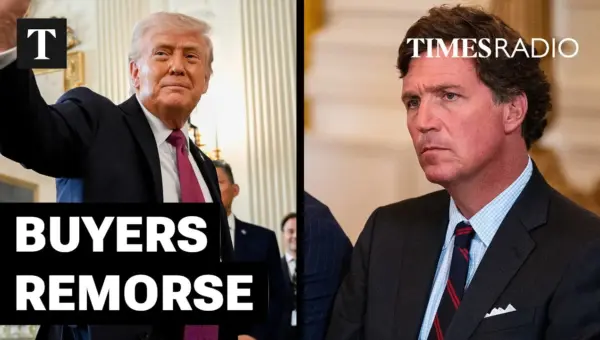
Tucker Carlson Regrets Trump Support Amid Shifting MAGA Alliances
Tucker Carlson has publicly regretted his past support for Donald Trump, signaling potential shifts within the MAGA movement. Meanwhile, the Navy Secretary's recent departure from the Pentagon raises questions about leadership stability amid ongoing international tensions.
Pence: Vance Never Called; Criticizes Trump’s Tariffs
Former Vice President Mike Pence revealed he has never spoken with his successor, Senator J.D. Vance, in an exclusive interview. Pence also criticized former President Trump's use of tariffs, asserting that taxes and imposts must originate in Congress.


Trump, Putin Share Ukraine Worldview, Kuleba Claims
Ukrainian Foreign Minister Dmytro Kuleba claims former U.S. President Donald Trump and Russian President Vladimir Putin share a similar worldview. Both, he suggests, believe smaller nations should submit to the demands of greater powers. This perspective could significantly alter U.S. policy toward the Ukraine conflict.