Germany’s Complaint Culture Fuels Integration, Fuels Far-Right Surge
An analysis of German online discourse reveals a unique culture of complaint that fosters civic engagement and integration. Simultaneously, the nation grapples with a surging far-right political movement, complex legal battles over online reviews, and a prevalent use of satire, painting a picture of a society in dynamic transition.

Germany’s Complaint Culture Fuels Integration, Fuels Far-Right Surge
In a world often characterized by a desire to avoid conflict and maintain pleasantries, the German approach to airing grievances stands out. What might seem like mere grumbling to an outsider is, for many Germans, a deeply ingrained cultural practice – a pathway to resolution and, surprisingly, a marker of integration. This phenomenon, highlighted in a recent analysis of German online forums, reveals a society that values clear communication and expects accountability, even if the results aren’t always immediate.
The Empowering Act of Complaining
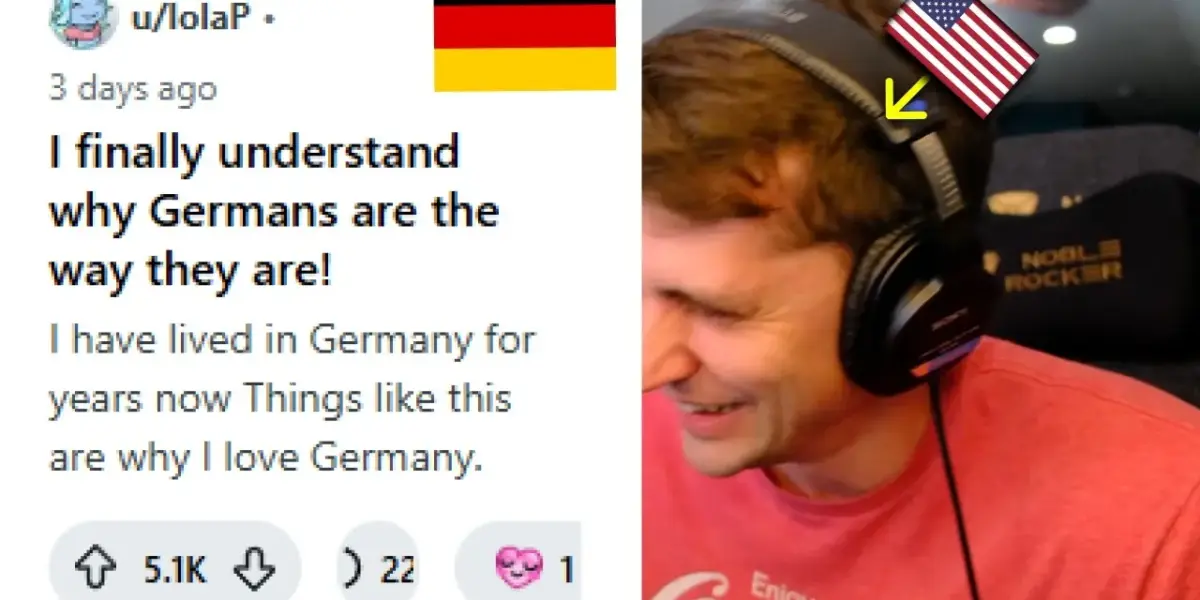
The observation that Germans complain like it’s “cocaine” captures a certain energy and perhaps even a cathartic release associated with the act. When a bus driver closes the doors on passengers, or a store offers subpar service, the immediate instinct for some is to document, articulate, and submit a formal complaint.
This isn’t just about venting; it’s about engaging with the system. The experience of receiving a response, even if the ultimate impact is uncertain, is described as “empowering.” This contrasts sharply with cultures where “life sucks and you just need to accept it,” suggesting that the German model fosters a sense of agency and a belief that problems can, and should, be addressed.
This cultural norm extends to online reviews and customer service interactions. The expectation of a response from businesses, whether it’s a reply to a Google review or an email detailing issues with public services, creates a feedback loop.
While some might see this as a bureaucratic nuisance, the underlying principle is one of civic engagement and a demand for quality. The “integration complete” sticker seen on a post, indicating a foreigner embracing this complaint culture, playfully underscores how mastering this aspect of German life is seen as a final step towards becoming a true citizen.
The Shifting Political Landscape: A Surge in the Far-Right
Beneath the surface of everyday complaints and cultural observations, Germany is grappling with significant political shifts. The recent state elections, particularly in Baden-Württemberg, have shown a surprising performance from the Green Party, nearly unseating the CDU.
However, the more striking development is the dramatic surge of the Alternative for Germany (AfD), a far-right, anti-immigration party. Doubling its previous results to around 19% in Baden-Württemberg, the AfD is now polling as the leading party in upcoming elections in eastern German states like Saxony and Thuringia.
This rise is occurring against a backdrop of traditional parties struggling. The SPD is experiencing historic lows, and even the CDU, while still a national force, is finding it difficult to retain voters who are increasingly drawn to the AfD’s platform.
The refusal of mainstream parties to form coalitions with the AfD creates a complex political environment, especially as the party’s support grows. The upcoming elections in September, including a crucial vote in Berlin, are seen as potential inflection points that could exacerbate the current political fragmentation.
Satire, Legal Battles, and the German Sense of Humor
The German online sphere is often characterized by satire, with many posts on platforms like Reddit originating from satirical news websites. This reliance on humor, even when discussing serious topics, can be a double-edged sword.
While it provides a creative outlet and a way to process complex issues, it can also obscure the actual news and make it difficult for newcomers to discern fact from fiction. The confusion about why oil prices might affect wind and solar energy, for instance, highlights how satirical takes, while often clever, may not always align with strict economic realities.
Interestingly, the perception of Germans lacking humor is challenged by the prevalence of satire. Yet, the legal landscape offers another dimension.
The case of a person being sued for a one-star Google review, despite the reputation of the US as a litigious society, is presented as particularly “outrageous.” The idea of facing legal action for expressing a personal, albeit negative, recommendation about a service – in this case, a dental visit – raises questions about the boundaries of free speech and consumer rights. The detailed complaint about outdated equipment, an impatient dentist, and unsatisfactory treatment leading to further costs highlights the user’s perspective, while the legal challenge suggests a differing interpretation by the business.
Everyday Encounters and the Nuances of German Life
Beyond politics and legal disputes, everyday interactions offer a window into German society. The anecdote of accidentally stealing a shopping cart from a supermarket and the subsequent awkward return, observed by security, adds a touch of relatable human error. The presence of handwritten notes, particularly from individuals seeking assistance, is noted as an endearing aspect of German life.
These notes, often accompanied by a small offer of a product in exchange for a donation, present a unique form of street-level commerce and interaction. While some might view these as common scams, the act of providing something tangible in return is seen as a respectful gesture, even if the value exchange is questionable.
The discussion around the drink “Späti” and its perceived unaffordability, alongside the news of EU workers leaving Germany despite labor shortages, points to economic pressures and potential policy challenges. The latter, in particular, could exacerbate existing workforce gaps, creating a cyclical problem.
Why This Matters
The German approach to complaints and civic engagement showcases a culture that values accountability and empowers individuals to seek redress. This can foster a more responsive society but also requires careful navigation of consumer rights and business practices. The burgeoning support for the AfD signals a significant political undercurrent, reflecting anxieties and dissatisfaction that mainstream parties must address.
Understanding the role of satire is crucial for interpreting online discourse, while legal disputes over reviews highlight evolving debates about free speech and consumer protection. Ultimately, these seemingly disparate elements – from everyday interactions to political upheavals – paint a complex picture of a nation in flux, grappling with its identity, its governance, and its place in the world.
Implications, Trends, and Future Outlook
The trend of increasing support for far-right parties like the AfD is a significant concern not only for Germany but for the broader European political landscape. It suggests a growing segment of the population feels unrepresented by traditional political forces and is receptive to more radical platforms.
The challenge for mainstream parties will be to understand and address the root causes of this discontent without compromising their core values. The continued reliance on satire in online German discourse also indicates a cultural inclination towards indirect commentary and critique, which may evolve as the political climate intensifies.
The legal battles over online reviews hint at a potential shift in how businesses and individuals interact in the digital space. As online reputation becomes increasingly critical, the lines between genuine feedback and actionable defamation may become more contested. The German emphasis on a structured approach to problem-solving, whether through formal complaints or legal channels, suggests a society that is continuously seeking order and resolution, even in its more contentious moments.
Historical Context and Background
Germany’s history is marked by periods of profound social and political upheaval, influencing its contemporary cultural norms. The post-war era saw a deliberate effort to build a democratic society that valued transparency and citizen participation, which may have contributed to the ingrained culture of complaint and accountability. The nation’s complex relationship with its past also informs its current political discourse, particularly concerning nationalism and immigration, which are central to the AfD’s platform.
The economic landscape, shaped by its industrial strength and its role within the European Union, also plays a key role in public sentiment and political outcomes. The current challenges, such as labor shortages and energy policy, are viewed through the lens of historical experiences and future aspirations.
Source: LAST WEEK IN GERMANY [76] (YouTube)

Related Articles


AOC Hits Back: GOP Cries Foul Over Redistricting They Started
Alexandria Ocasio-Cortez pushed back against Republican complaints about Virginia's redistricting. She argued that Republicans have a history of partisan gerrymandering and are only upset because Democrats are now fighting back. The debate highlights the ongoing struggle for fair representation in elections.


Geraldo Rivera’s Bold Claims on Politics and Pop Culture
Veteran journalist Geraldo Rivera weighs in on cultural divides highlighted by a Turning Point USA event, critiques political interview strategies, and debates the use of federal forces in cities. His sharp takes offer a look at current political and cultural tensions.
Trump’s Missing Physical Sparks Health Speculation
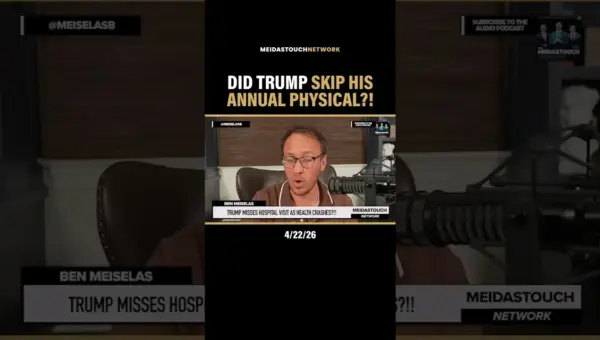
Donald Trump's annual physical exam for 2026 is missing or being hidden, sparking concerns. This follows a history of confusing statements about his health. Even right-wing media are now questioning his mental and physical state.