Democrats Champion Rebate for Americans After Tariff Ruling
Democrats are pushing for a $1,700 tariff rebate for every American following a Supreme Court ruling against Trump-era tariffs. This move aims to return funds consumers allegedly paid indirectly, highlighting economic hardship and potential election-year impacts.

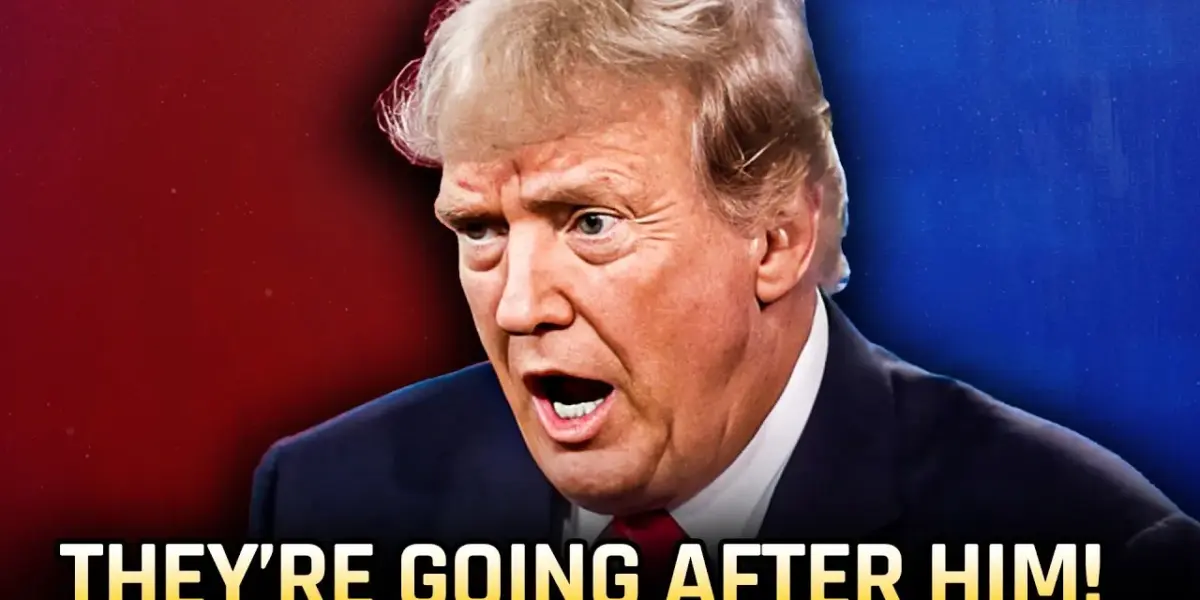
Democrats Champion Rebate for Americans After Tariff Ruling
In a significant move with potential economic and political ramifications, a unified front of Democratic lawmakers and state governors are pushing for the Trump administration to issue a $1,700 tariff rebate to every American. This demand stems directly from the U.S. Supreme Court’s decision to strike down certain tariffs previously implemented by the Trump administration. The core of the argument is that the funds collected through these now-invalidated tariffs were ultimately borne by the American consumer, not the corporations that initially paid them.
The Legal and Financial Basis for the Rebate
The push for a rebate is rooted in the understanding that while corporations paid the tariffs upfront, these costs were systematically passed on to consumers through increased prices. Therefore, proponents argue, the money collected is, in essence, American consumer money that was paid under duress of an illegal policy.
This has led to corporations already filing lawsuits to reclaim these funds. However, the Democratic initiative aims to ensure that this money is returned directly to the public.
Leading the charge in Congress are prominent figures such as Senator Elizabeth Warren and various House Democrats. Simultaneously, governors from key states, including Kathy Hochul of New York, J.B. Pritzker of Illinois, and Gavin Newsom of California, have joined forces to echo this demand.
Their unified voice advocates for a $1,700 payment to each American. This specific figure is not arbitrary; it is reportedly based on the findings of the Yale Budget Lab, which estimated that the average American incurred an additional $1,700 in costs last year due to these tariffs. This proposed rebate is slightly less than a $2,000 rebate check that Donald Trump himself had previously suggested, indicating a potential area of bipartisan agreement on the principle of returning funds, even if the amounts differ.
Legislation is reportedly being drafted in Congress to codify this rebate into law, a move that proponents believe would be a significant benefit to the American public.
Trump’s Response and the Ongoing Tariff Debate
Donald Trump has publicly stated his intention to find alternative methods for implementing tariffs, suggesting he can reintroduce them through different channels. However, the argument from the Democratic side is that these new measures, even if implemented, do not negate the illegality of the tariffs already paid. The funds collected under the invalidated tariffs, they contend, were illegally obtained and are therefore owed back to the public, regardless of future tariff policies.
The money that was already paid has been deemed illegal. Even if new tariffs are put in place, the past collections are still owed back to the American people.
The distinction is crucial: while businesses may continue to pursue legal avenues to reclaim funds, the Democratic legislative effort focuses on a direct refund to consumers. This would involve Congress passing legislation to make the returned funds an actual refund, providing cash directly to individuals.
Economic Context and Political Implications
The timing of this push is particularly noteworthy, coinciding with an election year. The $1,700 payment is presented not just as a matter of financial justice but also as a potentially significant economic stimulus for millions of Americans struggling in what is described as a “crashing economy.” The transcript highlights the stark contrast between the proposed $1,700 rebate and the $300 stimulus checks sent out during the Bush administration years ago. The author points out that $300, which was once considered a meaningful sum, would barely cover a fraction of current grocery costs for many, highlighting the impact of inflation over the past two decades.
The argument is made that Americans were essentially “screwed” by the previous administration’s actions, making them “entitled to their money back.” The hope is expressed that the Democrats’ efforts are driven by a genuine understanding of the financial hardship faced by citizens and a commitment to rectifying the situation, rather than solely being a political maneuver to “buy some votes.” Nevertheless, the potential for such a rebate to influence voter sentiment in an election year is undeniable.
Historical Context and Future Outlook
The discussion draws a parallel to past government stimulus efforts, such as the $300 checks issued during the Bush administration, to illustrate the diminished purchasing power of money today due to inflation. This historical comparison serves to emphasize the severity of the current economic climate and the potential impact of a substantial rebate like the proposed $1,700.
The core of the debate revolves around accountability for past economic policies and the mechanism for returning improperly collected funds. While corporations are pursuing their own legal remedies, the Democratic proposal seeks a broader, direct benefit for the public. The success of this legislative effort could set a precedent for how such economic redress is handled in the future.
Why This Matters
This situation highlights several critical issues. Firstly, it highlights the direct impact of trade policy and tariffs on the daily lives and financial well-being of ordinary citizens. The fact that a Supreme Court ruling can necessitate a large-scale rebate indicates the significant financial burdens that such policies can impose.
Secondly, it brings to the forefront the role of government in economic redistribution, particularly in times of perceived economic hardship. The debate over whether this is a genuine attempt at relief or a politically motivated tactic is central to understanding its implications.
The proposal reveals the ongoing discourse surrounding economic inequality and the effectiveness of government interventions. The comparison to past stimulus checks is a reminder of the long-term inflationary pressures that have eroded purchasing power.
If passed, this legislation could provide much-needed financial relief to millions, potentially boosting consumer spending and offering a tangible benefit to those most affected by economic downturns. Conversely, if the initiative falters, it could be seen as a missed opportunity for the Democratic party to deliver on economic promises and could fuel public frustration over economic policies.
The future outlook depends on the legislative process, the political will to pass such a bill, and the potential for any counter-moves or legal challenges. Regardless of the outcome, the demand for a tariff rebate represents a significant moment in the ongoing conversation about economic fairness and the responsibilities of government in addressing the financial impact of its policies on its citizens.
Source: Democrats CORNERING Terrified Trump (YouTube)

Related Articles

Trump Fed Nominee Faces Scrutiny Over Fortune, Independence
Kevin Warsh, tapped by President Trump to lead the Federal Reserve, faces intense scrutiny over his personal fortune exceeding $100 million and potential conflicts of interest. His nomination is further complicated by a political standoff in the Senate, where one key senator's opposition could block his confirmation.
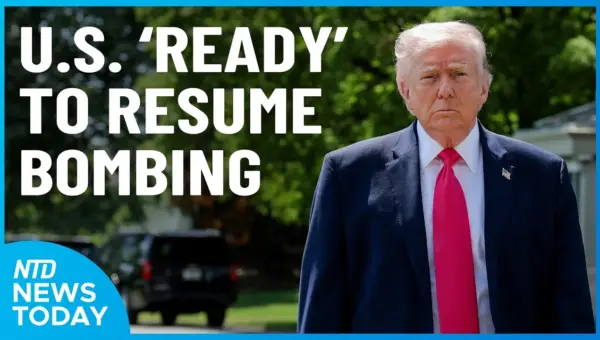
US Readies Military Might for Iran; Fed Nominee Faces Scrutiny
President Trump signals readiness to bomb Iran if deal talks fail, amidst naval blockades and potential Chinese involvement. Meanwhile, Federal Reserve nominee Kevin Warsh faces a key Senate hearing, discussing economic policy and independence. The military also shifts its vaccine policy, and investigations into Medicare fraud and the Southern Poverty Law Center continue.
GOP Eyes Supreme Court Vacancy as Midterm Boost
Senate Republicans are reportedly viewing a potential Supreme Court vacancy as a key factor to boost their chances in the upcoming midterm elections. Meanwhile, Democrats are engaging in redistricting battles, such as in Virginia, to counter Republican gerrymandering efforts and solidify their political position.