Iran Crisis Fuels Oil Price Surge, Echoes 1979 Fears
Escalating tensions in the Middle East and disruptions in the Strait of Hormuz are driving up oil prices, sparking fears of a 1979-style global oil crisis. Experts warn that while the immediate impact is felt at the pump, the ripple effects could extend to food and other goods, emphasizing the need for energy diversification.

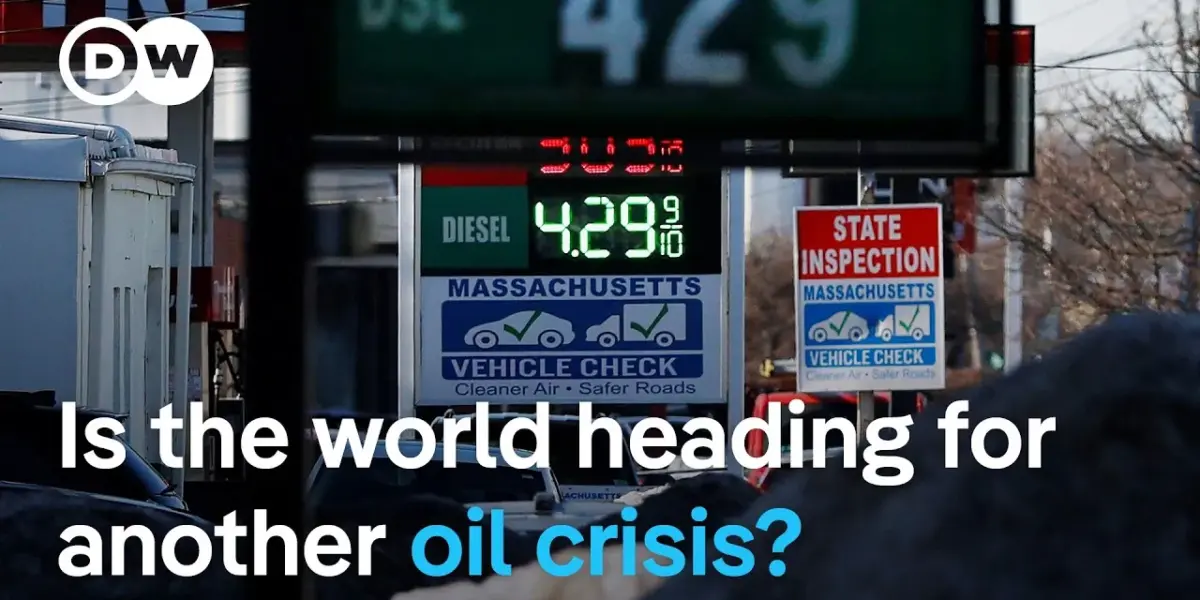
Iran Crisis Fuels Oil Price Surge, Echoes 1979 Fears
The escalating tensions between the United States and Iran, coupled with disruptions in the vital Strait of Hormuz, are sending shockwaves through global energy markets, driving up oil prices and raising concerns of a potential repeat of the 1979 oil crisis. President Donald Trump’s assertion that he is not seeking negotiations with Iran but rather unconditional surrender has amplified fears of further conflict, which historically has had a profound impact on global oil supplies.
The Crucial Strait of Hormuz
The Strait of Hormuz, a narrow waterway connecting the Persian Gulf to the Gulf of Oman, is a critical chokepoint for global oil transportation. Approximately 20% of the world’s oil, or roughly 20 million barrels per day, normally passes through this strategic passage.
Major oil-producing nations like Saudi Arabia, Iraq, Kuwait, the UAE, and Iran rely heavily on this route for their exports. Any disruption in the Strait can have an immediate and significant effect on global oil prices and energy security.
Visual evidence from the region shows a dramatic decrease in ship traffic through the Strait. Once a bustling shipping lane, it has seen a sharp decline in activity, with only a handful of commercial ships managing to navigate the passage daily in recent times. This reduced flow of oil has directly contributed to surging crude oil prices.
Economic Ramifications and Consumer Impact
The rise in crude oil prices inevitably translates to higher gasoline prices at the pump. This has a cascading effect on the broader economy, increasing costs for businesses, making travel more expensive, and contributing to inflationary pressures. For consumers, particularly in the United States, these higher prices represent a significant financial burden.
When questioned about the rising fuel costs, President Trump suggested that prices would drop rapidly once the current situation is resolved, stating, “They’ll drop very rapidly when this is over, and if they rise, they rise. But this is far more important than having gasoline prices go up a little bit.”
Expert Analysis: Averting a Full-Blown Crisis?
Kenneth Medlock, Senior Director at the Center for Energy Studies at the Baker Institute for Public Policy at Rice University, offered a nuanced perspective on the current situation. He believes that while the pain at the pump is real, labeling it a full-blown oil crisis might be premature, provided the conflict subsides quickly.
“I don’t think it’s fair to say we’re quite to that level yet because we still are in the middle of the conflict. I think if we can get to a point where the conflict subsides, it really then becomes an issue of how rapidly can shipments of oil and natural gas out of the region resume.”
Medlock highlighted a key difference between oil and natural gas. While oil shipments could potentially resume quickly, with full tankers ready to move and storage facilities available, the natural gas market, particularly Liquefied Natural Gas (LNG), faces a more prolonged recovery. The halting of operations at liquefaction facilities, such as in Qatar, means that even if the Strait reopens, restoring natural gas supply will take time, impacting industrial activity and power prices.
The Specter of 1979
The current events inevitably draw parallels to the 1979 oil crisis, triggered by the Islamic Revolution in Iran. That period saw widespread fuel shortages, long queues at gas stations, and dramatically increased prices, causing significant economic hardship globally. The fear is that a similar scenario could unfold if the current geopolitical tensions escalate further.
Medlock addressed the public’s reaction, which often includes a tendency towards panic buying, reminiscent of past crises. He advised against such behavior, explaining that it can paradoxically accelerate price increases by creating a self-fulfilling prophecy.
“The best thing to do is try to cool the temperature around what consumers are feeling because that will eliminate the desire to go fill up your tank even though you don’t need to fill it up. Which will actually ease pressure on the supply chains for fuel delivery.”
He also noted that governments can help temper public concern by leveraging strategic petroleum reserves, signaling that mechanisms are in place to mitigate supply disruptions.
Alternative Routes and Global Reserves
While the Strait of Hormuz is the primary artery for oil exports, alternative routes exist, though they are limited in capacity. Pipelines across the Arabian Peninsula to the Red Sea and overland pipelines in the UAE offer some capacity, but collectively, they fall far short of the 20 million barrels per day that typically transit the Strait. This reliance on limited alternative routes highlights the vulnerability of the global supply chain.
Medlock also pointed to the role of global inventories and strategic reserves, such as the U.S. Strategic Petroleum Reserve and substantial stockpiles in China, which could provide a buffer for a short period. However, leveraging these reserves effectively would likely require price increases, a phenomenon already underway.
Broader Economic Impact Beyond Energy
The ripple effects of rising energy prices extend beyond the fuel at the pump. Energy is a fundamental input for virtually all economic activities. As Medlock explained, the cost of transporting goods, whether by ship, truck, or other means, is directly linked to energy prices.
Consequently, sustained high energy prices can gradually lead to increased costs for a wide range of consumer goods, including food, fruits, vegetables, and manufactured products. While not instantaneous, this inflationary pressure can significantly impact household budgets over time.
The Role of Renewable Energy and Diversification
The current crisis also reignites the debate about the importance of investing in renewable energy sources. Medlock acknowledged that a diversified energy mix is crucial for resilience against price shocks, not just from oil but from any energy source.
However, he cautioned that renewable energy alone does not shield consumers from oil price volatility, as oil remains a vital input for numerous materials and industrial processes, including plastics and semiconductors. The emphasis, he suggested, should be on diversification rather than elimination of fossil fuels in the immediate term.
Looking Ahead
The coming weeks will be critical in determining whether the world can avert a major oil crisis. The de-escalation of geopolitical tensions, the swift resumption of shipping through the Strait of Hormuz, and the strategic management of global energy reserves will be key factors. Consumers, meanwhile, will continue to feel the pinch at the pump, highlighting the urgent need for diversified and resilient energy infrastructure in the face of global instability.
Source: Memories of 1979 as Iran crisis sends oil prices higher | DW News (YouTube)

Related Articles


Russia’s Economy Shrinks 1.8% Amidst Sanctions
Russia's economy contracted by 1.8% in early 2026, driven by falling energy revenues and the impact of sanctions. While temporary oil waivers offer short-term relief, underlying structural issues in the energy sector and a widening budget deficit point to a challenging economic outlook for the country.
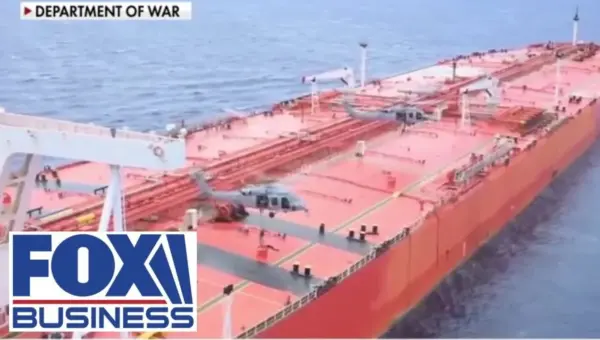
US Navy Seizes Sanctioned Oil Ship in Indian Ocean
The U.S. Navy seized a sanctioned oil tanker carrying 1.9 million barrels of crude in the Indian Ocean, adding tension to global oil markets. This occurs as a U.S.-Iran cease-fire is set to expire, keeping traders on edge.


Global Oil Shortage Hits Asia First, Fueling Price Shocks
Global oil supplies are dwindling, with mid-to-late April targeted as a critical point. Asia has been hit hardest, experiencing drastic delivery cuts and soaring fuel prices. Nations worldwide are implementing emergency measures to conserve fuel and manage shortages.