Trump Shifts Iran War Aims to Regime Change, Demands Unconditional Surrender
President Donald Trump has escalated U.S. war aims against Iran, now demanding unconditional surrender and signaling a clear pursuit of regime change. The strategy's opaque nature and potential reliance on regional allies and unconventional methods leave its ultimate outcome uncertain.

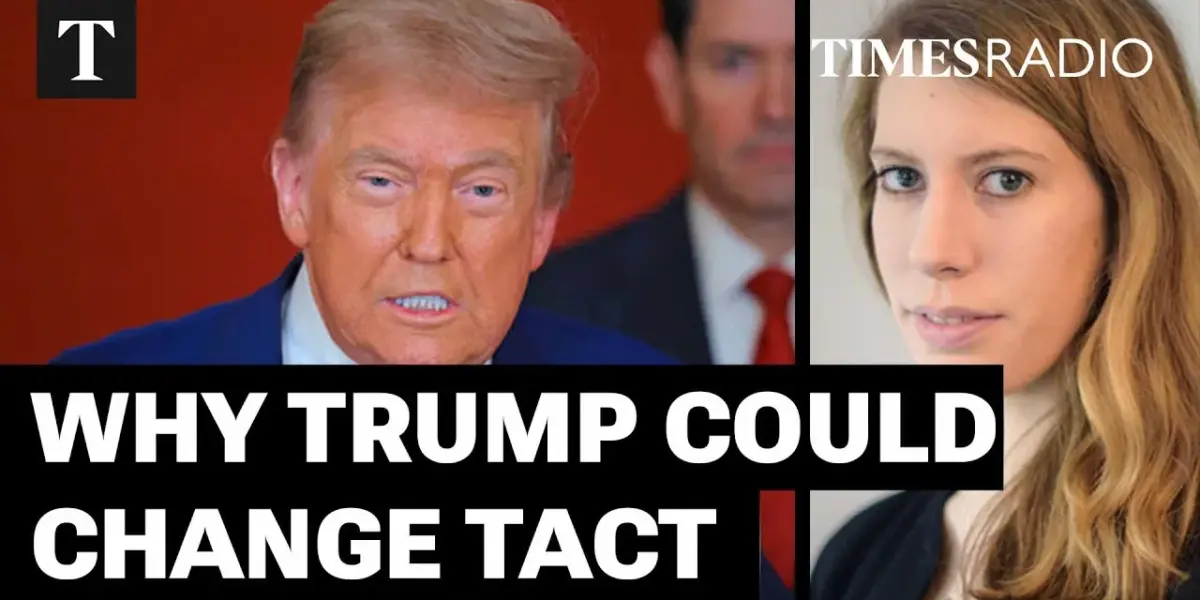
Trump Demands Unconditional Surrender in Iran Conflict
In a significant escalation of rhetoric, U.S. President Donald Trump has declared that the ongoing conflict with Iran will only conclude with the “complete and utter surrender” of the Iranian regime. This demand, articulated on Friday, fundamentally shifts the stated objectives of the war, moving beyond initial justifications to a clear aim of regime change. The White House has also indicated that achieving these new objectives could prolong the conflict for an additional four to six weeks.
Regime Change: A Shifting and Opaque Goal
The explicit demand for unconditional surrender effectively signals a U.S. Intention to pursue regime change in Iran. This represents a departure from earlier statements by some administration officials, including figures like Senator Rubio, who had previously denied regime change as a war aim. However, President Trump’s recent pronouncements suggest a far more direct involvement, with reports indicating his desire to influence who replaces the current Iranian leadership, the Ayatollah.
This developing theme suggests a hands-on approach to regime change, moving away from the concept of “regime change from the skies” as critiqued by the British government. The exact mechanics and endgame of this strategy remain unclear, described by analysts as “fairly opaque.” The president’s ability to “move the goal posts” and “flip position pretty quickly” adds to the uncertainty surrounding the conflict’s ultimate aims and duration.
Pressures and Alliances Shaping U.S. Strategy
The evolving U.S. Stance is reportedly influenced by a confluence of domestic and international pressures. Rising domestic concerns over the cost of living and oil prices are significant factors. President Trump appears to be responsive to the frustrations of Middle Eastern allies surrounding Iran, who are bearing the brunt of regional instability caused by the conflict.
While President Trump has expressed disdain for criticism from Western European nations, he appears more inclined to maintain positive relationships with key Middle Eastern countries. This strategic calculus may also involve exploring unconventional alliances, with reports suggesting potential U.S. Support for Kurdish forces engaging in ground offensives against Iran. Israel is also reportedly backing Iranian Kurdish plans to seize border areas, indicating a complex web of regional actors vying for influence.
Uncertainty Over U.S. Military Involvement
Despite the aggressive rhetoric and the stated goal of regime change, the U.S. President has generally stated that deploying U.S. Ground troops is not part of the plan. However, he has also stopped short of completely ruling out such a possibility, a move that would undoubtedly be one of the most controversial actions he could take.
Given the potential for significant backlash, it is expected that those advising the president will strongly advocate for alternative methods of achieving change that do not involve direct U.S. military engagement. The focus is likely to remain on indirect support, leveraging regional proxies, and potentially economic or diplomatic isolation.
Strained U.S.-UK Relations Amidst Conflict
The conflict has also cast a shadow over the relationship between the United States and its long-standing ally, the United Kingdom. President Trump’s personal animosity towards UK Prime Minister Keir Starmer, stemming from perceived criticism of U.S. Actions, has led to a “serious setback” in their bilateral relationship.
Beyond the personal friction, there is a broader sense of surprise and disappointment among Republicans in Washington regarding the UK’s initial response to U.S. Requests for assistance. Some senior Republicans have compared the current state of U.S.-UK relations to the Suez Crisis, highlighting a significant diplomatic rift. This sentiment suggests that the UK’s justifications, whether legal or political, have not resonated well within the U.S. Political establishment, potentially impacting future cooperation.
Looking Ahead: The Evolving Iran Strategy
The situation remains fluid, with the ultimate objectives and the pathway to achieving them still largely undefined. Key developments to watch will include any further clarification of U.S. War aims, the extent of support for regional actors like the Kurds, and the diplomatic fallout with allies like the UK. The potential for President Trump to pivot or alter his demands remains a significant factor in navigating this complex and volatile geopolitical landscape.
Source: How Trump Could ‘Move The Goal Posts’ On Iran War Aims | Katy Balls (YouTube)

Related Articles
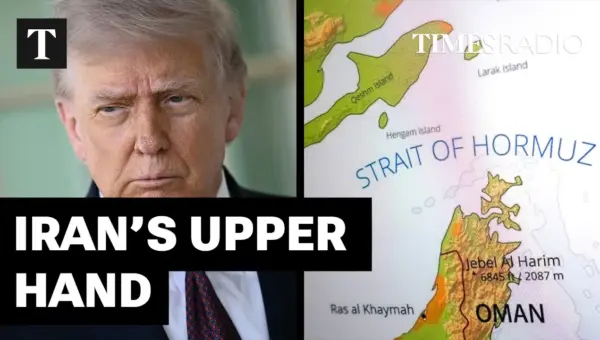
US Faces Limited Options Against Iran’s Strait Control
Iran's control over the Strait of Hormuz presents the U.S. with limited options beyond a massive ground invasion. Despite ongoing peace talks and a potential deal mirroring past agreements, Iran's demonstrated leverage over the vital economic chokepoint solidifies its strategic position. The conflict's economic fallout is impacting global markets, with the U.S. experiencing higher energy prices and slower economic growth, while other nations face more severe consequences.
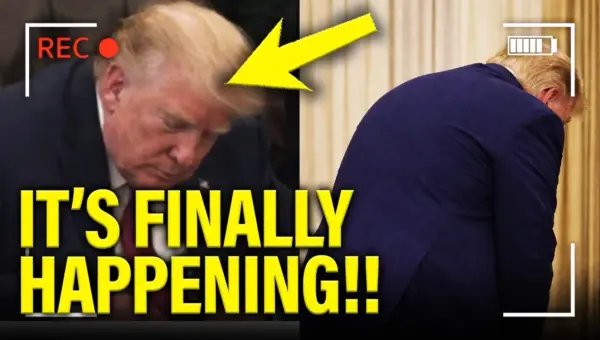
Trump’s Health Fears Spark Global Unease
Concerns are growing over Donald Trump's cognitive and physical health, with erratic social media posts and public statements fueling speculation. These issues arise amidst rising global tensions, raising questions about his fitness for leadership. The transcript suggests a pattern of disinhibition and conspiracy-driven communication.
Trump Seeks IRS Settlement Amid $10 Billion Lawsuit Claims
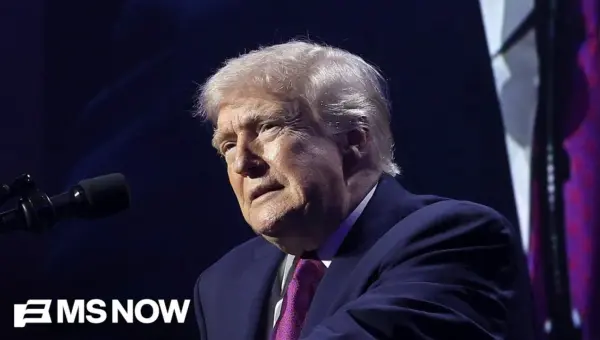
Former President Donald Trump's legal team is reportedly negotiating a settlement with the IRS over his $10 billion lawsuit concerning alleged tax information leaks. This move comes amid broader concerns about the Trump family's business dealings and potential conflicts of interest, as experts question the use of public funds and government influence for personal gain.