Sicily Landslide: 1,500 Flee Town on Hill’s Edge
Over 1,500 residents of Niscemi, Sicily, were forced to evacuate their homes on January 25th, 2026, after a significant landslide threatened the town. Decades of allocated funding for preventative measures failed to materialize due to bureaucratic delays and a lack of planning, leaving the community vulnerable to recurring geological threats.

Sicily Landslide: 1,500 Flee Town on Hill’s Edge
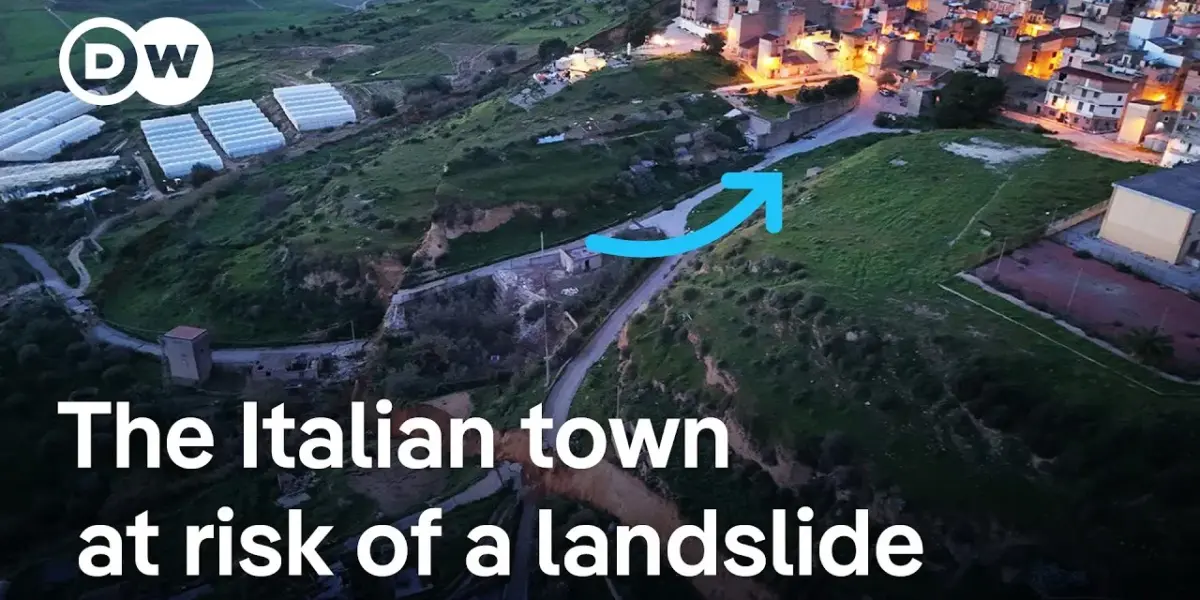
NISCEMI, Sicily – Over 1,500 residents of Niscemi, a town in Sicily perched precariously on a hillside, have been forced to evacuate their homes following a significant landslide on January 25th, 2026. The ground beneath their feet gave way, displacing a community grappling with a recurring geological threat that has been years in the making, despite allocated funding for preventative measures.
A Community Displaced
The streets of Niscemi’s old town have been eerily deserted since the earth began to move. Located approximately 90 kilometers southwest of Catania, Niscemi is home to around 25,000 people and is situated in one of Italy’s most economically disadvantaged regions. For residents like Carmela, the evacuation order meant leaving behind not just homes, but decades of memories and the unsettling reality of a familiar danger.
Carmela, accompanied by her daughter, sought refuge at a local fire station. Her immediate concern was retrieving essential belongings, including a gas heater, from her abandoned home.
“They are accompanying me back to the house. We’ll see what we can find,” she stated, her voice tinged with anxiety as she navigated the unstable terrain with the help of volunteers and the fire department.
“We were resting. I had just showered and was still in my pajamas and slippers. Suddenly, there was this noise. Boom. Boom. Then the mayor called. We have to get out fast.”
This is not the first time Carmela has faced such a disaster. A similar landslide in 1997 destroyed many houses in Niscemi, including her own.
“Back then, it took 3 years before I could move into the new house. I had lived there since 2000,” she recalled, highlighting the long-lasting impact of these geological events on the lives of residents.
Unfulfilled Promises and Bureaucratic Hurdles
Following the 1997 landslide, the municipality received approximately €10 million (around $11 million USD) intended to assist affected families and demolish damaged structures. A decade later, another program allocated €9 million (around $9.8 million USD) specifically for safety measures on the unstable slope. However, these crucial projects never materialized, leaving the town vulnerable.
Journalist Salvo Catalano, who has investigated the paper trail of these funds, points to Sicily’s complex bureaucratic system as a significant factor. “The money was actually available. It mostly failed due to a lack of planning, severely understaffed offices, and sluggish bureaucracy,” Catalano reported, shedding light on the systemic issues that plagued the implementation of safety measures.
The current mayor, who had not yet taken office when the funds were approved, denies any personal responsibility. “I can’t be held accountable for previous administrations.
I can and will only take responsibility for my own leadership. These questions must be clarified by the relevant authorities,” he stated, highlighting the political and administrative complexities surrounding the unaddressed risks.
Geological Realities and Uncertain Futures
In the wake of the recent evacuation, Italian Prime Minister Giorgia Meloni pledged €150 million (approximately $163 million USD) during her second visit to Niscemi. The funds are earmarked to support displaced families and secure the vulnerable site. However, permanently stabilizing the slope presents a formidable challenge, according to geologist Filippo Capoto.
“The crack in the ground is about 4 km long. It runs very deep, making structural reinforcements extremely difficult,” Capoto explained. He expressed a pragmatic view on the long-term outlook: “Can we prevent further landslides entirely?
Probably not. We have to find ways to live with the risks. And unfortunately, we have to be prepared for the edge to move even further back.”
A Lingering Hope for Stability
For Carmela and the other displaced residents, the future remains uncertain. The memory of the earth giving way is still vivid, a constant reminder of their precarious situation. Carmela’s hope is simple yet profound: “I just hope I get a house I can die in so I know at least where I can die.”
As Niscemi grapples with the immediate aftermath of the landslide and the long-term implications of its geological instability, the town awaits decisive action and lasting solutions. The path forward will require overcoming bureaucratic inertia and implementing robust, scientifically-sound measures to mitigate the risks for a community that has already endured too much.
Source: Italy: A town on the edge of falling down a hill | DW News (YouTube)

Related Articles


World Cup Costs Spark Fierce Debate Between Cities and FIFA
Host cities for the 2026 FIFA World Cup are confronting FIFA over escalating costs for infrastructure, security, and transportation. New Jersey is leading the pushback, arguing that the state should not foot the bill for moving tens of thousands of fans. The U.S. model, unlike in many other countries, places significant financial responsibility on individual cities, creating a growing conflict as the tournament approaches.


US, Iran Near Fragile Peace Talks Amid Tensions
The United States is sending a delegation to Islamabad for peace talks with Iran as a ceasefire nears expiration. While Iran demands trust and rejects U.S. negotiation tactics, experts remain skeptical about immediate progress. Key sticking points include Iran's enriched uranium stockpile and its missile capabilities, while both nations face significant economic pressures.
Pilot Dies in Florida Plane Crash, Saves Homes
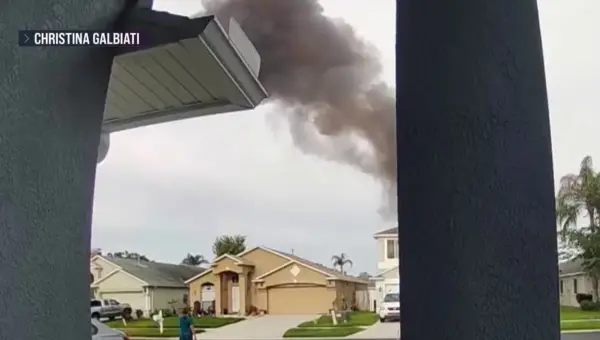
A pilot died Tuesday when his small plane crashed into a backyard in Wesley Chapel, Florida. Witnesses believe the pilot made a heroic effort to steer the aircraft away from homes in his final moments. The NTSB is investigating the cause of the crash.