Alabama Set to Execute Man Who Didn’t Kill, Sparking Outrage
Alabama is set to execute Charles "Sonny" Burton, a 75-year-old man, for a murder he did not commit, sparking national debate. The case highlights the controversial felony murder rule, with the victim's daughter and several jurors now advocating for clemency.

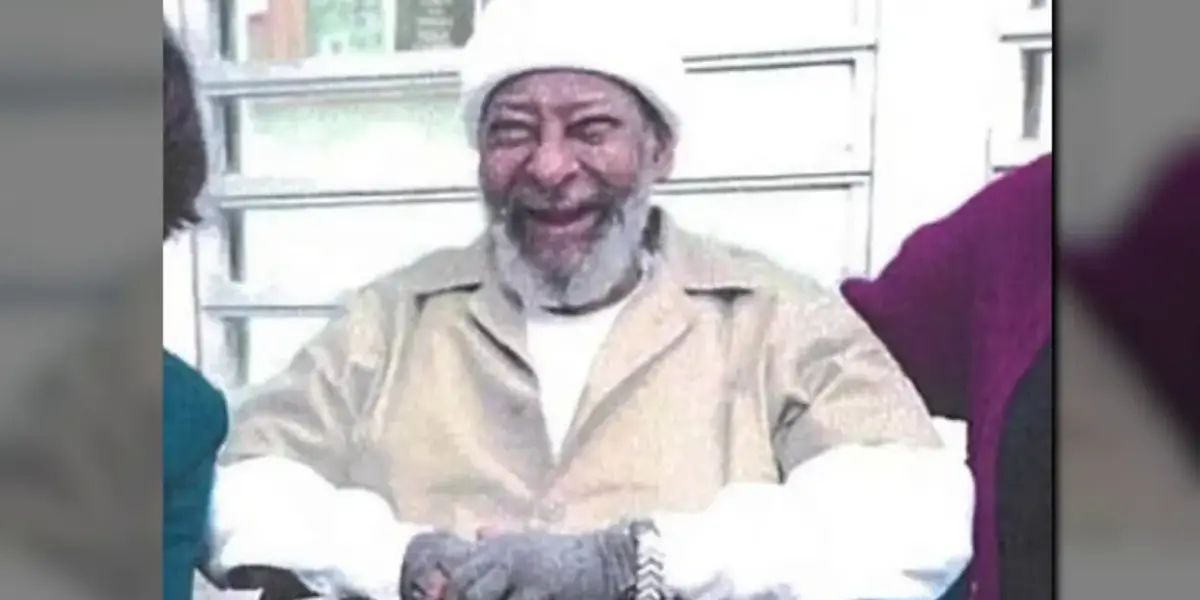
Alabama Plans Execution of 75-Year-Old for Uncommitted Murder
In a case drawing national attention and sparking debate over justice and the felony murder rule, the state of Alabama is preparing to execute 75-year-old Charles “Sonny” Burton on March 12th for a murder he did not commit. Burton, who has spent three decades on death row, maintains his innocence in the killing of Doug Battle, a customer at an AutoZone store during an armed robbery in 1991. The man who pulled the trigger has since died in prison, but Burton, who was stationed outside as the getaway driver, is now facing execution.
The Felony Murder Rule: A Controversial Legal Doctrine
At the heart of Burton’s case lies the felony murder rule, a legal doctrine prevalent in the United States that allows individuals involved in a felony to be convicted of murder if a death occurs during the commission of that crime, even if they did not directly cause the death or intend for it to happen. Dr. Nazgol Ghandnoosh, Director of Research at The Sentencing Project, explains that this rule can lead to murder convictions for individuals who did not commit an intentional killing.
“People who are convicted and serving sentences for felony murder did not commit an intentional killing,” Dr. Ghandnoosh stated. “Felony murder allows for everybody involved in the underlying offense to be treated by the legal system, as if they committed an intentional murder.”
This doctrine can result in individuals being considered killers and receiving murder sentences, even if they were not present at the scene of the crime or directly involved in the fatal act. The Sentencing Project notes that this rule disproportionately affects people of color and is a legal framework largely unique to the United States among developed nations, with England having abolished it in 1957.
Sonny Burton’s Role and Denials
In 1991, Sonny Burton participated in an armed robbery at an AutoZone, where he was responsible for taking cash and then waiting outside in the getaway car. Inside the store, an accomplice shot and killed Doug Battle. Burton has consistently denied any knowledge that a murder was about to occur, stating, “I shouldn’t die for something I haven’t done.” He claims he was a “nobody” and did not instruct anyone to commit violence.
The triggerman was initially sentenced to death, but his sentence was later reduced to life in prison due to ineffective assistance of counsel. He passed away in prison in 2020.
An Unlikely Ally: The Victim’s Daughter
In a remarkable turn of events, Tori Battle, the daughter of the victim Doug Battle, is now an unlikely ally for Sonny Burton. She has publicly urged Alabama Governor Kay Ivey to spare Burton’s life, penning an op-ed that emphasizes justice over vengeance.
“As I’ve grown older, I’ve come to understand that justice is not about vengeance. It’s about truth, proportionality and fairness,” Battle wrote. She further questioned the state’s pursuit of Burton’s execution: “No one from the state has ever sat with me to explain why Alabama believes it must execute a man who did not kill my father.”
Battle’s intervention highlights a growing sentiment that the application of the felony murder rule in cases like Burton’s may not align with a broader understanding of justice and fairness.
The Case of Ryan Hollins: A Parallel in Florida
The complexities and harsh consequences of the felony murder rule are further illustrated by the case of Ryan Hollins in Florida. In 2003, Hollins, then 20 years old, lent his car keys to acquaintances who intended to commit a robbery. Unbeknownst to Hollins, who fell asleep after they left, the robbery resulted in the death of 18-year-old Jessica Snyder.
Hollins was arrested and charged with murder, despite being asleep and unaware of the fatal events unfolding. He was convicted under Florida’s felony murder statute and sentenced to life without parole, the same sentence as the man who committed the killing.
Hollins’ mother, Sylvia, became a fierce advocate for her son, writing to numerous officials. While Florida’s then-Governor Rick Scott commuted Hollins’ sentence to 25 years to life in 2014, Hollins remained incarcerated until December 2024, facing a decade of strict probation upon release. His case highlights the profound and lasting impact of felony murder convictions, even for individuals with no direct involvement in the fatal act.
Juror Regret and Final Appeals
Adding further weight to the calls for clemency for Sonny Burton, several jurors from his 1992 trial have come forward with sworn affidavits expressing regret over their decision to sentence him to death. Priscilla Townsend, one of the jurors, acknowledged knowing Burton was not the triggerman during the trial.
“The death sentence is too harsh for someone that did not pull the trigger,” Townsend stated, expressing deep remorse if Burton is executed. “I feel horrible about it.
I don’t understand why, at the point in time when the other gentleman, when his sentence was lessened, why no one came back and assisted Sonny. It just doesn’t make any sense to me at all.”
Five other jurors have similarly signed affidavits, believing Governor Ivey should show mercy. Despite these developments and the victim’s daughter’s plea, the Alabama Attorney General’s office maintains that Burton’s death sentence is “long overdue.” Burton’s legal team has filed a final appeal with the U.S. Supreme Court.
Looking Ahead: A Governor’s Decision
As the execution date looms, the focus intensifies on Governor Kay Ivey’s decision. While she has stated she has no current plans to grant clemency, she retains the authority to change her mind.
The case of Sonny Burton has brought the controversial felony murder rule into sharp public focus, prompting critical questions about proportionality, fairness, and the very definition of justice in the American legal system. The outcome will not only determine Burton’s fate but could also influence future discussions and potential reforms surrounding this complex legal doctrine.
Source: Sonny Burton didn’t kill anybody, but Alabama is set to execute him (YouTube)

Related Articles


San Francisco’s Collapse Fuels National Debate
San Francisco is facing a severe social crisis marked by homelessness, drug use, and crime. Critics blame progressive policies like 'Housing First' and lax law enforcement for incentivizing these issues. The city's approach to mental illness and criminal justice is also under intense scrutiny.


JD Vance’s ‘Far-Left’ Allegation: Unpacking the Rhetoric on Sex Offenders and Criminal Justice Reform
Senator J.D. Vance recently accused “the entire far-left,” including Minneapolis Mayor Jacob Frey, of “letting violent sex offenders stay on the streets of America,” igniting a contentious debate on criminal justice reform. This article unpacks Vance's potent rhetoric, exploring the complexities of sex offender management, the tenets of progressive justice reform, and how such highly charged political statements shape public perception and policy discussions in America.

8 Children Dead in Domestic Shooting Tragedy
Eight children, ranging from one to 14 years old, were killed Sunday morning in a devastating domestic disturbance shooting. The incident led to an extensive crime scene and a subsequent police chase that ended with the suspect's death. Authorities are working to release more details after notifying families.