Presidential Slumber Amidst Global Conflict: A Nation’s Concern
A President's apparent struggle to stay awake during a conference, while regional conflicts escalate, raises serious questions about leadership and national security. This analysis explores the geopolitical context, contrasts administrations, and discusses the implications of perceived presidential disengagement.

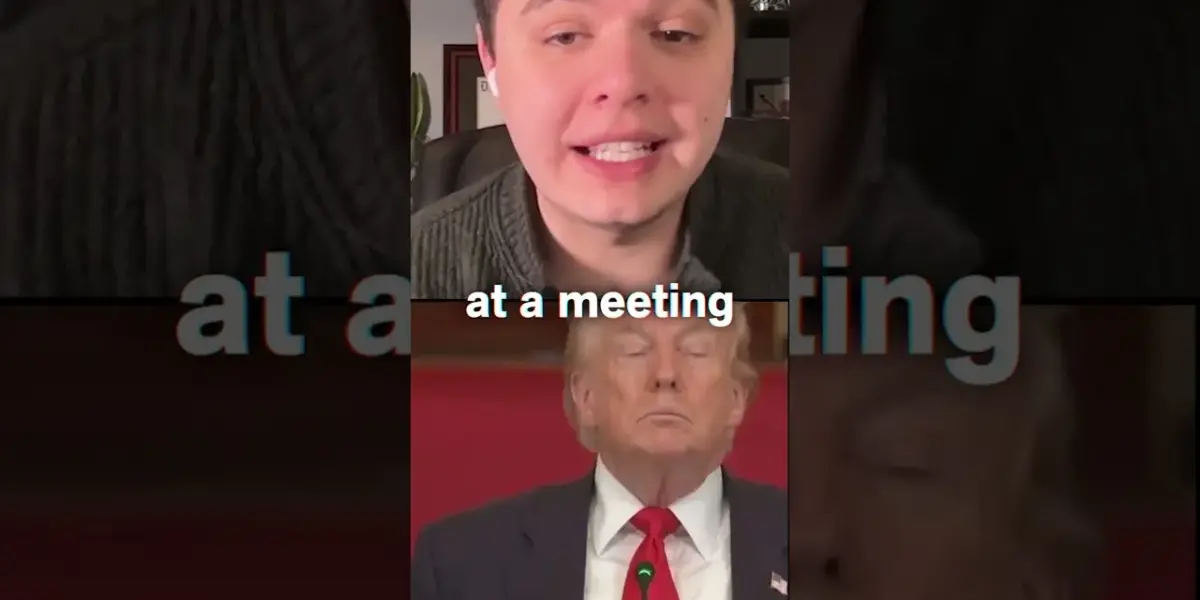
A Nation’s Watch: Presidential Presence in Times of Crisis
The images are stark and, for many, deeply unsettling. A sitting President of the United States, purportedly engaged in a high-level conference, appearing to struggle with wakefulness.
This visual, captured and circulated widely, coincides with a period of significant geopolitical tension, particularly concerning Iran and its regional influence. The juxtaposition of a leader seemingly disengaged with the urgent realities of international conflict raises profound questions about leadership, focus, and the nation’s security in a volatile world.
The Geopolitical Crucible
The transcript highlights a rapidly deteriorating situation in the Middle East. Reports detail Israeli Defense Forces (IDF) striking an Iranian command center in Lebanon, with a rising death toll.
Simultaneously, a Kurdish armed group faces drone and missile attacks in northern Iraq. The United Nations Secretary-General has issued a dire warning, stating that the situation is “spiraling beyond anyone’s control.” This paints a picture of escalating regional conflict, with potential implications for global stability.
Against this backdrop of escalating hostilities, the President’s apparent state of fatigue during a conference – specifically one focused on women’s sports, as mentioned in the video – becomes a focal point. The narrative presented is one of a nation grappling with a burgeoning regional war, while its leader appears to be physically struggling to remain attentive. This visual disconnect between the gravity of external events and the perceived internal capacity of the leadership is a potent source of public concern and commentary.
A Tale of Two Presidencies?
The commentary draws a sharp contrast between the current administration’s approach to foreign policy and the perceived actions of the previous one. It references criticisms leveled against Joe Biden, suggesting he “humiliated us on the world stage” and “started wars.” However, it reframes the Afghanistan withdrawal as a necessary, albeit imperfect, action that Biden undertook. This perspective suggests that while the withdrawal had its challenges, it was a decisive move to end a protracted engagement.
Conversely, the current leadership is accused of actively drawing the United States into “new forever wars.” The mention of defense contractors quadrupling production and the mention of drones and explosions in Iraq and Baghdad further highlight the narrative of escalating conflict and potential entanglement. The statement, “I do not trust this man to solve it,” referring to the current president’s handling of the regional conflict, encapsulates a significant sentiment of distrust and apprehension regarding his foreign policy capabilities.
The Weight of the Office
The presidency is an office that demands unwavering vigilance. The demands are not merely symbolic; they are practical. Decisions made in the Oval Office, or even during official engagements, have tangible consequences across the globe.
When a leader appears unable to maintain focus during critical discussions or public appearances, it inevitably fuels speculation about their capacity to handle the immense pressures and complexities of the job. This is particularly true when the nation is navigating treacherous international waters.
The transcript implicitly argues that while political discourse often focuses on policy decisions and rhetoric, the physical and mental presence of the leader is also a crucial element of national security and international standing. The visual of a president struggling to stay awake during a period of heightened global risk is, in this context, more than just a moment of personal fatigue; it is interpreted as a potential indicator of a broader leadership deficit.
Historical Context and Precedents
Throughout history, the physical and mental acuity of world leaders has been a subject of public and political scrutiny. From Franklin D.
Roosevelt’s struggles with polio to Ronald Reagan’s later-life cognitive concerns, the health and perceived vigor of a president have often played a role in public perception and, at times, political strategy. While direct comparisons are fraught with peril and should be avoided without concrete evidence, the underlying principle remains: the nation looks to its leader for strength, clarity, and decisive action, especially in times of crisis.
The current situation, as described, taps into existing anxieties about leadership during periods of international instability. The rapid escalation in the Middle East, coupled with the visual of a seemingly fatigued president, creates a narrative that resonates with concerns about America’s role and its ability to navigate complex threats. The transcript’s framing suggests a deliberate effort to highlight this perceived failing, contrasting it with the perceived decisiveness of the prior administration’s withdrawal from Afghanistan.
Why This Matters
The perceived lack of presidential engagement during a global crisis carries significant weight. It can impact international perceptions of American strength and resolve, potentially emboldening adversaries. Domestically, it can erode public confidence in leadership, fostering uncertainty and division.
The transcript suggests that the focus on a leader’s wakefulness is not merely about optics, but about the perceived ability to effectively manage national security threats. When a leader appears detached, it raises questions about their grasp of critical intelligence and their capacity to make sound judgments under pressure. This is particularly concerning given the volatile nature of the current geopolitical landscape, where miscalculations can have catastrophic consequences.
Implications, Trends, and Future Outlook
The scrutiny of a president’s public demeanor is likely to intensify. In a time of ubiquitous social media and 24/7 news cycles, any perceived lapse in presidential performance is amplified and dissected. This trend suggests that future leaders will face even greater pressure to project an image of constant vigor and attentiveness, regardless of the personal toll.
The current geopolitical climate, with its complex web of alliances and adversaries, demands a leadership that is not only strategic but also demonstrably present and engaged. The future outlook suggests a continued focus on presidential performance, with any perceived weakness being a potential target for political opposition and public concern. The challenge for any administration will be to balance the demands of the office with the realities of human endurance, all while navigating a world that offers little room for error.
The narrative presented in the transcript, focusing on the visual of a sleeping president amidst escalating global conflict, is a potent critique. It highlights the intersection of personal presence and national security, raising critical questions about leadership in an increasingly complex and dangerous world. The coming months and years will undoubtedly test the mettle of this administration and its ability to project strength and stability, both at home and abroad.
Source: Trump Struggles To Stay Awake During Meeting #politics #fyp #new (YouTube)

Related Articles

Trump’s Iran Diplomacy Crumbles Amidst Global Humiliation
Headlines reveal a significant breakdown in US-Iran diplomacy, with former President Trump's announcements being denied by Iran and military advisors reportedly excluding him from key operations due to erratic behavior. This has led to a loss of global credibility and raised questions about US foreign policy effectiveness.
Spain, Latin America Forge New Alliance Against US Hegemony
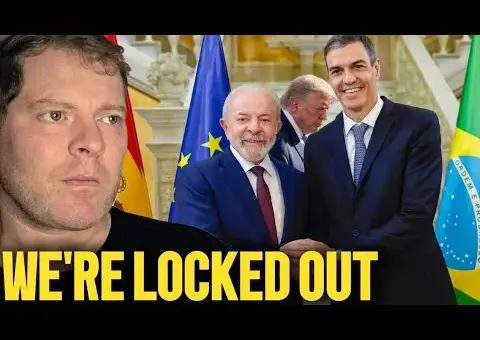
Spain and Latin American nations are forging new alliances, creating a united front against US global influence. This growing bloc, highlighted by a summit in Barcelona, seeks to reduce dependence on American policies and assert greater regional autonomy. The shift signals a changing world order where middle powers are consolidating economic leverage.
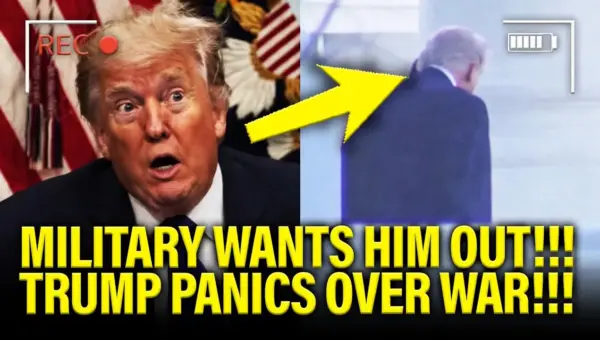
Military Leaders Try to Block Trump’s War Escalation
Military leaders are reportedly trying to sideline Donald Trump from war discussions due to his erratic behavior. Meanwhile, Trump issues escalating threats against Iran, while Iran rejects his claims and refuses to negotiate under current conditions. Upcoming talks in Pakistan face an uncertain future.