Trump DOJ’s Rule Change: Shielding Lawyers or Evading Accountability?
The Trump DOJ has proposed a new rule allowing it to primarily investigate its own attorneys for ethical violations, potentially bypassing state bar regulators. This move, seen by critics as an attempt to evade accountability, follows increased scrutiny of former administration lawyers.

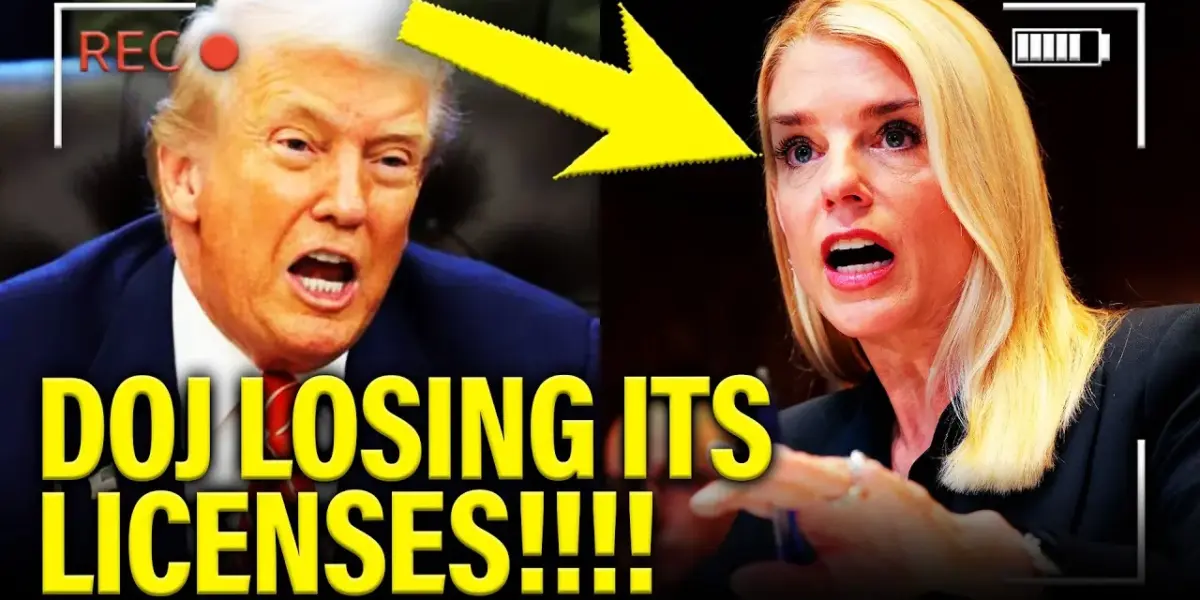
Trump DOJ’s Rule Change: Shielding Lawyers or Evading Accountability?
In a move that has raised eyebrows and sparked significant debate within legal and ethical circles, the Department of Justice (DOJ) under the Trump administration has proposed a new rule that could fundamentally alter the oversight of its attorneys. The proposed regulation, published in the Federal Register, aims to give the DOJ the primary authority to investigate and discipline its own lawyers for alleged ethical violations, potentially sidelining state bar regulators who traditionally hold this power.
The Core of the Controversy: Self-Policing or Evasion?
At the heart of this controversy is a proposed rule that would grant the DOJ the right to review any bar complaint or allegation against its current or former attorneys before a state disciplinary authority can proceed. The department would then have the option to request that the state bar suspend its investigation until the DOJ’s internal review is complete. This process, which could take up to a year, effectively creates a significant hurdle for state regulators seeking to hold DOJ lawyers accountable for their professional conduct.
The implications of such a rule are profound. State bar associations and courts have long been entrusted with the crucial responsibility of upholding legal ethics and ensuring that licensed attorneys meet and maintain professional standards.
This system relies on independent oversight to maintain public trust. Critics argue that allowing the DOJ to effectively pause or even preempt these investigations creates an inherent conflict of interest, essentially positioning the department as both the accused and the investigator.
Historical Context: A Tradition of State-Level Regulation
Practicing law in the United States is a privilege granted by the states. To be admitted to a state bar, individuals must pass rigorous examinations and undergo thorough background checks to demonstrate character and fitness.
This state-level regulation extends to federal practice, as most attorneys must be members of at least one state bar to be admitted to federal courts. Historically, when an attorney violates ethical rules, the bar association of the state where they are licensed, or the relevant court, is empowered to investigate and impose discipline, ranging from censure to disbarment.
The proposed DOJ rule represents a significant departure from this long-standing tradition. It suggests an attempt to centralize and control the disciplinary process for federal attorneys, particularly those associated with the Trump administration who have faced scrutiny for their actions. The timing of this proposal, as highlighted by critics, appears to be a direct response to increasing investigations into DOJ attorneys by state bar regulators.
The Case of Lindsey Halligan and Pam Bondi
The transcript points to the case of Lindsey Halligan, a former federal prosecutor, as a prime example of the situation the DOJ rule seeks to address. Halligan, who served briefly as U.S. Attorney for the Eastern District of Virginia, reportedly faced multiple judicial observations of ethical rule violations. After her departure from government service, she became the subject of a Florida bar investigation.
The Florida Bar had previously taken the position that it could not discipline federal attorneys while they remained in government service, a stance that critics found problematic. However, once Halligan was out of government, the door opened for state-level disciplinary action.
Similarly, Pam Bondi, a prominent figure within the Trump DOJ and a former Florida Attorney General, is also reportedly concerned about potential bar license repercussions. The proposed rule, in essence, would allow the DOJ to step in and potentially halt or delay state bar investigations into individuals like Bondi, even after they have left federal service, by initiating its own internal review.
Broader Implications for Legal Ethics and Accountability
The proposed rule raises serious questions about the independence of the legal profession and the mechanisms for ensuring accountability. If the DOJ can effectively shield its attorneys from external disciplinary action, it could create an environment where unethical behavior is tolerated or even encouraged, particularly when that behavior aligns with the administration’s objectives.
The argument that the DOJ should regulate itself is met with skepticism, given the potential for self-preservation to override genuine accountability. The very act of creating a rule to prevent external oversight is seen by many as an admission of guilt or, at the very least, a clear indication of a desire to avoid scrutiny. This move could set a dangerous precedent, suggesting that government attorneys are above the ethical standards applied to private practice lawyers.
The Future Outlook: A Legal Battle Looms?
The proposed rule is not yet final and is subject to public comment. It is highly probable that this initiative will face significant legal challenges from state bar associations, legal ethics organizations, and potentially other government entities. The core of these challenges would likely center on the DOJ’s authority to preempt or interfere with the established regulatory powers of state courts and bar associations.
The outcome of this proposed rule will have far-reaching consequences for the future of legal ethics and accountability within the federal government. It forces a critical examination of who polices the powerful and whether the pursuit of justice can truly be served when the guardians of the law are perceived to be operating beyond the reach of standard ethical oversight.
Why This Matters
This proposed DOJ rule is not merely a procedural change; it strikes at the heart of the legal profession’s integrity. The ability of state bars to investigate and discipline attorneys is a cornerstone of public trust. Allowing the DOJ to create a self-policing mechanism, especially in a climate where former administration lawyers and officials are facing numerous investigations, raises grave concerns about accountability.
If successful, this rule could embolden attorneys to engage in ethically questionable conduct, knowing that their primary recourse for discipline might be an internal DOJ review, rather than an independent state-level proceeding. This undermines the principle that no one is above the law, including those who enforce it.
Implications, Trends, and Future Outlook
The trend observed here is a potential consolidation of power and a move towards insulating government attorneys from external oversight. This could lead to a further erosion of public confidence in the justice system, particularly if high-profile cases of alleged misconduct by DOJ lawyers are effectively shielded from consequence.
The future outlook suggests a potential legal battle between federal authorities and state bar regulators, with the courts ultimately deciding the extent of the DOJ’s power in this domain. The outcome will set a precedent for how federal attorneys are held accountable for their professional conduct moving forward.
Source: Trump DOJ makes URGENT MOVE before LOSING ALL LICENSES!! (YouTube)

Related Articles
DOJ Moves to Erase Jan. 6 Convictions, Critics Cry ‘Rewriting History’
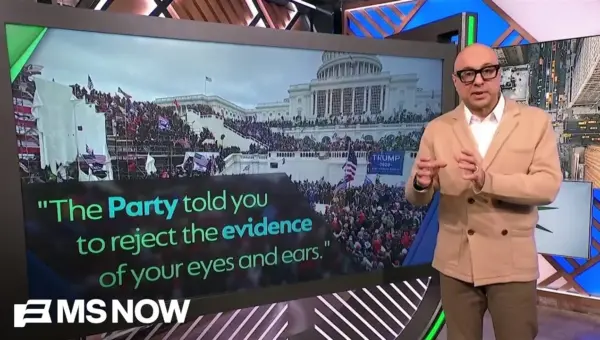
The Justice Department is asking a federal appeals court to erase the convictions of 12 leaders from the Proud Boys and Oath Keepers involved in the January 6th Capitol attack. Critics argue this move by the DOJ is an attempt to rewrite history and undo the findings of juries and judges. If successful, these individuals would regain rights like firearm ownership, further sparking debate over accountability for the events of January 6th.
Trump’s Chaotic Diplomacy Fuels Iran Tensions
Conflicting reports and last-minute changes surrounding JD Vance's role in Iran negotiations highlight the Trump administration's chaotic foreign policy. This pattern of escalating threats followed by claims of progress raises questions about U.S. credibility and the path toward stability.
Trump Culls Judges Over Israel Criticism Rulings
President Trump has fired six immigration judges, including two who refused to deport students for criticizing Israel. This action raises concerns about judicial independence and the potential for political influence in legal decisions.