Google & Epic Forge Alliance Post-Monopoly Battle
Google and Epic Games have surprised the tech world by announcing a settlement years after Epic's antitrust victory. The deal, which aims to lower app store fees and foster competition, faces judicial skepticism but signals a new direction for Android app distribution.

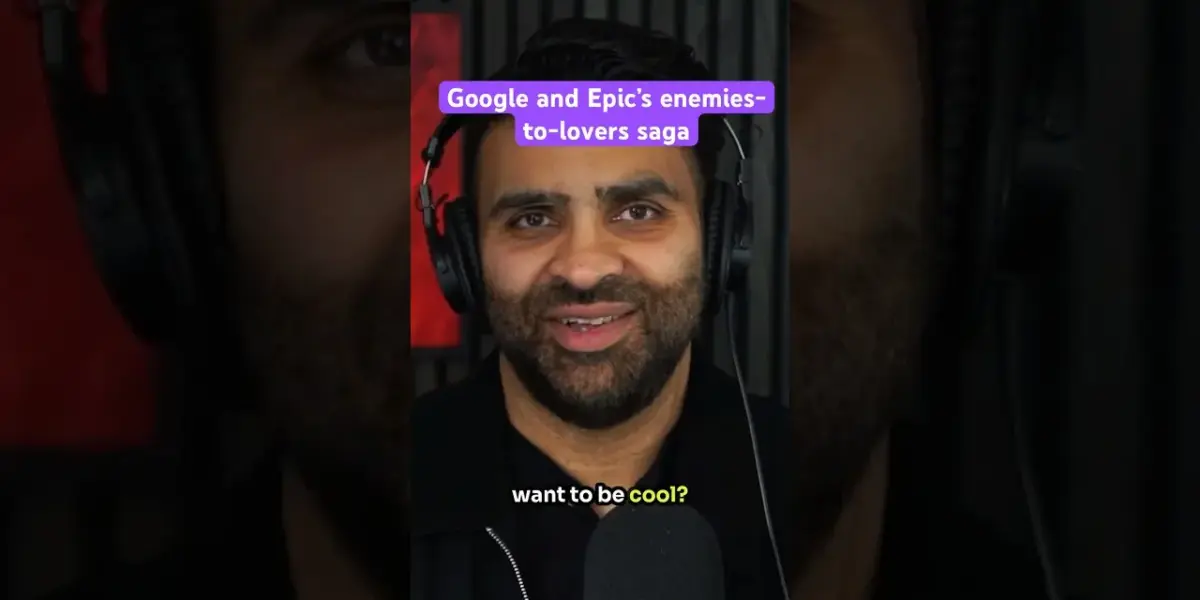
Google and Epic Strike Surprise Settlement, Shifting App Store Landscape
In a move that has stunned the tech world, Google and Epic Games have announced a surprising settlement, years after Epic’s unanimous jury victory against the search giant. This unexpected alliance comes at a time when companies typically would have finalized such agreements, leaving many to wonder about the motivations behind this late-stage reconciliation.
A Judge’s Skepticism and a Permanent Injunction
The backdrop to this settlement is a significant permanent injunction issued by the presiding judge. This injunction prohibits Google from engaging in practices that stifle competition, such as making secret deals to incentivize exclusive game releases on Android.
Google is mandated to create an environment where rival app stores can coexist within the Google Play Store. These rivals will be granted access to the full catalog of Google Play apps, theoretically enabling them to compete more effectively against Google’s established dominance.
The judge’s injunction aimed to dismantle Google’s perceived monopoly by fostering a more open ecosystem. The concept is akin to a host-and-carrier model, where other app stores could potentially break Google’s stranglehold on the Android market. However, with this new settlement, Google and Epic appear to be aligning their interests, a development that has been met with considerable skepticism from the judiciary.
Unveiling Secret Deals and Shifting Business Models
During a settlement hearing, the judge’s skepticism was palpable. Amidst this scrutiny, Epic CEO Tim Sweeney reportedly alluded to the existence of secret deals, further complicating the narrative. Now, it appears Google and Epic are joining forces to navigate the future of app distribution.
The two companies are moving forward with several proposed remedies that address the very monopolistic practices the judge sought to rectify. Among these changes are a reduction in app store fees, a move that would ostensibly benefit developers. Google has also stated its intention to decouple its billing fee from its service fee, a change that the company claims will be implemented globally.
Front-Running the Judge and Global Implications
This proactive approach by Google and Epic seems to be an attempt to preempt the judge’s final decision. By announcing these changes and framing them as a settlement, they appear to be presenting a fait accompli to the court.
The statement suggests a persuasive argument: “Judge, this has already happened. Don’t you want to be cool?”
However, in the United States, the settlement is contingent upon the judge’s approval. Until then, the legal proceedings are ongoing, and the full ramifications of this agreement remain uncertain. The global rollout of the decoupled billing and service fees, while announced, is still subject to the resolution of U.S. Legal matters.
Who Should Care and Why?
This development is crucial for several key players in the tech ecosystem. Developers, particularly mobile game developers, will be closely watching the impact of potentially lower app store fees and the increased possibility of alternative distribution channels. While the settlement might promise better terms, the long-term effects on market competition and revenue sharing remain to be seen.
Consumers might eventually benefit from a more competitive app marketplace, potentially leading to a wider variety of apps and services, and perhaps even more favorable pricing. However, the immediate impact on user experience is unclear.
Rival app stores and platforms have a vested interest in the outcome. The judge’s original injunction aimed to level the playing field, and this settlement, if approved, could either solidify or disrupt those efforts. The success of rival app stores operating within the Play Store will depend heavily on the specifics of implementation and Google’s ongoing adherence to the terms.
Google, despite its legal victory in this settlement, is still under intense regulatory scrutiny worldwide. This agreement is likely an attempt to regain some control over the narrative and proactively address antitrust concerns, albeit in a way that might not fully satisfy regulators or the courts.
Epic Games, having won a significant legal battle, now appears to be leveraging its position to negotiate a favorable outcome with Google. This settlement allows Epic to move forward with its own app store ambitions, potentially on more accommodating terms than if the legal battles had continued to their absolute conclusion.
The Road Ahead
The coming months will be critical as the judge reviews the proposed settlement. The tech industry will be observing closely to see if this alliance between former adversaries truly ushers in a new era of app store competition or if it represents a strategic maneuver to circumvent stricter regulatory oversight. The future of app distribution on Android, and potentially other platforms, hangs in the balance.
Source: The Verge’s Sean Hollister on Google and Epic’s enemies-to-lovers saga. #Vergecast (YouTube)

Related Articles

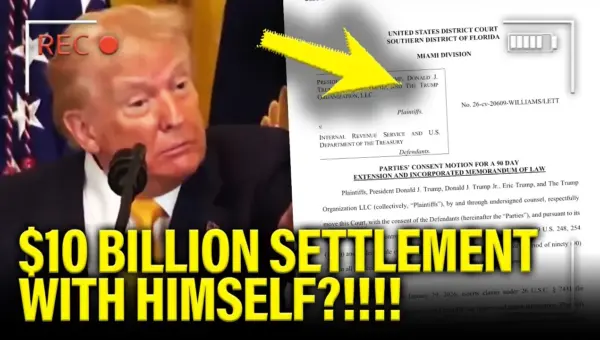
Trump’s $10 Billion Self-Settlement Plan Exposed
Donald Trump is seeking a $10 billion settlement from the IRS in a lawsuit he filed. The case, initially about a data breach, appears to be a personal negotiation. Experts question the legality and ethics of a leader suing his own government for such a sum.

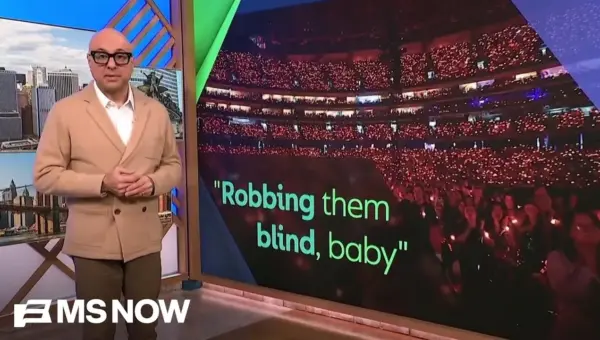
Jury Finds Live Nation Illegally Monopolized Ticket Market
A jury has found Live Nation and Ticketmaster guilty of violating antitrust laws, ruling they operated as an illegal monopoly. The verdict came after years of consumer complaints and revealed internal company messages mocking fans. The decision marks a significant shift in antitrust enforcement, with states stepping in where federal regulators previously settled.

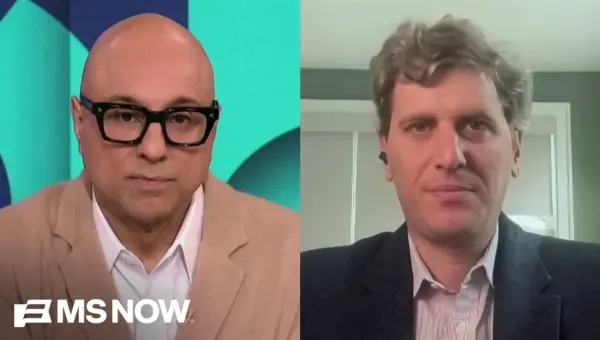
Jury Finds Live Nation Guilty: A Blow to Monopoly Power
A jury has found Live Nation guilty of monopolizing the live events industry, a decision Matt Stoller calls a "very big deal" and a sign of democratic pushback against corporate power. The verdict signals a potential end to an era of unchecked corporate behavior and may inspire further antitrust actions.