Iran Conflict Could Destabilize World for a Generation: Ex-BP CEO
Former BP CEO Lord Browne warns the current conflict could destabilize the global economy for a generation, particularly impacting energy markets. He stresses diversification and pragmatic energy policies, including reassessing North Sea extraction, to navigate the crisis.

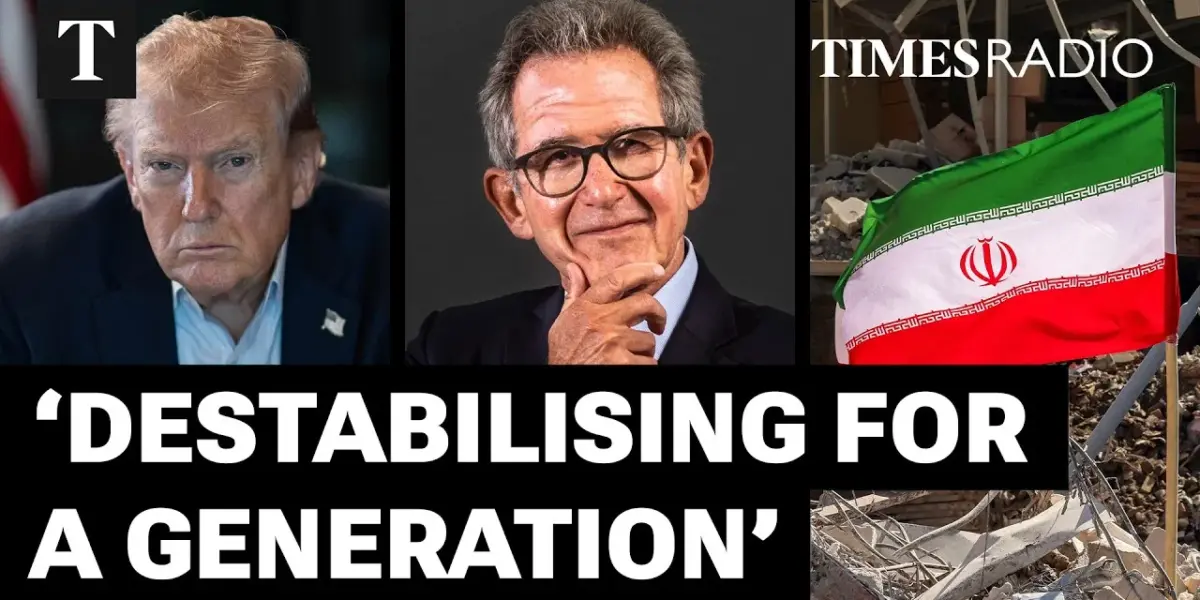
Global Economy Faces Generational Destabilization Amidst Iran Tensions
The escalating conflict involving Iran carries the potential to destabilize the global order for as long as a generation, according to Lord Browne, former CEO of BP. Speaking on a recent broadcast, Lord Browne warned that the repercussions of heightened tensions, particularly concerning energy supplies, could have profound and long-lasting economic consequences worldwide.
Energy Crisis Looms as Conflict Threatens Global Markets
The Qatar energy minister’s stark warning that the current conflict could “bring down the economies of the world” has been echoed by Lord Browne, who emphasized the critical role of energy security in global stability. “The world could,” he stated, “It depends on how long and how deep this interruption is.” The potential disruption to vital shipping lanes, such as the Strait of Hormuz, poses a significant threat to the flow of oil and gas, which are fundamental to the functioning of the global economy.
Oil vs. Gas: Understanding Market Vulnerabilities
Lord Browne differentiated between the impacts on oil and gas markets. While oil prices have seen an increase, they have remained below the $100 per barrel threshold, partly due to substantial global oil stocks held by nations, estimated to be around 60 days’ worth.
These reserves can act as a buffer against immediate supply interruptions. However, the situation for natural gas is far more precarious.
“There are no stocks of gas really,” Lord Browne explained. “So the moment you see an interruption then all gas prices in the world go up.” This lack of stored gas means that any disruption to supply can lead to immediate and significant price hikes globally. The United States, with its substantial domestic gas surplus, is largely insulated from these global price fluctuations, highlighting a growing disparity in energy security.
Diversification is Key: A Call for Balanced Energy Strategies
In response to the energy market vulnerabilities exposed by the conflict, Lord Browne advocated for a comprehensive and diversified energy strategy, drawing inspiration from Winston Churchill’s philosophy. “The only sense of security you get for with energy is diversification. You need everything,” he asserted.
This includes a broad portfolio of energy sources: “You need the ability to get oil, ability to get gas, renewables, nuclear, geothermal, and more exotic things in the future.” He also pointed to emerging technologies like converting vegetable oil into fuel and utilizing agricultural waste (biomass) as crucial components of a resilient energy future. The emphasis is on a balanced approach, integrating traditional sources with a robust push towards renewable energy and net-zero targets.
Balancing Net Zero with North Sea Pragmatism
Addressing the ongoing debate in the UK regarding energy policy, Lord Browne offered a nuanced perspective. While acknowledging the importance of pursuing renewables and achieving net-zero emissions, he also stressed the need for pragmatism regarding existing domestic resources. He suggested reconsidering the moratorium on extracting the “last drop” from the North Sea.
“The North Sea has been a great success story… But it is getting old,” he noted.
“Eking out what we’ve got at the moment is very important.” Lord Browne argued that given the world’s continued reliance on hydrocarbons, a balance must be struck. “We’re not going to replace hydrocarbons quickly, much as it would be a great idea to do that, but we have to be pragmatic and go with the flow.”
Geopolitical Implications: Russia’s Strategic Advantage
The conflict’s impact extends to the geopolitical landscape, potentially strengthening Russia’s position. Lord Browne observed that Russia stands to benefit significantly from increased oil and gas prices, which would add to its treasury. As one of the world’s top oil suppliers, alongside the US and Saudi Arabia, higher prices inevitably translate into increased revenue for Russia, especially when sanctions are eased, as seen with oil supplies to India.
“It’s but inevitable that oil prices will help them a lot,” he stated, while also noting the comparative advantage higher gas prices provide to the United States as a whole.
US Policy and Global Stability: A ‘Destabilizing’ Force?
Lord Browne expressed concern over the potential destabilizing effect of US foreign policy, particularly in the context of the current global unrest. Drawing parallels to past actions by great powers, he stated, “almost anyone who’s taking a a clear view about the relationship with his country and another country and has the great power then inevitably it is destabilizing.”
He further elaborated that the extent of this destabilization hinges on Iran’s reaction and the internal dynamics within the country. “There are plenty of factions that will come to bear and come to play over the next period,” he predicted. The broad sentiment is that current actions could lead to destabilization lasting for a generation.
UK Economic Response: Timing is Crucial
Lord Browne also provided advice for the UK government as it navigates the economic fallout. He cautioned against overreacting, emphasizing that the response should be measured and timely. “It’s a good idea to do not too much and not too little.
You have to sort of pick it right. So, you got to go step by step.”
The immediate impact on the UK will be felt in rising petrol and electricity prices, driven by the significant increase in natural gas prices, which are currently six times higher than in the US. This presents a “significant” impact on individuals and households.
He advised the Chancellor to be “generous” with support packages if necessary but stressed the importance of assessing the duration and severity of the crisis. “Be poised to act quickly if you need to,” he recommended.
Reflections on Lord Mandelson and Personal Experience
In a separate segment of the discussion, Lord Browne briefly addressed the emerging news surrounding Lord Mandelson’s links to Jeffrey Epstein. He expressed surprise at the revelations but deferred judgment to the ongoing legal process. When asked about sympathy, he reflected on his own public “outing” in 2007, noting that while he anticipated social exclusion, he found society to be more progressive in its attitudes towards sexuality than he had initially expected.
Looking Ahead: Navigating Uncertainty
The coming months will be critical in determining the long-term economic and geopolitical consequences of the current conflict. Markets will closely monitor supply-demand dynamics, the effectiveness of global energy reserves, and the diplomatic responses from key international players.
The UK government’s ability to balance domestic economic pressures with evolving global energy realities will be a key test. The broader implications for international relations and the potential for sustained regional instability will remain a paramount concern.
Source: US Action In Iran Likely To Be ‘Destabilising For A Generation’ | Lord Browne (YouTube)

Related Articles

Iran Conflict Looms: Congress Must Decide War’s Fate
The ongoing conflict in Iran raises questions about presidential authority and congressional duty. Experts express doubt about the current negotiations, while economic realities show a divide between Wall Street and Main Street. New political candidates are emerging with a focus on collaboration and service.


El-Sayed Blasts Trump’s Iran War: “How the Hell Did We Get Here?”
Progressive Senate candidate Abdul El-Sayed is challenging the status quo in Michigan with sharp critiques of U.S. foreign policy and the healthcare system. He questions the rationale behind the Iran conflict and advocates for Medicare for All, aiming to engage voters often left out of traditional politics.

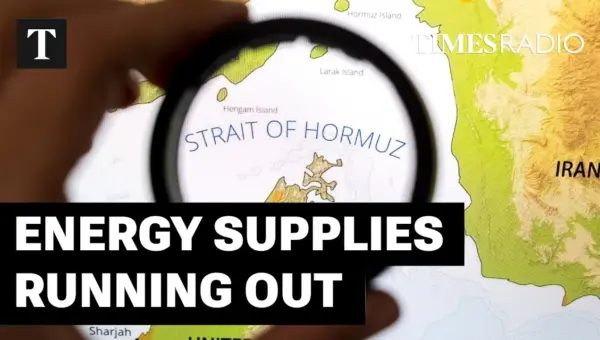
Strait of Hormuz Closure Threatens Global Energy Supply
Global energy supplies face critical shortages as the Strait of Hormuz remains closed following an attack on a cargo vessel. Economist Mohamed El-Erian warns that Asia is already experiencing severe energy problems, with Europe facing similar issues if the situation persists. The ongoing uncertainty also impacts global markets and businesses, highlighting the fragility of current supply chains.