Strait of Hormuz Closure Threatens Global Energy Supply
Global energy supplies face critical shortages as the Strait of Hormuz remains closed following an attack on a cargo vessel. Economist Mohamed El-Erian warns that Asia is already experiencing severe energy problems, with Europe facing similar issues if the situation persists. The ongoing uncertainty also impacts global markets and businesses, highlighting the fragility of current supply chains.

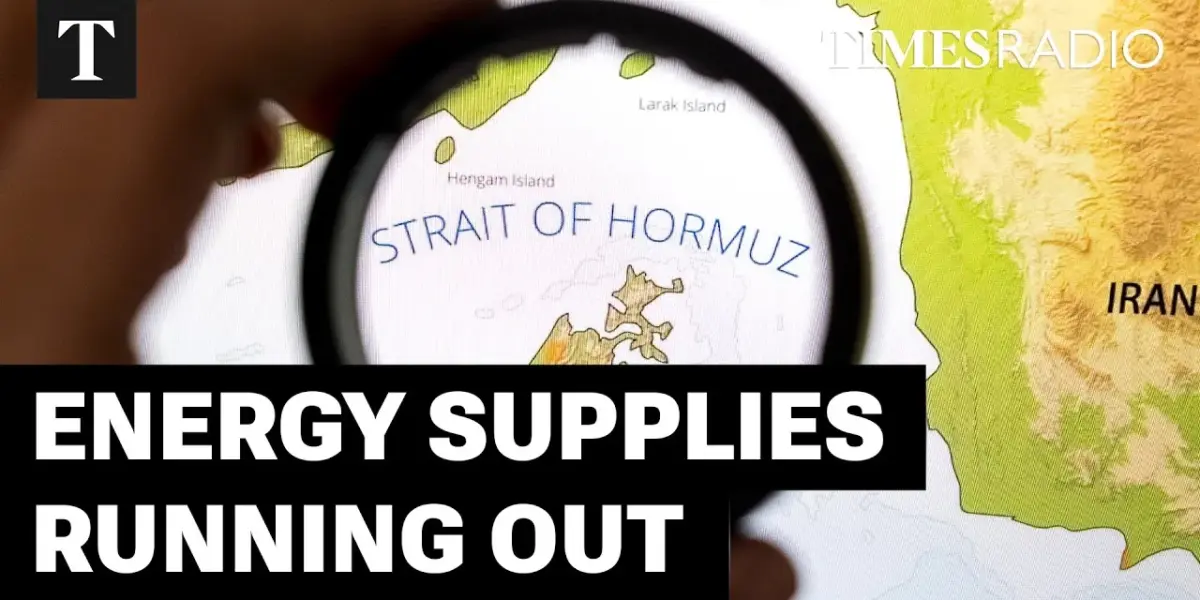
Global Energy at Risk as Strait of Hormuz Remains Closed
The vital Strait of Hormuz remains a focal point of global concern as its continued closure pushes nations closer to critical energy shortages. This situation poses a significant threat to international trade and economic stability, particularly for energy-dependent regions.
Vessel Attack Raises Tensions Near Key Waterway
Tensions escalated recently when a cargo vessel was attacked near the Strait of Hormuz, sustaining damage from an unknown projectile. The British military confirmed the incident, which occurred roughly 25 nautical miles off the coast of Oman. Gunfire was also reported earlier as at least two merchant ships attempted to pass through the waterway.
This event follows Iran’s brief reopening of the strait, which it quickly reversed, citing unmet U.S. obligations. President Donald Trump downplayed the significance of Iran’s actions, characterizing them as an attempt at “enforced regime change” and stating the U.S. would not be blackmailed.
Economist Warns of Escalating Crisis
Mohamed El-Erian, an Egyptian-American economist and former CEO of PIMCO, expressed deep concern over the developing situation. He highlighted two primary issues: the lack of de-escalation and the looming energy crisis.
“Instead of confidence building measures, both sides went backwards,” El-Erian stated, noting Iran’s decision to close the straits again after the U.S. refused to lift port blockades. This reversal halts any momentum toward reducing tensions.
Asia Faces Immediate Energy Shortages
The most immediate consequence of the closed strait is the depletion of energy supplies. “Every day this trade is closed, countries get closer to running out of physical supplies of energy,” El-Erian explained. Asia is already grappling with this problem.
Reports indicate Europe has only about six weeks of aviation fuel remaining. If the closure persists, El-Erian warned, “quantity rationing” is a certainty for Asia and could soon affect Europe as well.
Market Volatility and Business Uncertainty
The fluctuating status of the Strait of Hormuz has significant economic repercussions. Oil prices plummeted 10% when the strait briefly reopened, leading to lower borrowing costs and higher stock prices as markets anticipated a return to normalcy. However, El-Erian predicts a reversal of these gains if the markets were open today, with higher oil prices, increased borrowing costs, and falling equities.
This uncertainty makes planning difficult for businesses worldwide. “The reality on the ground is such that they get overwhelmed by the difficulty of a serious and sustained deescalation process,” he noted.
Rebuilding Supply Chains: A Slow Process
Restoring energy supplies to normal will take time, even if the shipping lanes reopen. El-Erian emphasized that restarting production at sites that have shut down due to lack of transport will take weeks. The price shock impacting energy costs is unlikely to disappear soon, carrying the risk of becoming a broader inflationary issue, as noted by Bank of England Governor Andrew Bailey.
Business confidence also needs time to recover, meaning a return to normalcy is not instantaneous. “It’s not like a light switch; we don’t switch it back on,” he said.
Rethinking Global Supply Chains
The recurring disruptions to global shipping routes, including the Suez Canal incident and attacks in the Red Sea, are prompting a serious reevaluation of supply chain reliance. El-Erian suggested that while countries and companies recognize the need for greater resilience, implementing changes is challenging.
Building alternative factories, finding labor, and the significant costs involved mean that rewiring supply chains takes time. “We’re going to remain very sensitive to shocks, and we are living in a world which… is subject to more frequent shocks and more violent shocks,” he stated.
Shift Towards ‘Managed Globalization’
The long-held belief in globalization and its benefits is being challenged by domestic politics and recent global events. El-Erian described a shift from a globalized system that promoted efficiency and reduced conflict to a state of “managed globalization light.” This move toward self-insurance rather than mutual insurance means countries are increasingly focused on securing their own supply chains and potentially rebuilding domestic manufacturing bases. This trend began with tariffs in 2017 and has been amplified by the COVID-19 pandemic and current geopolitical tensions.
Market Pressure on Political Decisions
El-Erian believes that market reactions will likely pressure President Trump to pursue a resolution with Iran before markets reopen. If a deal isn’t reached, he anticipates Trump will use “verbal intervention”—making reassuring statements about progress—to calm market anxieties.
Trump’s sensitivity to market performance, particularly the stock market’s record highs, suggests he will prioritize maintaining stability. “He will do what he can to try and maintain the markets in a good place,” El-Erian concluded.
Source: Countries Closer To Running Out Of Energy Supply As Strait Of Hormuz Stays Closed | Mohamed El-Erian (YouTube)

Related Articles

Iran Deal Collapse Fuels Oil Market Volatility
Initial optimism over an Iran deal sent oil prices tumbling, but the optimism was short-lived as the Strait of Hormuz was reportedly closed again. This volatility highlights the significant economic damage already done, with over 500 million barrels of oil lost from the global market and $50 billion in revenues disappearing. The crisis has drained oil inventories and created a supply shock that fuels inflation and complicates economic recovery.


Strait of Hormuz Reopens Amid Shifting Power Dynamics
The Strait of Hormuz has reportedly reopened, with President Trump claiming credit amid complex negotiations with Iran. Meanwhile, explosive allegations surface regarding FBI Director Cash Patel's conduct, and Defense Secretary Pete Hegseth faces ridicule for quoting Pulp Fiction at a prayer service. These events raise significant questions about leadership and stability within the administration.


Trump’s Catholic Allies Uneasy Over Pope Attacks
Donald Trump's recent attacks on Pope Francis have created discomfort among his Catholic allies, who feel "squeamish" about the rhetoric. Meanwhile, escalating tensions with Iran have led to the closure of the Strait of Hormuz, complicating ongoing peace talks and creating an unpredictable diplomatic landscape.