Canada Ascends: How US Foreign Policy Fuels a Northern Superpower
As the US navigates foreign conflicts and trade instability, Canada is strategically forging new alliances and trade agreements, positioning itself as a reliable economic superpower in North America. This analysis explores the implications of America's perceived erraticism and Canada's ascendance.

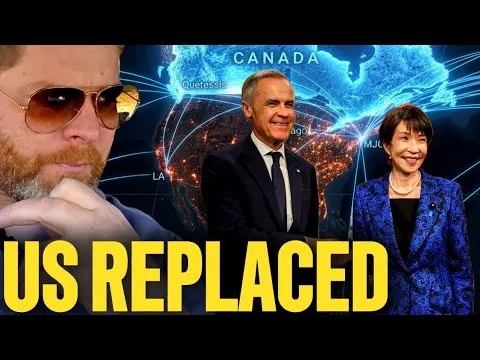
Canada’s Strategic Rise Amidst American Volatility
While the United States finds itself increasingly embroiled in complex geopolitical conflicts, particularly in the Middle East, its northern neighbor, Canada, is strategically positioning itself as a burgeoning superpower, especially in the realms of finance and trade. This shift, according to some analyses, is not merely a coincidence but a direct consequence of American foreign policy choices that have alienated allies and created global economic instability.
The American Diversion and Its Global Repercussions
The narrative presented suggests that the United States is currently channeling significant financial and military resources into conflicts in the Middle East. This focus, characterized as a “warlord” mentality, is seen as actively damaging global supply chains and contributing to a potential financial collapse. The argument posits that this diversion leaves America vulnerable on other fronts, particularly in its economic relationships with key international partners.
The transcript highlights that while America is engaged in what it terms a “new religious mandate” of “divine conquest,” the rest of the world perceives this as “outright fraud and an abuse in the trust of the American people.” This perception, it is argued, is causing nations to distance themselves from the U.S., leaving it increasingly isolated on the global stage.
Canada’s Diplomatic Offensive: Building Bridges, Not Wars
In stark contrast to the perceived American adventurism, Canada, under the guidance of figures like Mark Carney, is actively pursuing a strategy of alliance-building and trade expansion. Carney’s recent Indo-Pacific tour, encompassing visits to India, Australia, and Japan, is presented as a prime example of this proactive approach. This initiative aims not only to strengthen existing relationships but also to forge new trade agreements and secure Canada’s position within critical international frameworks like the G7 Critical Minerals Alliance.
The core of Canada’s strategy, as described, is to offer stability and reliability to trade partners that the U.S. has either “neglected or abandoned.” By emphasizing its vast natural resources – including lithium, nickel, and cobalt – and crucially, its commitment to avoiding new conflicts, Canada presents itself as a secure and attractive partner for long-term global trade.
The Macroeconomic End-Around: A Pattern of Erraticism
The analysis points to a series of Canadian trade agreements as evidence of a deliberate and effective “macroeconomic end-around” the United States. The finalization of a “massive strategic partnership with Japan” is juxtaposed with a U.S.-Japan trade agreement that has been “put on pause” due to the unpredictable nature of American trade policy, particularly under the influence of tariff debates. This erraticism, the transcript argues, makes the U.S. A “bottleneck” and an unreliable partner.
Canada’s earlier signing of a trilateral agreement with Australia and India is seen as part of a larger pattern. Ottawa’s ability to offer a stable alternative, acting as a “firewall” against the fallout from American volatility, is a key component of its growing influence. Canada’s consumer base and industrial capacity are positioned to offset the damages incurred by former U.S. Trade allies.
The Economic Fallout for America
The transcript warns of significant economic consequences for the United States as global capital seeks stability. When the U.S. is perceived as a source of global volatility, investment is expected to flow north into Canada, which is deemed the “safe bet” for the future of North American trade. This outflow of capital, or lack of incoming investment, is predicted to lead to a decline in American manufacturing and industry, resulting in job losses and a deterioration of the American standard of living.
The argument is made that the U.S. Administration’s focus on short-term news cycles and “legacy” over long-term stability is detrimental. The consequences of this approach are already being felt, with disruptions in the Middle East impacting global fuel supplies. The transcript asks what the consequences will be when the U.S. is “fully secluded from the global market.” By acting as a destabilizing force and an “active threat” to global trade routes, the U.S. is alienating its allies and jeopardizing its own economic future.
“When the United States becomes the primary source of global volatility, all that money runs north of our border into Canada because that is the safe bet. Canada as of right now is the safe bet for the future of global trade as far as the North American region goes.”
Historical Context and Future Outlook
Historically, the United States has been the undisputed economic and military superpower in North America. Its post-World War II role in establishing global economic institutions and security alliances cemented its position. However, the current geopolitical climate, characterized by a perceived shift towards isolationism and unilateral action, is challenging this long-held dominance.
The transcript suggests that the world is moving towards a “new world order,” and Canada is actively shaping its role within it. The U.S., by contrast, is seen as becoming increasingly isolated, with its allies questioning its reliability and its actions. The future outlook presented is one where Canada continues to gain influence and economic power, while the U.S. Faces potential decline due to its foreign policy decisions.
Why This Matters: The American Dilemma
The implications of this geopolitical and economic realignment are profound for the American populace. The transcript argues that the U.S. is “deprived of those things” that sustain its lifestyle, leading to “lifestyle crumble” and “skyrocketing prices.” The vulnerability of the average American, with limited savings and rising debt, is highlighted as a critical concern. The argument is made that the current administration’s policies are directly harming the “American people,” who will ultimately “pay the price.”
The piece calls for a fundamental change in U.S. leadership and policy, advocating for a return to global cooperation and stability. The choice, as framed, is between a “prosperous, globally connected United States” and a nation under “theocratic rule” that benefits only the elite. The urgency of the situation is emphasized, with the possibility of the “American experiment” being “done” if significant changes are not made.
Conclusion: A Shifting North American Landscape
The analysis concludes with a congratulatory note to Canada, suggesting it has won the “gold medal of geopolitics and diplomacy so far in the 21st century.” The broad message is that while the U.S. has been focused on external conflicts and internal divisions, Canada has been diligently building its economic and diplomatic power, setting itself up as the stable and reliable anchor for North America’s future in a volatile world. The consequences for the U.S. are dire if it does not recognize and alter its current trajectory.
Source: Canada Just Replaced the US as the North American Superpower (YouTube)

Related Articles
Iran Skips Peace Talks, Citing US Demands and Blockade
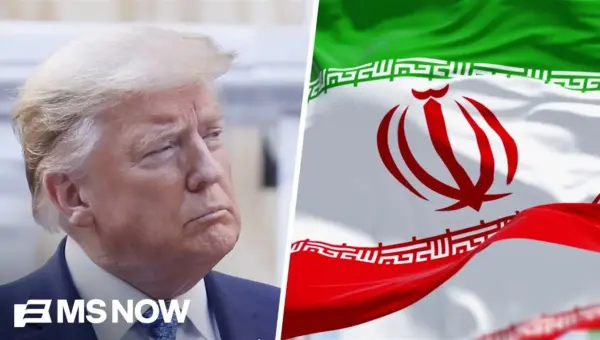
Iran has withdrawn from upcoming peace talks in Pakistan, citing unrealistic U.S. demands and an ongoing naval blockade in the Strait of Hormuz. The critical waterway remains closed, impacting global shipping. Tensions are high as the U.S. maintains a strong stance, raising concerns about potential attacks on civilian infrastructure.

Russia’s Economy Faces Deep Deficits
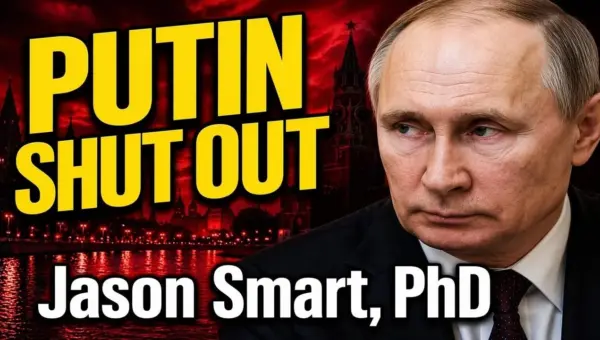
Russia's economy is facing severe deficits, with 83% of its regions in financial trouble by the end of 2025. Ukraine's targeted strikes on critical infrastructure are exacerbating these issues, disrupting oil revenues and increasing costs. Senior Kremlin officials are beginning to acknowledge the economic decline, indicating a difficult path ahead for the nation.

Mysterious Blasts Rock Iran Amid Escalating Tensions
Mysterious explosions continue to target critical sites in Iran, fueling fears of escalation amid stalled ceasefire talks. With Iran refusing negotiations and suspecting an imminent attack, and military airlifts ongoing, the region faces heightened tensions.