War, Economy Collide: Trump’s Bold Claims Face Harsh Realities
Amidst escalating conflict with Iran and a weakening U.S. economy, Donald Trump's calls for "unconditional surrender" clash with concerning job losses and surging oil prices. Differing interpretations of economic data and geopolitical complexities highlight a period of significant uncertainty.

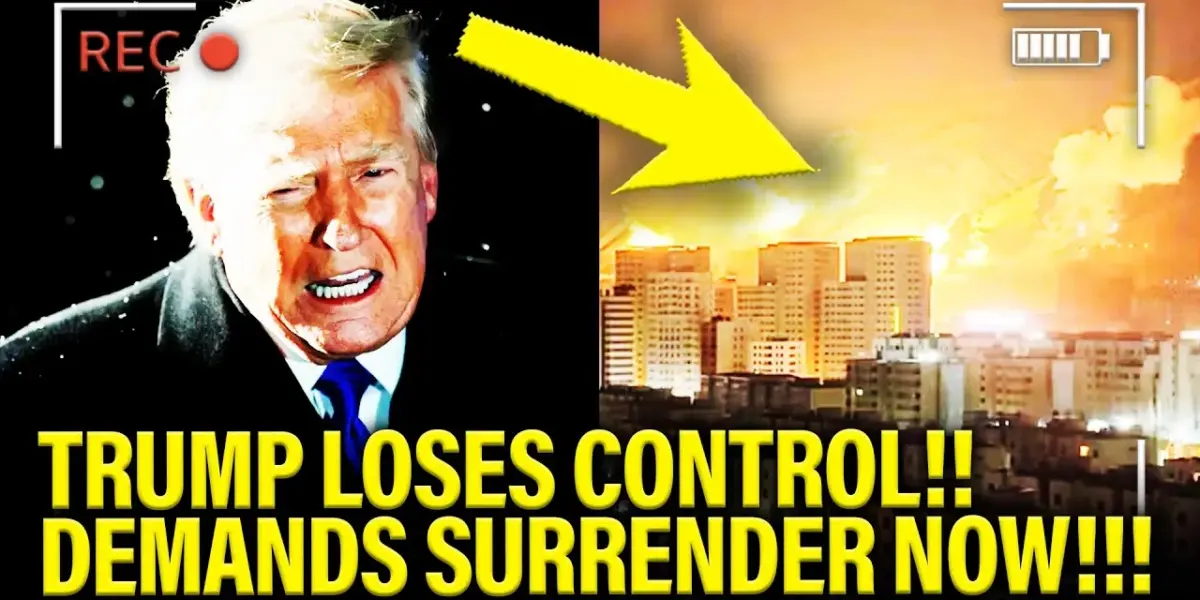
Trump’s Assertions Clash with Economic Downturn Amidst Global Conflict
In a period marked by escalating international tensions and a noticeable economic slowdown, former President Donald Trump has made a series of bold pronouncements regarding a conflict with Iran and the state of the U.S. economy. These statements, disseminated across social media and through interviews, paint a picture of decisive American strength and impending victory, even as a cascade of negative economic indicators and reports of escalating global instability suggest a far more complex and precarious reality.
Economic Headwinds and Job Market Weakness
The economic landscape described is one of significant challenge. Crude oil prices have surged past $90 a barrel, a development with far-reaching implications for inflation and consumer costs. Compounding these concerns, the U.S. economy unexpectedly shed 92,000 jobs in February, a stark contrast to the anticipated gain of 58,000.
This marks only the second monthly job loss since the 2020 pandemic, pushing the unemployment rate to 4.4%, above the projected 4.3%. These figures point to a weakening labor market, a trend that experts suggest is further exacerbated by a significant decrease in immigration, lowering the break-even employment threshold.
Trump’s Response: Unconditional Surrender and Social Media Distractions
Amidst this backdrop, Donald Trump’s public response has been characterized by a strong stance on Iran, calling for “unconditional surrender” and envisioning a revitalized Iran under new leadership. His social media activity, however, has also included a notable focus on attacking comedian Bill Maher, a juxtaposition of serious geopolitical matters with seemingly personal disputes.
In an interview with CNN’s Dana Bash, Trump rated the conflict with Iran a “12 or a 15 out of 10,” asserting that U.S. military operations were exceeding all expectations. He also expressed confidence in the imminent fall of Cuba, suggesting he would appoint Marco Rubio as Secretary of State there. Regarding rising gas prices, he dismissed concerns, predicting a swift return to lower prices.
He characterized Iran’s actions against other Gulf countries as a “terrible mistake” and praised the region’s overall performance. When discussing the future leadership of Iran, Trump indicated a preference for a leader who would treat the United States and Israel favorably, drawing a parallel to the situation in Venezuela. His policy positions on domestic issues, particularly his desire to include trans issues, voter ID, proof of citizenship, and restrictions on mail-in ballots and men in women’s sports within a “Save America Act,” were also highlighted.
Geopolitical Instability and Supply Chain Disruptions
The situation in the Middle East is particularly volatile. The Strait of Hormuz, a critical chokepoint for global oil shipments, is effectively closed, with reports of a ship being struck and set ablaze in the region.
The UK Maritime Trade Operations center issued an advisory regarding an attack on a tugboat near Oman. The U.S. Development Finance Corporation, tasked with providing insurance for vessels in the Strait of Hormuz, reportedly lacks the necessary funds to underwrite the required policies, a situation that would necessitate an act of Congress.
Adding to the complexity, intelligence reports suggest Russia is providing Iran with vital intelligence on U.S. Assets in the Middle East, a “comprehensive effort” that contradicts statements from U.S. officials downplaying the influence of Russia and China in the conflict. Intelligence indicates China may be preparing to offer financial assistance, spare parts, and missile components to Iran.
Differing Interpretations of Economic Data
The stark economic realities are met with differing interpretations from surrogates and media outlets. Kevin Hassett, a former economic advisor, has characterized the negative job numbers as expected and consistent with broader economic trends, attributing some of the surprise to factors like weather and labor strikes. Similarly, segments on Fox News have downplayed the dismal jobs report, citing adverse weather conditions in February as a primary reason for the downturn, while also highlighting strong retail sales and historically low unemployment rates.
Conversely, other analyses, including those from economists like Heather Long, point to a broader pattern of firms not hiring amidst uncertainty, a return to higher unemployment rates since 2021, and particular struggles for young workers and minorities. The report also notes the personal controversies surrounding Labor Secretary Lori Chavez-Der, including allegations of misconduct and her husband’s ban from the Labor building due to sexual harassment accusations, adding another layer of concern regarding the administration’s stability.
The Role of Media and Public Perception
The media’s role in framing these events is evident. While some outlets focus on the negative economic data and the escalating conflict, others, including those aligned with the Trump administration, have worked to contextualize or downplay these issues, attributing them to external factors like weather or temporary disruptions. The narrative surrounding the war and the economy appears to be a key battleground, with differing interpretations shaping public perception.
Why This Matters
The confluence of a volatile geopolitical situation, particularly the escalating conflict involving Iran and its potential to disrupt global energy markets, and a weakening U.S. economy presents a critical juncture. Trump’s assertive rhetoric, while appealing to his base, stands in stark contrast to the complex on-the-ground realities and the potential for widespread economic fallout. The divergence in interpretations of economic data highlights the challenge of forming a clear consensus on the nation’s economic health.
The involvement of Russia and China in supporting Iran adds another layer of geopolitical complexity, raising concerns about a wider regional or even global conflict. The ability of the U.S. To navigate these intertwined crises will significantly impact its economic stability, international standing, and the daily lives of its citizens.
Implications, Trends, and Future Outlook
The current trajectory suggests a period of heightened economic uncertainty and geopolitical risk. The surge in oil prices, if sustained, could trigger a broader inflationary spiral, impacting everything from consumer spending to business investment. The weakening labor market, coupled with potential supply chain disruptions stemming from the conflict in the Middle East, could lead to a significant economic slowdown.
The increasing involvement of major global powers like Russia and China in regional conflicts signals a potential shift in the geopolitical landscape, with implications for international trade and security. The effectiveness of the current administration’s response, both domestically and internationally, will be crucial in mitigating these risks and charting a path toward stability. The upcoming period will likely see continued debate over economic policy, the management of international conflicts, and the role of the United States on the global stage.
Historical Context
The current tensions echo historical patterns of geopolitical instability and its impact on global energy markets. The Strait of Hormuz has long been a focal point of international concern, with past disruptions leading to significant price volatility. The involvement of major powers in regional conflicts also has historical precedents, often leading to prolonged periods of tension and economic strain.
The economic performance during the Biden administration, characterized by consistent job growth, is contrasted with periods of job losses under previous administrations, highlighting the cyclical nature of economic cycles and the impact of policy decisions. The ongoing conflict in the Middle East, with its deep historical roots, continues to be a significant factor in global stability and economic forecasting.
Source: Trump LOSES IT as WAR CRASHES TERM..CALLS FOR SURRENDER!! (YouTube)

Related Articles

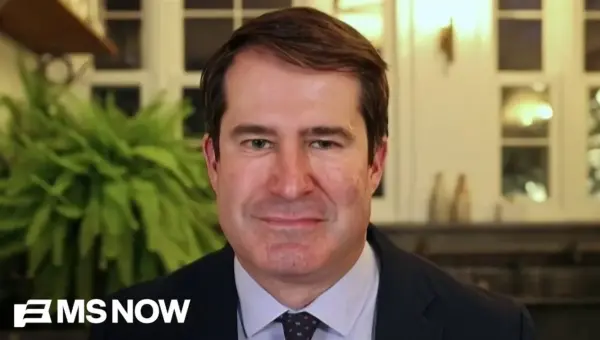
Trump’s Iran Threats Spark GOP Concern, War Powers Debate
A U.S. Navy destroyer fired on an Iranian cargo ship amid heightened tensions, just hours after President Trump issued a stark warning to Iran. The incident and Trump's aggressive rhetoric have fueled growing concern in Congress, with some Republicans signaling a willingness to curb the president's war powers. Congressman Seth Moulton criticized Trump's threats as 'unhinged' and discussed broader issues of trust in government.

Markets Dip Amidst Iran Tensions; Goldman Sees Opportunity
Global markets dipped as U.S.-Iran tensions flared after the U.S. Navy boarded an Iranian ship. Despite the geopolitical concerns, Goldman Sachs notes continued investor positioning and strong AI sector performance, suggesting potential for further market upside. The situation with Iran remains a key factor to monitor.


Stocks Hit Record Highs Amid Geopolitical Fears
Stock markets are reaching record highs, but low trading volumes and geopolitical tensions in the Middle East are raising concerns. Meanwhile, the crypto space faces risks from major hacks and DeFi protocol vulnerabilities, prompting caution among investors and traders.