Iran War Erupts: Supreme Leader’s Death Signals Republic’s End?
The assassination of Iran's Supreme Leader, Ayatollah Ali Khamenei, has triggered a regional crisis and sparked speculation about the future of the Islamic Republic. The strike, a joint effort by US intelligence and Israel, has created a power vacuum and presented Iran's military elite with a stark choice.

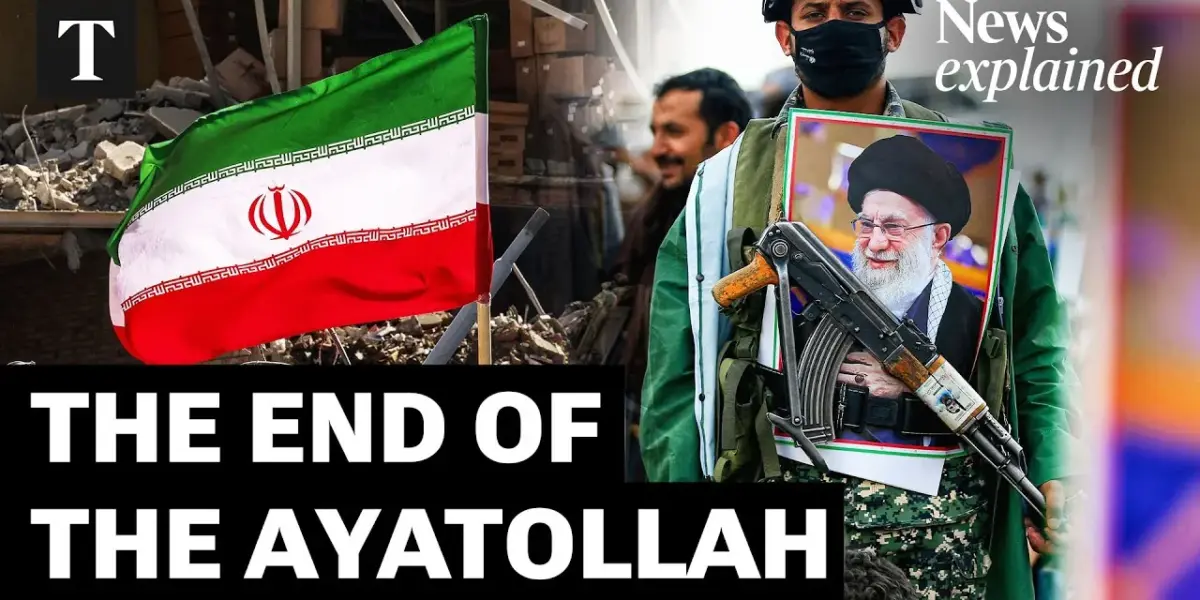
Iran Leader Assassinated, Triggering Regional Crisis
The Supreme Leader of Iran, Ayatollah Ali Khamenei, has been killed in a targeted strike, an event that has plunged the Middle East into a state of profound uncertainty and signaled a potential death knell for the Islamic Republic. The assassination, a culmination of sharp U.S. intelligence cooperation with Israel, occurred during the initial wave of attacks aimed at crippling Iran’s military infrastructure. While the immediate effectiveness of these strikes on Iran’s missile sites remains unclear, the death of Khamenei marks a key moment, potentially ushering in a decade of significant upheaval across the region.
The Rise and Fall of a Supreme Leader
Ayatollah Ali Khamenei assumed the role of Supreme Leader in 1989, succeeding the more charismatic Ayatollah Ruhollah Khomeini. His ascension came at a critical juncture for Iran, a nation still reeling from a costly war with Iraq. In an effort to project stability and security, Khamenei was granted expanded powers over the military and security apparatus, heading a new national security council.
The intention was to reassure the Iranian populace, but the complex and overlapping roles of spiritual guardian and state builder ultimately proved to be the Islamic Republic’s undoing. The symbiotic relationship between Khamenei and the Islamic Revolutionary Guard Corps (IRGC) fostered a toxic environment that extended beyond Iran’s borders.
A Complicating Religious Element in Geopolitics
Khamenei’s influence transcended national boundaries, commanding significant religious authority for millions of Shia Muslims globally. He represented religious legitimacy and ideological certainty for followers in Iraq, Lebanon, the Gulf states, and South Asia.
Consequently, his death has injected a potent religious dimension into the geopolitical conflict, transforming it from a matter of deterrence to one centered on identity, faith, and retribution. This was underscored by Iranian President Peshkan’s call for revenge, not through limited strikes, but through actions designed to ignite the wider region.
The Supreme Leader, who perished along with family members and military commanders, has been posthumously declared a martyr. This designation is a potent symbol, potentially inspiring further acts of violence, whether independent or orchestrated. The assassination has, paradoxically, created a political vacuum that could allow for the long-desired changes within Iran, but achieving this will be a complex and protracted process.
Opposition Unites: A Glimmer of Hope for Democracy?
For genuine change to materialize, Iran’s fractured opposition must coalesce around a unified platform. Encouragingly, there appear to be significant overlaps between the proposed manifestos of Reza Pahlavi, the exiled son of the Shah, and Maryam Rajavi, the exiled president-elect of the National Council of Resistance. While Rajavi remains critical of what she terms “monarchical fascism” seeking to usurp the democratic revolution, both figures advocate for secular governance, youth engagement, enhanced women’s rights, and critically, the disarmament of the IRGC and its paramilitary forces as a foundational step.
The once seemingly utopian goal of a democratic transition, achieved through a monitored political process leading to free elections for a constitutional assembly, now appears closer to realization. However, its success hinges on a fundamental shift within the IRGC.
The organization must relinquish its self-perception as the legitimate instrument of an all-powerful theocracy—a notion that enabled widespread corruption and enrichment, even amidst Western sanctions. Khamenei’s demise in the rubble of his bunker has shattered this assumption, but the crucial question remains: are the IRGC commanders prepared to cede their power and privilege?
A Stark Choice for the IRGC
While the Iranian regime has not yet collapsed, its chains of command have been severely disrupted. This critical juncture presents IRGC officers with an unavoidable choice.
They must decide whether to abandon a dysfunctional establishment that has provided them with a comfortable life built on violence, or to feign normalcy and await a new democratic order that will likely hold them accountable. The military actions initiated by President Trump have, perhaps unintentionally, crystallized this stark choice, forcing a reckoning within the heart of Iran’s security apparatus.
Looking Ahead: The Path to a New Iran
The coming months will be crucial in determining the future trajectory of Iran and the broader Middle East. The focus will be on the IRGC’s response, the ability of the opposition to forge a united front, and the international community’s role in supporting a peaceful transition. The potential for prolonged instability and regional conflict remains high, but the assassination of Ayatollah Khamenei has undeniably opened a new, albeit perilous, chapter in Iran’s history, one that could ultimately lead to the end of the Islamic Republic and the dawn of a democratic era.
Source: Will The Iran War End The Islamic Republic? (YouTube)

Related Articles


Iran Tensions Flare as US Seizes Ship; Polls Show Trump Approval Drop
Tensions between the U.S. and Iran escalated this weekend as American forces seized an Iranian-flagged cargo ship. The incident adds new uncertainty to upcoming peace talks and comes as President Trump's approval rating drops to a new low. Meanwhile, a tragic mass shooting in Louisiana left eight children dead, and unseasonably cold weather brought snow and frost to parts of the U.S.

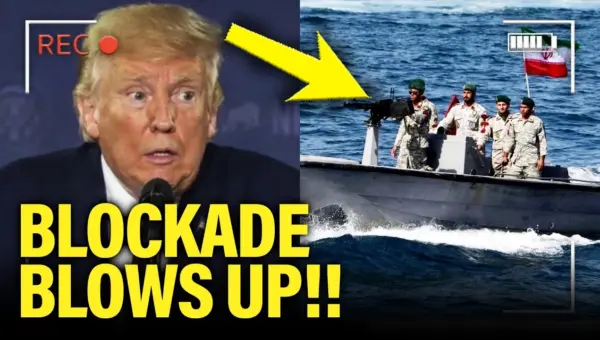
Iran Escalates Tensions, Threatens Global Oil Shock
Tensions flare in the Persian Gulf as Iran vows retaliation after a U.S. Navy interdiction of an Iranian ship. The incident has sent oil prices soaring and jeopardized diplomatic talks, with Iran accusing the U.S. of piracy and escalating aggression.
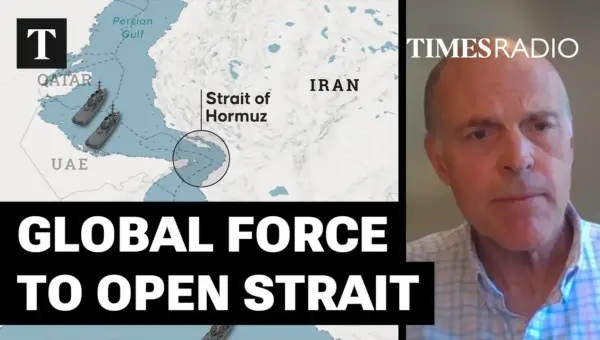
International Force Needed to Keep Strait of Hormuz Open
Vice Admiral Duncan Potts advocates for an international force to secure the Strait of Hormuz after a recent US seizure of an Iranian ship. Citing lessons from anti-piracy efforts, he argues a coalition is vital to maintain open passage through this critical global waterway. The move aims to prevent any single nation from controlling this essential trade route.