Iran Strikes Neighbors as Conflict Escalates; US Faces Criticism
Iran has intensified retaliatory strikes against neighboring countries and Israel, with Qatar reporting intercepted missiles and Israel confirming incoming attacks. Analysts question US war objectives and exit strategy amidst escalating regional instability and concerns over international law.

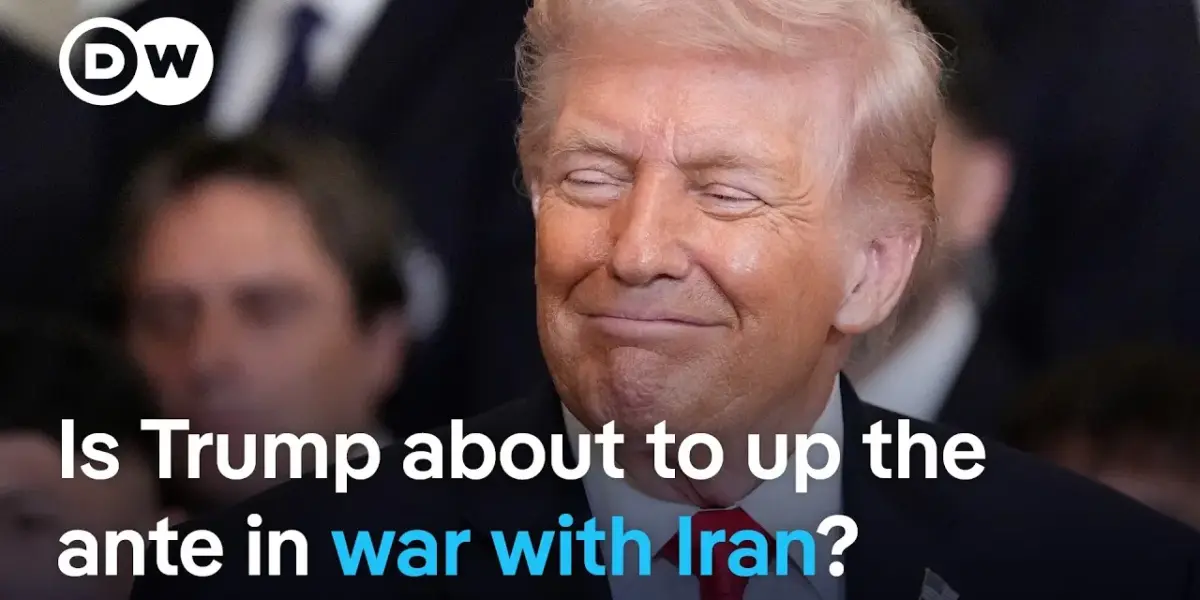
Iran Escalates Attacks on Neighbors Amidst US-Israeli Offensive
In a rapidly developing conflict, Iran has intensified its retaliatory strikes against neighboring countries and Israel, six days after the initial US-Israeli attacks began. The capital of Qatar, Doha, became a focal point as its defense ministry confirmed efforts to intercept incoming missiles and drones, though plumes of black smoke were visible above the city. Israel also reported multiple incoming attacks, with emergency services responding to a projectile impact near Tel Aviv.
The Iranian Veterans Foundation reported a significant death toll, stating that 1,230 people have been killed as a result of the US and Israeli attacks. Meanwhile, in a bid to strengthen regional defenses, Britain announced it is deploying four additional Typhoon fighter jets to Qatar, augmenting an existing squadron already stationed in the Gulf state to counter Iranian aerial threats. This escalation follows a recent incident where an Iranian drone struck the Royal Air Force base on Akrotiri in Cyprus.
Analysts Question US War Objectives and Exit Strategy
Jasmine Elgamal, a Middle East policy analyst and founder of Avaros Strategies, previously an advisor to the Pentagon, expressed concerns regarding the current trajectory of the conflict. Speaking to DW News, Elgamal highlighted the difficulty the US administration faces in justifying the war to the American public, Congress, and allies, citing a lack of clearly defined objectives and an exit plan.
“In classified briefings to Congress, senators who have been in those briefings have said that they are very worried… And they did not answer any of those questions.”
Elgamal noted that the damage is escalating rapidly, with reports of strikes against allies, six US troops killed, over a thousand Iranians killed, other civilian casualties in the region, and tens of thousands displaced within Iran and Lebanon. She fears the US is poised for further escalation without a clear endgame, increasing the risk of uncontrolled escalation in the coming days and weeks.
Divergent Aims: Israel vs. United States
Addressing the nature of the conflict as a joint US-Israeli operation, Elgamal clarified that the two nations do not share identical objectives. She stated that the Israeli prime minister’s long-standing goal of regime change in Iran remains clear, a position he has reportedly advocated for months to US presidents.
In contrast, US objectives appear less defined. Elgamal described the evolving US stance, initially framed as a regime change operation by former President Trump, to a current objective of weakening the Iranian regime, aiming for a compliant, demilitarized state that poses no threat to the US or its regional allies.
Uncertainty Surrounds Reports of CIA Arming Kurdish Forces
Reports suggesting the CIA is in communication with Kurdish forces in northern Iraq to arm them against the Iranian regime have been met with skepticism. Elgamal advised caution regarding these claims, which first emerged in the Israeli press and were subsequently denied by various parties, including the White House, the Iraqi government, and the Kurdistan Regional Government (KRG).
The KRG has explicitly stated its disinterest in being drawn into the conflict, fearing Iranian retaliation on Iraqi soil. Elgamal warned against accepting all emerging information at face value, emphasizing the prevalence of disinformation and information warfare in the current climate. She acknowledged that such an operation, if true, would be disastrous and add another layer of risk by potentially fomenting internal unrest within Iran.
Critique of War Powers and International Law
Drawing on her experience as a civil servant at the Pentagon, Elgamal critiqued the apparent lack of foresight regarding post-conflict scenarios, a pattern observed in previous interventions like the Gulf Wars and Gaza.
She pointed to a breakdown in the system of checks and balances within the US political system, noting that the current president, not facing re-election and with congressional support, may be less constrained in his decision-making. The recent failure of a War Powers Resolution in Congress, due to insufficient Republican opposition, was cited as an example.
Elgamal highlighted the erosion of international law and the laws of armed conflict, referencing the war in Gaza as a precedent where international norms have been significantly violated with minimal repercussions from international bodies. This, she suggested, has created an environment where such military actions are more likely to occur.
Potential Scenarios for Conflict’s End
Looking ahead, Elgamal outlined several potential scenarios for the conflict’s resolution, none of which appear overtly positive. One scenario involves a protracted war of attrition, where Iran, supported by its hardline elements like the IRGC and regional proxies, increases the cost for the US, Israel, and allied Gulf nations. This could lead to disrupted global trade, rising oil prices, and further opportunities for miscalculation and conflict.
Another possibility is the appointment of a new supreme leader in Iran who is even more hardline, potentially leading to continued Iranian aggression. Elgamal cautioned that even if the current clerical leadership is removed, widespread chaos and a protracted civil war could ensue before any form of stable governance emerges.
Looking Ahead
As the conflict intensifies, global attention remains fixed on the escalating tensions in the Middle East. The effectiveness of defensive measures in Qatar and Israel, coupled with Britain’s increased military presence, will be crucial in the immediate term. Meanwhile, the strategic objectives of the US and Israel, and their ability to articulate a clear path towards de-escalation and stability, will heavily influence the long-term implications for the region and international security.
Source: Iran continues striking neighboring countries with Doha in the firing line | DW News (YouTube)

Related Articles
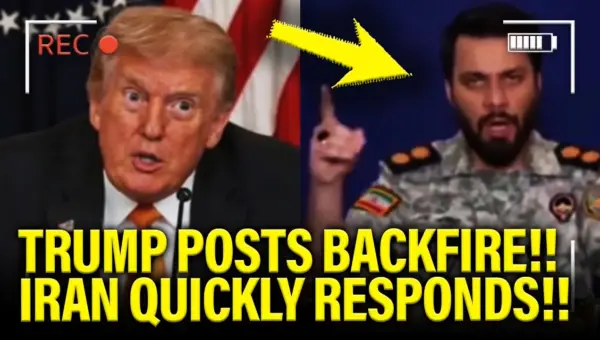
Trump’s Iran Claims Fizzle Amidst Reality Check
Donald Trump's announcement of a deal to open the Strait of Hormuz has been met with skepticism, as evidence suggests the situation remains under Iranian control. Shipping data and Iranian officials contradict claims of a fully open passage, raising questions about misinformation and market manipulation.


Navy Commander Exposes Trump’s Blockade Plan as Fatal Flaw
A former Navy planner criticizes Trump's naval blockade of Iran as an illegal act of war. The strategy lacks authorization, undermines ceasefires, and risks global economic shock. It also strains U.S. military resources and offers no clear exit strategy.

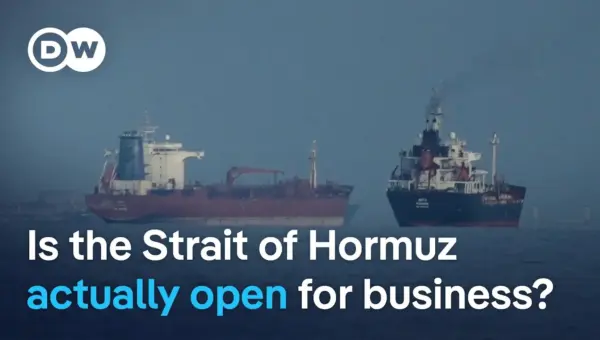
Strait of Hormuz Reopens: Global Oil Prices Drop, But Crisis Lingers
The Strait of Hormuz has reopened, causing oil prices to drop and markets to rally. However, experts caution that a full resolution to the global energy crisis is still distant due to lingering uncertainties, infrastructure damage, and ongoing geopolitical risks. Countries are now focusing on long-term preparedness through diversification and international cooperation.