US Rethinks Iran Strategy Amid Escalating Regional Conflict
The U.S. is reportedly gaining air superiority over Iran amidst escalating regional conflict, prompting a critical reassessment of its strategic goals. As military operations continue, questions arise about the definition of success, potential regime change, and the long-term stability of the Middle East.

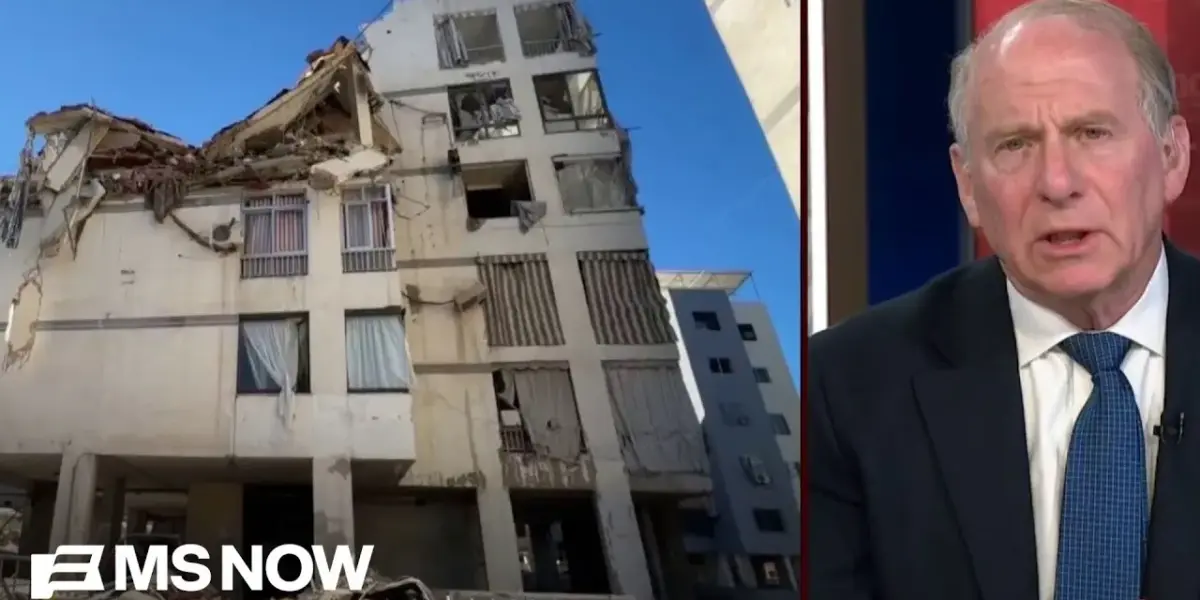
US Reassesses Goals in Iran Amidst Escalating Regional Tensions
In a significant shift in the ongoing conflict with Iran, the United States and its allies are reportedly gaining control of the skies over Iranian territory, with a new wave of strikes targeting the capital and nearly 2,000 sites across the country. Pentagon officials indicate that the military operations are just beginning, even as the conflict expands beyond Iran’s borders into neighboring countries and the Indian Ocean. This evolving situation has prompted critical discussions among U.S. officials and regional leaders about the definition of success and the long-term implications of the military engagement.
Shifting Dynamics on the Ground
Recent reports suggest a notable decrease in missile launches into the region, attributed to both Iran’s depletion of its arsenal and the effectiveness of U.S. and Israeli strikes targeting launch sites. This development has led to a cautious optimism among some observers, though uncertainty about the ultimate outcome remains high.
The conflict has spread, with reports of Iranian actions targeting Kurdish groups in northern Iraq, air raid sirens sounding across Israel, and a drone being destroyed along the Saudi Arabia-Jordan border. Further incidents include an Iranian attack off the coast of Kuwait and the evacuation of an area near the U.S. Embassy in Doha, Qatar, alongside a U.S. Torpedo strike off the coast of Sri Lanka.
“The attitude far different today than it was even 3, 4, 5 days ago… The number of kind of missiles coming into the area are going down… Because Iran is using a lot of their missiles and target the launchers and much of their weaponry but also because Israel and the United States have been very effective at targeting the launchers.”
The Challenge of “War Termination”
As the military operations intensify, a crucial question emerges: what constitutes the end of this conflict? Experts emphasize the need to pivot towards defining criteria for “war termination,” signaling to both Israel and Iran when the objectives have been met.
The narrative from some U.S. officials, suggesting operations are “just getting started,” contrasts with concerns about depleting vital weapons stocks, particularly air defense systems, which are also needed for contingencies in Taiwan and Ukraine. This raises the prospect of hitting diminishing returns against Iran, necessitating a re-evaluation of U.S. Objectives.
Redefining Success: Beyond Regime Change
A central debate revolves around the U.S. Definition of success. Should the goal remain profound regime change in Iran, or should the U.S. Be prepared to coexist with a clerical leadership, albeit one with its nuclear program constrained?
This re-evaluation may even require reopening negotiations that preceded the conflict, addressing issues such as nuclear proliferation and the potential easing of economic sanctions. Drawing parallels to the post-invasion chaos in Iraq following de-Ba’athification, policymakers are wary of repeating past mistakes that led to prolonged instability.
“At some point we hit diminishing returns against Iran. And I think we’re going to have to think about our definition for success. Do we walk back this idea of a profound regime change?
Are we prepared to live with an Iran that still has security, clerical leadership? What are we prepared to accept in the nuclear file?”
Shifting Justifications and Congressional Scrutiny
The justifications for the military intervention have faced scrutiny, with conflicting narratives emerging regarding the imminence of Iran’s nuclear capabilities. While some officials claim Iran was weeks away from a nuclear weapon, intelligence assessments suggest this was not the case.
This has led to a bipartisan push in Congress for a War Powers Resolution, aiming to limit the executive branch’s authority for further military entanglement. However, these efforts have faced significant opposition, highlighting the deep political divisions surrounding the conflict.
The Road Ahead: Uncertainty and Potential Outcomes
The path forward remains muddled, with no clear plan articulated for the post-conflict phase. The expansion of the conflict, including missile incidents involving NATO defenses and naval engagements, indicates that hostilities show no signs of abating.
While some regional neighbors express relief at the reduced missile activity, the broader conflict continues to escalate. The potential for a post-conflict landscape that could be “worse than what came before” looms large, highlighting the urgent need for strategic clarity and a well-defined off-ramp.
Looking Forward
As the situation in the Gulf continues to develop, the focus will remain on the U.S. Ability to define and achieve its objectives in Iran. The coming weeks will be critical in determining whether diplomatic channels can be reopened, if a sustainable political transition within Iran is possible, and how the international community will navigate the complex geopolitical landscape. The U.S. and its allies face the immense challenge of charting a course that avoids further escalation while addressing the underlying security concerns in the region.
Source: Richard Haass: The U.S. will have to think about its definition of success in Iran (YouTube)

Related Articles


Trump Claims Credit for Ceasefire He Helped Create
Former President Donald Trump is claiming credit for brokering ceasefires in Lebanon and Iran, but critics argue his policies fueled these conflicts. Analyst Chris Hayes describes this as Trump's tendency to create the 'worst possible sustainable equilibrium.' The situations in both countries have led to significant loss of life and widespread instability, with lasting economic consequences.


Middle East Ceasefire Holds, US Economy Faces Inflation
A fragile ceasefire has been reached between Israel and Lebanon following weeks of conflict, with the U.S. playing a mediating role. Domestically, the U.S. economy faces rising inflation and consumer prices, while Congress grapples with surveillance authority and the Department of Homeland Security sees leadership changes. The nation is also experiencing extreme weather contrasts, from severe storms to unseasonable heat.

Iran Nuclear Talks: Can a Deal End Decades of Conflict?
Negotiations between the U.S., Israel, and Iran are underway amidst a fragile ceasefire, with the U.S. and Israel demanding the dismantling of Iran's nuclear and missile programs. Experts highlight the difficulty in resolving decades of conflict, noting that while a comprehensive peace is unlikely, concrete steps to manage differences may be possible.