China’s Psychiatric Hospitals: A Nightmare of Fraud, Abuse, and Neglect Exposed
An undercover investigation has exposed widespread fraud and abuse within China's psychiatric hospitals. The report details how vulnerable individuals are allegedly lured into facilities, exploited for financial gain, and subjected to inhumane conditions, including physical abuse and forced labor. Authorities have launched probes, but the official conclusions have been met with skepticism, raising concerns about systemic cover-ups.

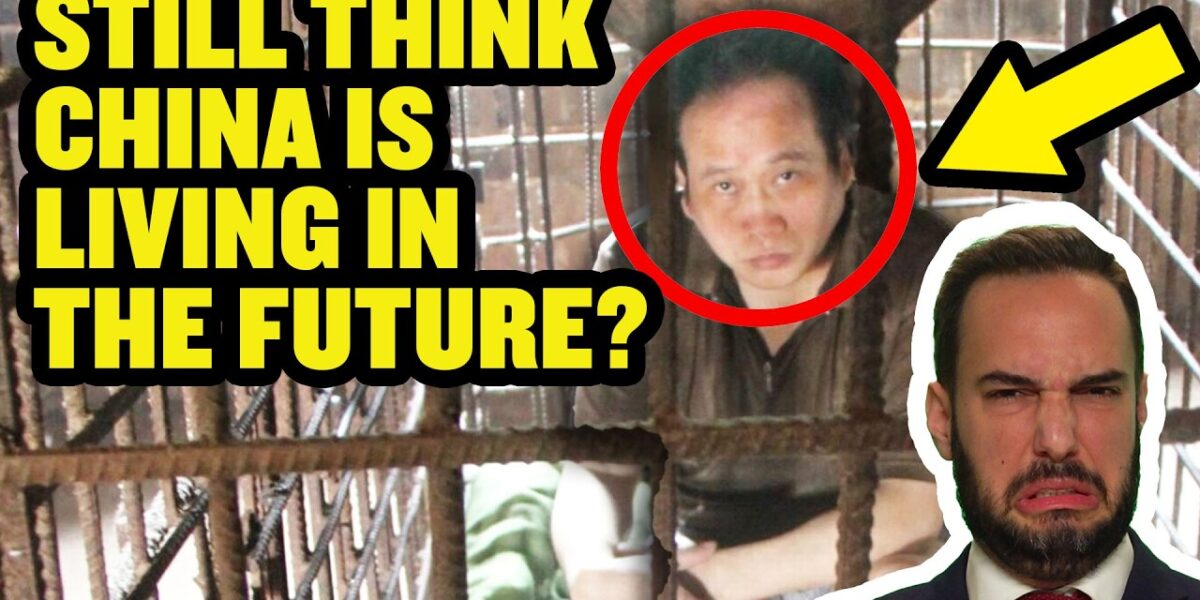
Investigative Report Uncovers Widespread Abuses in Chinese Psychiatric Facilities
A recent exposé has cast a dark shadow over China’s healthcare system, revealing a deeply disturbing landscape within its psychiatric hospitals. Far from the utopian medical paradise often portrayed by state-sponsored propaganda, these institutions are allegedly rife with fraud, patient abuse, and systemic neglect. An investigative journalist, working undercover, has brought to light a shocking scheme where vulnerable individuals, including the elderly and poor, are allegedly lured into psychiatric facilities under false pretenses, only to be exploited for financial gain and subjected to inhumane conditions.
The Lure of “Free” Care: A Deceptive Trap
The investigation, spearheaded by Chinese journalist Han Fu, paints a grim picture of how private psychiatric hospitals in Hubei province allegedly operate. According to Han’s findings, these facilities actively recruited individuals, particularly from rural areas, with promises of free medical care, living expenses, and even transportation. This seemingly benevolent offer, however, masked a sinister agenda. The report suggests that the primary motivation behind this outreach was not patient welfare, but the fraudulent acquisition of government funds. By inflating patient numbers and fabricating diagnoses, the hospitals aimed to maximize their financial returns, regardless of the actual medical needs of those admitted.
Exploitation Within the Walls: Patients as Laborers and Pawns
The undercover investigation revealed a disturbing subversion of roles within these hospitals. Staff members, including nurses, caregivers, and security guards, were allegedly registered as patients, blurring the lines between those providing care and those receiving it. More alarmingly, patients themselves were reportedly tasked with essential hospital duties. This included menial labor such as washing dishes, cleaning wards and toilets, carrying supplies, and even tending to other patients. This exploitation not only stripped patients of their dignity but also served to reduce the hospitals’ operational costs, further enhancing their fraudulent profits.
The report further details how perfectly healthy individuals were allegedly admitted and subsequently diagnosed with mental illnesses. This practice, driven by the desire to maintain a high patient count, suggests a systematic manipulation of the diagnostic process. The goal, as described in the exposé, was to keep as many patients as possible within the hospital’s system for as long as possible, thereby ensuring a continuous flow of government funds. This strategy bears a chilling resemblance to exploitative business models, prioritizing financial gain over ethical patient care.
Isolation and Control: Severing Ties with the Outside World
To maintain their grip on patients and prevent external scrutiny, the hospitals allegedly employed tactics of isolation and control. Patients were reportedly forced to surrender their mobile phones, and visitors were warned against assisting them in communicating with the outside world. This deliberate severing of ties with family and friends served to prevent patients from seeking help or exposing the alleged abuses. The duration of these involuntary stays was reportedly extensive, with some patients remaining hospitalized for eight to nine years. This prolonged confinement, coupled with the difficulty of obtaining discharge, created a sense of perpetual imprisonment for many.
To circumvent potential audits and maintain the illusion of patient turnover, the hospitals allegedly engaged in a deceptive practice of periodic discharges and immediate readmissions. One documented case involved a patient who was purportedly discharged and readmitted on the same day multiple times over a six-month period, despite never having left the hospital. This elaborate ruse was designed to obscure the true length of patient stays and mask the ongoing fraud.
Physical and Psychological Abuse: A Brutal Reality
The exposé does not shy away from detailing the brutal conditions faced by patients. Han Fu reportedly witnessed medical staff engaging in physical abuse, including slapping, kicking, and beating patients with water pipes. This violence was reportedly not an isolated incident but a pervasive aspect of the hospital environment. A male nurse, in an act of chilling candor, allegedly admitted that disobedience would inevitably lead to a beating. Specific instances cited include a nurse kicking and repeatedly slapping a patient for refusing to take a nap, and another patient being restrained to a bed for talking back to medical staff.
The reasons for restraint were reportedly arbitrary and inhumane, ranging from minor insubordination to simply crossing medical staff. One patient allegedly endured being tied to a bed for three consecutive days and nights for similar offenses. The psychological toll of such experiences is immense. One patient, hospitalized for five years, reportedly likened the experience to serving a prison sentence, expressing a preference for jail where beatings for minor infractions were not a daily reality.
Tragic Consequences: Deaths and Deterioration
The consequences of this alleged systemic failure have been tragic. Elderly patients reportedly died due to health complications exacerbated by their inability to be discharged. In one harrowing account, a patient with no prior history of mental illness allegedly committed suicide due to the unbearable conditions, with hospital staff remaining silent about the circumstances. The report suggests that the conditions within these hospitals often led to a deterioration of patients’ mental and physical health. One individual’s sister reportedly became bedridden after her condition worsened during her hospitalization.
Official Response and Lingering Questions
Following the viral spread of some of these stories, Chinese authorities reportedly launched probes into the mental hospitals. While acknowledging widespread medical fraud and prolonged hospitalizations, their conclusions were met with skepticism. The authorities reportedly maintained that hospitals did not admit patients without pre-existing mental disorders, a finding that directly contradicts the core allegations of the scheme. This official stance has raised questions about the thoroughness and impartiality of the investigations.
Hu Xijin, former editor-in-chief of the state-run Global Times, acknowledged Han Fu’s reporting but also called for journalists to exercise extreme caution and conduct extensive verification for significant accusations. This reaction has been interpreted by some as an attempt to downplay the severity of the scandal and protect the image of the Chinese Communist Party (CCP). The CCP, it is argued, has a vested interest in suppressing such scandals, as they expose the systemic flaws within Chinese institutions and can undermine public trust in the government’s competence and legitimacy.
The CCP’s Role and the Broader Implications
The exposé raises profound questions about the CCP’s complicity and its broader approach to social issues. Critics argue that the CCP’s primary concern is maintaining control and suppressing information that could tarnish its image. Rather than addressing problems transparently, the party is accused of cracking down on whistleblowers and journalists who investigate scandals ranging from school bullying to mysterious celebrity deaths. The report suggests that the CCP’s own actions, particularly its historical use of psychiatric institutions to silence dissidents, provide a disturbing precedent for the abuses now allegedly occurring in these private hospitals.
The article concludes with a stark warning: the CCP itself is presented as the ultimate scammer, perpetuating false narratives about China’s progress and institutions. The narrative of China as a “medical paradise” is contrasted with the grim reality of “slaughterhouses” that have a higher mortality rate than fictional villains. The piece emphasizes the importance of public awareness, particularly in countering the CCP’s propaganda and preventing individuals from falling victim to its deceptive claims. The author stresses the need for continued independent reporting to expose these truths, highlighting that such work is only possible with public support.
Source: This Episode is Literally INSANE (YouTube)

Related Articles


Disgraced Lawyer’s Early Release Sparks Outrage
Disgraced lawyer Michael Avenatti, once a media darling, has been released early from prison to a halfway house. Convicted of fraud and extortion, his early freedom sparks debate about public perception and justice.


DOJ Cracks Down on $1 Trillion Fraud Spree
The Justice Department is intensifying its efforts to combat fraud in government programs, targeting an estimated $1 trillion in misused funds. Recent cases highlight significant losses in areas like insurance and Medicaid, fueling public anger over wasteful spending. This crackdown signals a push for greater fiscal accountability.


DOJ Declares War on Fraudsters Stealing Billions
The Justice Department has launched its most aggressive anti-fraud crackdown in U.S. history, aiming to recover billions stolen by criminals. A new national division and 93 additional prosecutors will target increasingly sophisticated schemes, with early actions already recovering over half a billion dollars.