Ukrainians Use Humor to Cope with Middle East Conflict
Ukrainians have responded to the latest Middle East escalation with humor, turning to memes as a survival skill honed by years of war. This coping mechanism highlights their resilience amidst global panic and their unique perspective shaped by ongoing conflict.

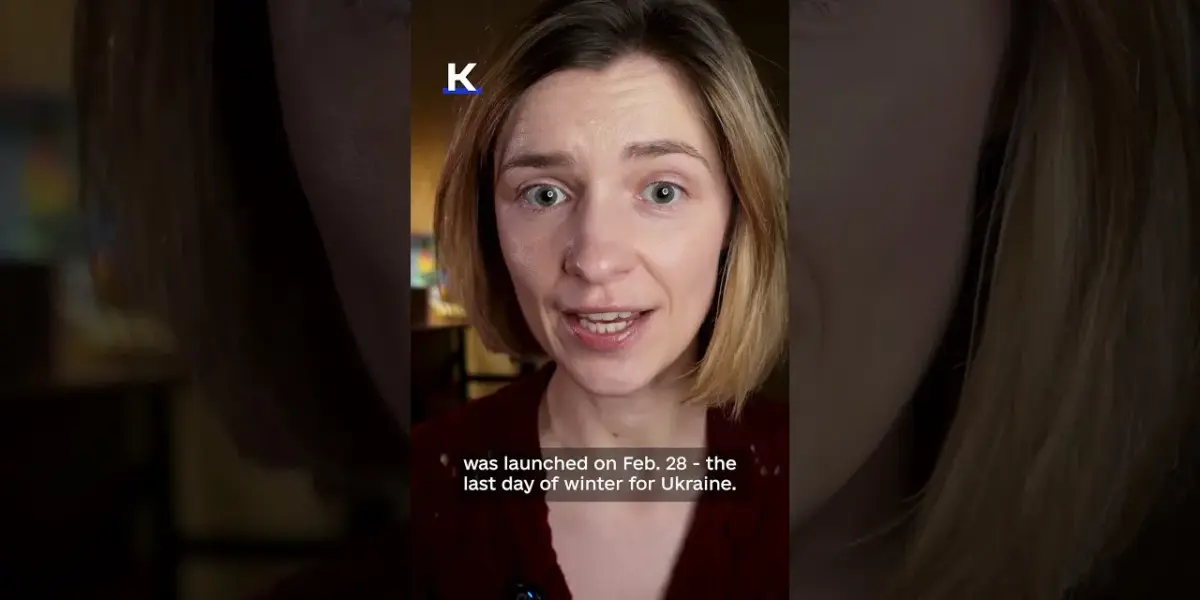
Ukrainians Find Humor Amidst Middle East Tensions
While much of the world reacted with alarm to the recent escalation in the Middle East, including attacks on Iran by the US and Israel on February 28th, Ukrainians responded with a familiar coping mechanism: humor. In the face of ongoing war, the ability to find levity has become a vital survival skill for Ukrainians, transforming even dire news into material for memes.
The Resilience of Ukrainian Humor
For Ukrainians, humor is more than just entertainment; it’s a deeply ingrained response to the trauma of war. Following major Russian strikes, as the immediate danger subsides and air raid sirens fall silent, the creation and sharing of memes begin. This phenomenon was particularly evident in the reaction to the latest Middle East escalation, demonstrating a resilience honed by years of conflict.
Meme 1: Spring’s Arrival vs. Global Panic
One widely shared meme juxtaposed global panic with Ukrainian relief. It read: “World War II is coming. People are panicking.
Explosions in Bahrain, Qatar, Israel, the UAE. Meanwhile, Ukrainians, spring is coming and the electricity is back.” This sentiment, while seemingly jarring, highlights the immediate realities faced by Ukrainians.
The attack on Iran occurred on February 28th, the final day of winter for Ukraine – a winter marked by severe blackouts that left many without electricity and heating for extended periods, sometimes in freezing temperatures. The prospect of spring, and the return of reliable power, offered a deeply personal moment of relief, overshadowing even distant international crises.
Meme 2: NATO’s Evolving Role
Another meme reflected on the shifting global dynamics and Ukraine’s evolving role in international security: “2022 Ukraine. NATO closed the sky over Ukraine. 2026 NATO Ukraine closed the sky.” This meme points to the stark contrast between the early days of Russia’s full-scale invasion in 2022, when desperate pleas for NATO to secure Ukrainian airspace were widespread, and the present.
It references recent statements by UK Prime Minister Keir Starmer, who suggested that Ukrainian expertise could be shared with Gulf partners to help defend against Iranian drones. This highlights Ukraine’s transformation from a recipient of aid to a nation possessing critical, hard-won expertise in air defense, particularly against Iranian-designed Shahed drones, which have been a persistent threat.
“You see, Ukraine has spent nearly four years under Russian attacks using Iranian designed shahad drones. It has tested various kinds of air defense measures and is now, without exaggeration, the world’s leading expert on defending against shahads.”
The meme’s foresight, projecting a scenario in 2026, highlights the long-term impact of the war and Ukraine’s significant contributions to global defense strategies. The image of Shahed drones, often depicted in formations, is a grim reminder of the ongoing aerial threat, even as Ukrainians find dark humor in their proliferation and the potential for international collaboration in countering them.
Meme 3: The Art of Laughing to Avoid Crying
The third meme alluded to a poignant line from Lesya Ukrainka, a renowned Ukrainian poet, which translates to “I laughed so I wouldn’t cry.” This quote encapsulates the essence of Ukrainian resilience. Faced with relentless aggression and the constant threat of destruction, laughter becomes a form of defiance, a way to process grief and maintain sanity. It suggests that Ukrainians have become, in a very real sense, world experts at this particular form of emotional survival.
Broader Implications and Future Outlook
The Ukrainian reaction to the Middle East escalation is a powerful testament to the human capacity for resilience in the face of adversity. It illustrates how prolonged exposure to conflict can fundamentally alter one’s perspective, leading to the development of unique coping mechanisms.
As the global geopolitical landscape continues to shift, Ukraine’s experience offers valuable insights into the psychological impact of war and the enduring power of humor as a tool for survival and resistance. The ongoing developments in the Middle East, coupled with the persistent conflict in Ukraine, suggest that the need for such resilience, and perhaps even such dark humor, will unfortunately remain relevant for the foreseeable future.
Source: How Ukrainians reacted to the latest Middle East escalation (YouTube)

Related Articles

Trump Announces Israel-Lebanon Ceasefire Amid Rising Tensions
President Trump announced a new ceasefire agreement between Israel and Hezbollah, set to take effect immediately. The truce aims to de-escalate weeks of heavy fighting. The announcement comes as a US oil deal nears expiration, and global economic concerns, including rising gas prices, persist.
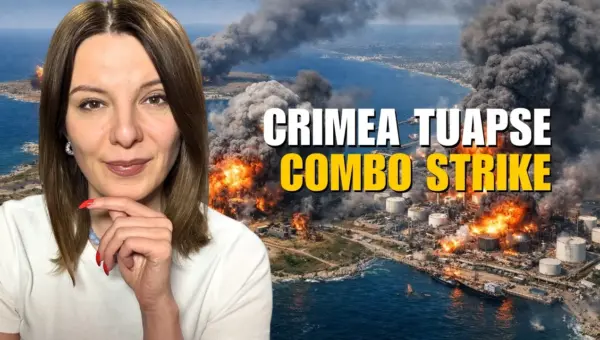
Ukraine Strikes Russian Oil Hubs, Crimea Bases
Ukraine has successfully targeted four major Russian oil export terminals and 16 military sites in Crimea using drones. The strikes aim to disrupt Russia's war funding and degrade its military capabilities, including air defenses and missile arsenals. Officials highlight the strategic importance of these operations in weakening Russia's war machine.
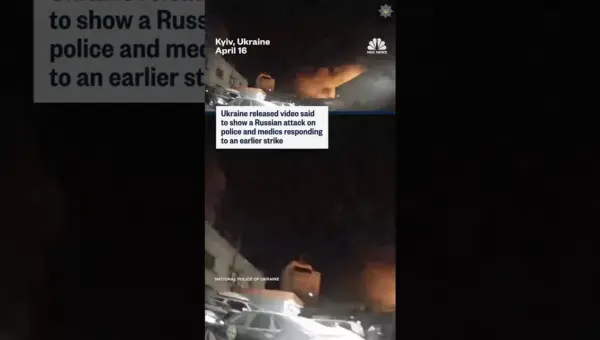
Ukraine Releases Video of Alleged Russian Strike on Responders
Ukraine released video footage appearing to show Russian forces targeting emergency workers who were responding to an earlier strike. The video captures a drone dropping a projectile near a group of police and medics. This alleged act raises concerns about violations of international humanitarian law.