Russia’s Oil Price War Strategy Crumbles Amidst Global Instability
Russia's oil price war strategy is faltering as global market instability and targeted actions drive down its revenues. Disruptions in key shipping lanes and increased sanctions are forcing Moscow to offer steep discounts, while internal dissent grows. The economic pressure poses a significant threat to Vladimir Putin's regime.

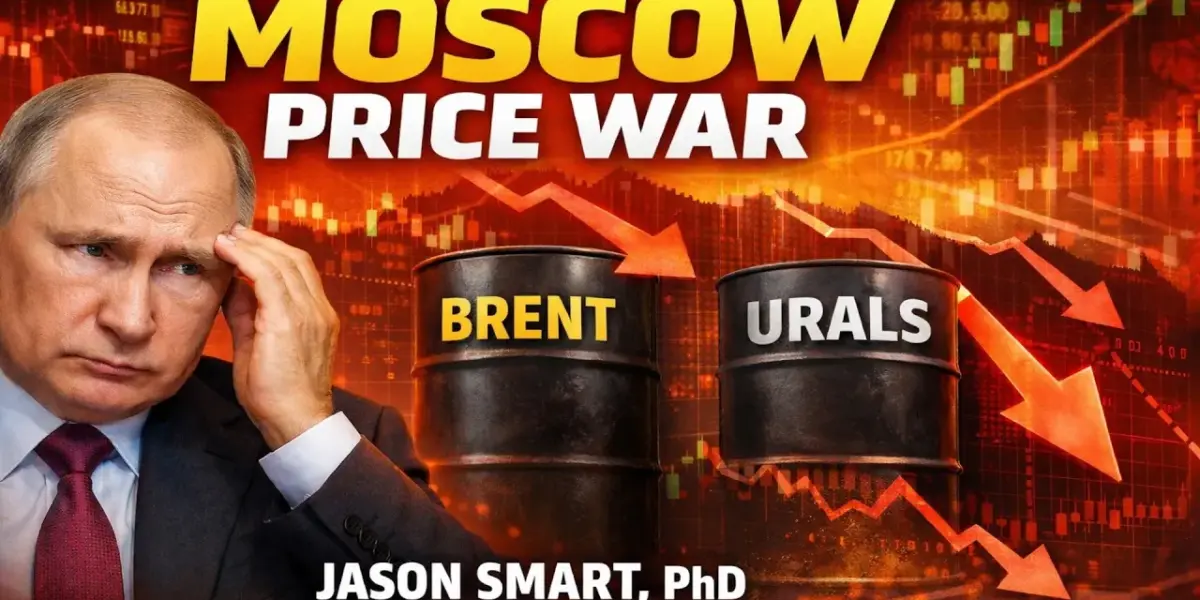
Russia Faces Economic Nightmare as Oil Price War Strategy Backfires
Moscow is currently navigating a complex and increasingly dire economic landscape, largely driven by the destabilizing effects of global oil market volatility. While Russia does not directly export oil through the Strait of Hormuz, disruptions in the region have a significant ripple effect on international insurers, inevitably leading to higher costs that Russia cannot fully pass on. This situation has transformed Russia into a “captive seller,” with fewer buyers dictating terms and demanding deeper discounts on its sanctioned oil, ultimately ensuring that Russia will not profit from any surge in global oil prices.
Disruptions in Hormuz Strait Exacerbate Russia’s Woes
The escalating threats of attacks on oil tankers in the Strait of Hormuz, a critical global shipping artery, have introduced a new layer of instability to the international oil market. While Russia’s oil exports do not traverse this specific route, the increased risk premiums levied by global insurers affect the overall cost structure for all oil transactions. This means that even as global oil prices may spike, Russia will not benefit.
Instead, it finds itself compelled to offer steep discounts to buyers, with middlemen also demanding larger fees for routing, coverage, and protection. This dynamic significantly erodes any potential gains Russia might have hoped to achieve from oil price fluctuations.
“The buyers refuse cargo unless the discount widens. Middlemen demand bigger fees for routing, for coverage, and for protection.
So in the end, dollar for dollar, Russia will not gain from a huge surge in the cost of oil. Russia will continue to lose.”
Dr. Jason Smart, Kyiv Post Special Correspondent and National Security Adviser
Internal Kremlin Struggles and Elite Discontent
Beyond the international market pressures, the economic instability is fueling internal strife within the Kremlin. With insufficient funds to satisfy all factions, infighting over resource allocation and control is intensifying.
This scarcity is reportedly leading to widespread anger among the elite, posing a significant threat to Vladimir Putin’s grip on power and the stability of his regime. The inability to balance the national budget and ensure consistent cash flow makes sustaining a prolonged conflict increasingly challenging.
Iran’s Instability a Double-Edged Sword for Russia
The destabilization in Iran presents a particularly complex challenge for Russia. While Iran has been a crucial partner in supplying drone components, its own internal turmoil creates an unpredictable environment that Russia can no longer rely upon.
This loss of a stable ally impacts Russia’s military production capabilities and adds to the overall uncertainty surrounding its strategic partnerships and resource management. The lack of predictability makes long-term planning, especially for wartime expenditures, exceedingly difficult.
Sanctions and Seizures Undermine Russian Oil Exports
The effectiveness of international sanctions is being amplified by tangible actions, such as the seizure of Russian oil tankers. The recent impounding of the tanker Ethera in the North Sea, where the bail set was significantly higher than the ship’s value, is a stark warning.
This incident highlights the substantial risk involved in transporting Russian oil, potentially deterring even willing buyers and complicit parties. Similarly, the explosion of the Arctic Metagas near Libya, rumored to be linked to Ukrainian drone activity, highlights the increasing vulnerability of Russian oil infrastructure and shipping.
Ukraine’s Strategic Advantage in a Shifting Global Landscape
Ukraine is adeptly leveraging the global focus shifting away from its conflict to its advantage. While the White House previously urged Ukraine to refrain from attacks on Russian oil infrastructure like the Novorossiysk port, geopolitical preoccupations elsewhere have seemingly lessened this pressure.
This allows Ukraine to intensify its strikes on critical Russian export facilities, further disrupting Moscow’s revenue streams. The increased optimism in Kyiv stems from Russia’s growing internal and external pressures, which translate into leverage for Ukraine.
Economic Realities: Budget Deficits and Market Leverage
Russia’s Urals crude oil is already sold at a discount compared to Brent crude. However, the current market conditions are pushing prices even lower. With a baseline budget requirement of approximately $59 per barrel to balance its national budget, and Urals oil trading around $46 per barrel, Russia faces a significant deficit.
The dominance of China and India as the primary buyers of Russian oil in the black market further strengthens their leverage, leading to wider discounts rather than narrower ones. This means that any potential surge in global oil prices is absorbed by the market spread, leaving Russia with diminishing returns.
Internal Dissent and the Unpopularity of Mobilization
The economic strain is manifesting in growing internal dissent within Russia. Reports of thousands of servicemen suing the government for unpaid wages indicate a breakdown in the system and widespread dissatisfaction.
The prospect of further mobilization, which Putin has thus far avoided due to its high cost and potential to destabilize the country by making him unpopular, looms large. The current situation is pushing Putin into a corner, with fewer viable options to maintain both his regime and his war effort.
Conclusion: A Bleak Outlook for Putin’s Regime
Russia’s strategy in the oil price war appears to be failing, leaving Moscow in a precarious economic and political position. The confluence of international sanctions, disrupted supply chains, increased operational costs, internal dissent, and Ukraine’s strategic actions has created a perfect storm.
As Russia’s ability to control its national budget and maintain its global market presence erodes, the long-term viability of its current policies and, consequently, Vladimir Putin’s leadership, faces unprecedented challenges. The coming months will likely see a further intensification of these pressures, potentially leading to a significant shift in the geopolitical landscape.
Source: Russia Loses the Oil Price War (YouTube)

Related Articles

Pope Francis Denounces ‘Tyrants,’ Bishop Urges Peace
Pope Francis has strongly denounced "tyrants" ravaging the world, urging global leaders to prioritize peace and the rebuilding of nations over destruction. Bishop Kenneth Novakski of the Ukrainian Catholic Church supported the Pope's message, clarifying that while the pontiff's words were powerful, they were not specifically directed at any individual leader. The Bishop also highlighted the ongoing focus on ending the war in Ukraine and praying for world peace.
Hungary Ousts Putin Ally, Shifting EU Stance
Hungary's recent election ousted Viktor Orban, a key Putin ally, potentially altering the EU's stance on Russia and Ukraine. The new government may lift Orban's blockade on crucial aid for Ukraine. This shift comes amidst complex US-Iran negotiations and Ukraine's continued resilience on the battlefield.


Russia Strikes Ukraine Amidst Escalating Conflict
On April 16, Russian forces launched a significant attack on Ukrainian territory, causing widespread destruction in residential areas. A family narrowly escaped tragedy when a second explosion collapsed their roof, but a young child's decision to sleep with his mother saved them from the direct impact.