US War with Iran: Escalation, Shifting Justifications, and Regional Chaos
Operation Epic Fury, the US and Israeli war with Iran, is escalating with mounting casualties and regional spread. Controversial statements reveal the US may have initiated strikes due to anticipated Israeli action and subsequent Iranian retaliation, while justifications for the war continue to shift.

US War with Iran: Escalation, Shifting Justifications, and Regional Chaos
The conflict, now in its fourth day, designated Operation Epic Fury by the United States and Israel against Iran, continues to escalate, spreading across the Middle East and resulting in mounting casualties. While operational updates are ongoing, a significant point of discussion centers on the controversial timing of the United States’ initiation of hostilities.
Mounting Casualties and Operational Impacts
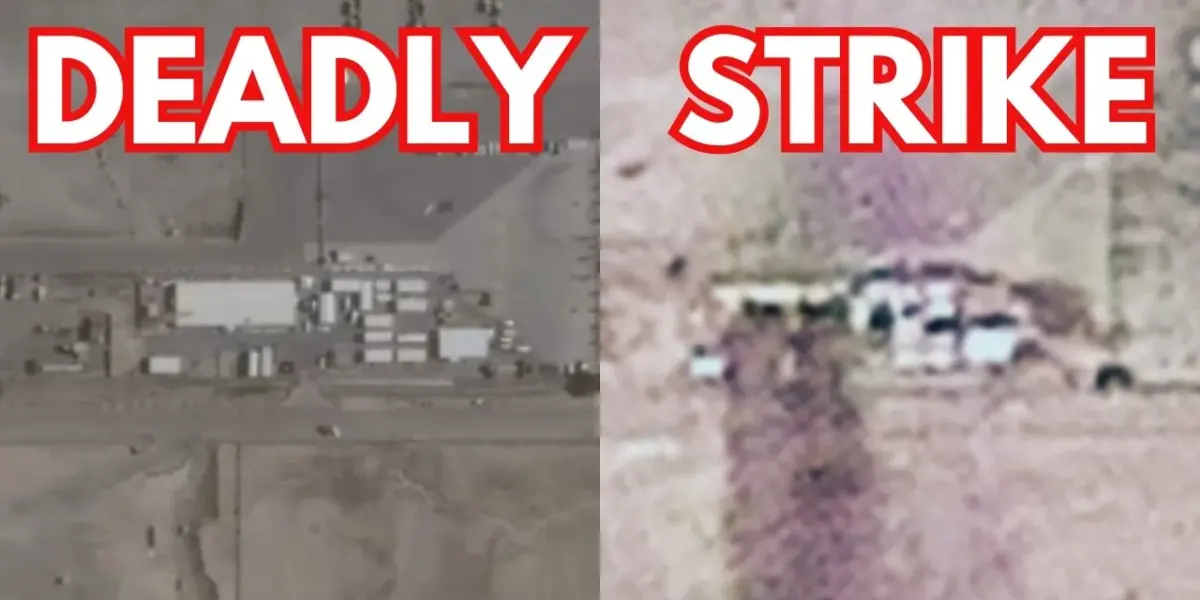
US Central Command has updated casualty figures, reporting six American service members killed in action and 18 seriously wounded. The initial fatalities occurred when a direct Iranian strike hit a makeshift operation center at a civilian port in Kuwait. This facility, described as a fortified triple-wide trailer, was struck by a single projectile that penetrated air defenses, causing significant damage and immediate loss of life with no warning sirens to alert personnel.
Wounded service members have been reported across the region, including incidents in Bahrain. Satellite imagery confirms that US bases throughout the Middle East have sustained direct impacts from Iranian missiles and drones, leading to expectations of further increases in US casualties.
Despite these losses, US offensive operations appear undeterred. Strikes have continued against Iranian targets, including drone facilities, mobile missile launchers, and air defense installations, as evidenced by footage released by US Central Command.
President Trump has asserted that Iran’s air defense, air force, navy, and leadership are incapacitated, suggesting a desire for negotiations. However, this contrasts with statements from senior Iranian officials indicating no interest in talks, leaving little room for immediate diplomatic resolution.
Israeli Operations and Regional Spread
Israel has also intensified its offensive operations, targeting industrial sites in Iran used for ballistic missile production, which Israel deems an existential threat. There are unconfirmed reports of strikes on a facility where a vote for Iran’s new supreme leader may have been underway, with conflicting accounts regarding the target’s status at the time of the strike.
Beyond Iran, Israel has initiated ground operations into southern Lebanon to counter Hezbollah’s increasing presence and prevent direct fire on Israeli communities. Significant Israeli airstrikes have also occurred across Lebanon, even as civilian air traffic continued in cities like Beirut.
Hezbollah announced its entry into the conflict over 24 hours prior, launching rockets into Israel. The effectiveness of these strikes, like many others in the conflict, remains unclear, with a noticeable lack of footage emerging from Israel depicting the impact of Iranian or Hezbollah attacks, a stark contrast to previous conflicts.
Analysis of Escalation and Justification
Middle East policy analyst Jasmine Algamal, a former Pentagon advisor, has described the situation as a pathway to uncontrolled escalation. She suggests the conflict is driven by Iran’s desperate attempt at regime survival and a US president seeking to maintain credibility ahead of midterm elections. Algamal critiques the shifting justifications for the war, noting a move from initial claims of supporting the Iranian people to a focus on missiles, the nuclear program, proxies, and naval assets, with little intelligence backing some of these assertions and occurring while diplomatic talks were reportedly in progress.
The Iranian regime appears to be employing drastic measures, including the closure of the Strait of Hormuz. While officially denied by the US, the effective closure, with a significant reduction in ship traffic and increased insurance rates, deals a major blow to global trade and Iran’s own economy. This action aligns with the strategy of inflicting maximum chaos, aiming to pressure US allies into urging a cessation of attacks.
Further complicating the situation, Iran has reportedly struck the US embassy in Saudi Arabia with drones, causing a limited fire. Following an attack on the US embassy in Kuwait, which has since closed, the US State Department has issued a strong advisory urging American citizens to evacuate the entire region due to serious safety risks. This directive covers a vast swathe of countries, including those where US presence was previously considered less precarious, such as Iran, Syria, and Yemen.
Controversial Statements on the “Why Now?” Question
A significant point of contention has emerged from statements by senior Republican officials, including Secretary Rubio, Speaker of the House Mike Johnson, and Senator Tom Cotton. These officials have suggested that the United States initiated its offensive operations not solely based on an imminent threat to itself, but in anticipation of an Israeli strike on Iran.
The rationale presented is that if Israel attacked Iran, Iran would retaliate against US forces and assets in the region. Therefore, the US acted preemptively, defensively, to prevent greater potential casualties and damage.
This framing has drawn considerable attention, as it implies the timing of the US intervention was heavily influenced by Israel’s operational plans and the anticipated Iranian response to those plans. While these officials maintain this was a defensive measure to protect American troops, critics argue it blurs the lines of justification for initiating offensive action and highlights a lack of clear, consistent messaging regarding the broad war aims.
Messaging and Future Outlook
The broader case for the war, beyond the immediate reasons for its commencement, has been described as messy and inconsistent. President Trump’s stated objectives include destroying Iran’s missile industry, annihilating its navy, neutralizing its proxies, stopping the production of IEDs, and preventing a nuclear weapon.
However, the inclusion of the Iranian Navy and IEDs as primary objectives, particularly the latter which has not been a prominent justification previously, raises questions about the evolving rationale. Notably absent from these stated objectives are goals related to the freedom or democratization of the Iranian people.
The lack of coherent messaging is seen as a significant problem, particularly in a democracy where public support is crucial. Unlike the clear, albeit sometimes disputed, messaging during the lead-up to the Afghanistan and Iraq wars, the current justifications appear fluid and subject to change, making it difficult to rally broad support or clearly define the end state. This ambiguity provides grounds for opposition, as critics can point to an unclear objective and a lack of a post-conflict plan.
The potential for a War Powers Act vote further indicates growing domestic debate and pushback. As the conflict spreads and the justifications remain unclear, the demand for coherent messaging and a defined strategy is likely to intensify, shaping the future trajectory of this rapidly escalating regional crisis.
Why This Matters
The ongoing conflict highlights the perilous nature of escalating military engagements in the Middle East. The mounting casualties, the spread of hostilities to multiple fronts, and the disruption of vital global trade routes highlight the profound human and economic costs. The shifting justifications and lack of clear strategic objectives raise serious questions about the decision-making process and the long-term implications for regional stability and international relations.
The controversy surrounding the timing of US intervention, tied to Israeli actions and anticipated Iranian responses, complicates the narrative and potentially undermines public and international confidence in the war’s rationale. The situation demands transparency, clear communication, and a well-defined strategy to navigate the complex geopolitical landscape and mitigate further escalation.
Source: Iran War Day 4: Conflict Spreads, Casualties Mount, Questions Emerge Over US Timing (YouTube)

Related Articles
US Blocks Strait of Hormuz, Sparking Global Concern
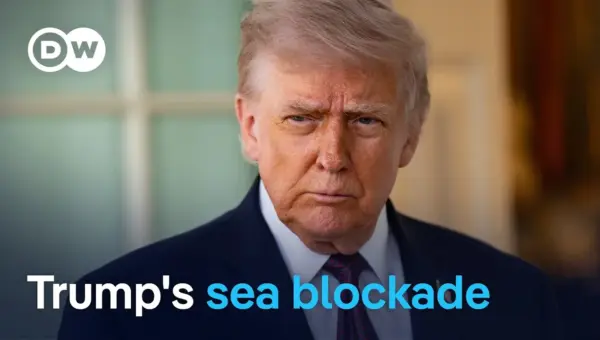
The United States has begun blocking ships in the Strait of Hormuz, a crucial global oil transit route. This move follows a previous six-week blockade by Iran and is seen as a pressure tactic by the Trump administration. Analysts express concern over potential escalation and global economic fallout.

Iranians Rally Against US Sanctions, Vow Retaliation
Thousands of Iranians rallied against U.S. sanctions and perceived aggression, showing strong support for their armed forces. The protests highlighted concerns over the Strait of Hormuz and issued warnings of retaliation should threats materialize. The demonstrations underscore national resolve amidst ongoing international pressure.


Trump Demands Iran Nuclear Ban: ‘No Deal’ Without It
Former President Donald Trump has declared that any deal with Iran must include a ban on nuclear weapons. He stated unequivocally that without this agreement, no deal will be made. Trump expressed high confidence that Iran will eventually agree to this condition.