Stocks Plunge Amid Broad Market Sell-Off
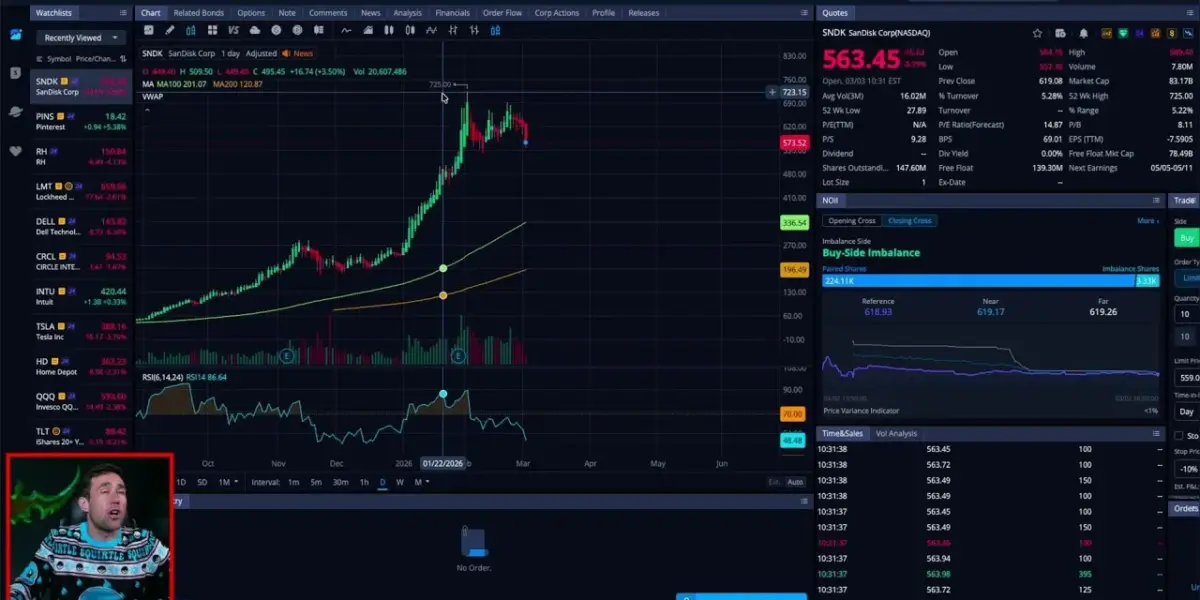
Equity markets experienced a significant downturn as major indices suffered substantial losses, indicating a broad-based sell-off. This sharp decline suggests a widespread risk-off sentiment, impacting various sectors and highlighting the inherent volatility of financial markets.

Stocks Plunge Amid Broad Market Sell-Off
Equity markets experienced a significant downturn, with major indices suffering substantial losses as investor sentiment soured. The broad-based decline suggests a widespread risk-off sentiment pervading financial markets, impacting a diverse range of sectors and asset classes. While specific catalysts for the sharp sell-off were not explicitly detailed, the synchronized nature of the decline indicates underlying macroeconomic concerns or a significant shift in investor risk appetite.
Market Overview
The recent trading sessions saw a pronounced downward trend across the stock market. While precise figures for the magnitude of the decline were not provided in the source material, the descriptor ‘TANK’ implies a significant and rapid drop in stock values. This type of market movement typically signals a loss of confidence among investors, leading to accelerated selling as participants seek to de-risk their portfolios.
Potential Driving Factors
While the transcript does not offer specific reasons for the stock market’s decline, several factors commonly contribute to such sharp sell-offs:
- Macroeconomic Uncertainty: Concerns over inflation, interest rate hikes, geopolitical tensions, or a potential economic slowdown can trigger investor apprehension.
- Corporate Earnings Disappointments: A wave of weaker-than-expected corporate earnings reports can erode investor confidence in the profitability of businesses.
- Valuation Concerns: If markets are perceived as overvalued, any negative news or shift in sentiment can lead to a sharp correction.
- Technical Breakdowns: A breach of key support levels on major stock indices can trigger algorithmic selling and a cascade of further declines.
Sectoral Impact
A broad market sell-off, as suggested by the term ‘TANK,’ typically affects most sectors. Growth-oriented sectors, often characterized by higher valuations and greater sensitivity to interest rates, can be particularly vulnerable. Conversely, defensive sectors like utilities or consumer staples might offer relative resilience, though they are not immune to widespread market fear.
What Investors Should Know
The recent sharp decline in stock prices is a clear reminder of the inherent volatility in financial markets. For investors, understanding the potential implications is crucial:
Short-Term Implications:
- Increased Volatility: Investors should anticipate continued choppiness in the market as sentiment remains fragile.
- Portfolio Re-evaluation: This is often a period where investors reassess their risk tolerance and the diversification of their portfolios.
- Potential for Further Losses: If the underlying causes of the sell-off are not resolved, further declines are possible.
Long-Term Implications:
- Opportunities for Long-Term Investors: Significant market downturns can present opportunities to acquire quality assets at lower prices for those with a long-term investment horizon.
- Shift in Market Leadership: Prolonged downturns can sometimes lead to a rotation in market leadership, with different sectors or investment styles coming to the forefront.
- Economic Repercussions: A severe market sell-off can sometimes precede or coincide with broader economic challenges, impacting consumer spending and business investment.
Context and Outlook
The current market environment, characterized by this sharp decline, occurs against a backdrop of ongoing economic adjustments. Investors are navigating a complex landscape influenced by inflation data, central bank policies, and global events.
While the immediate outlook suggests continued caution, the long-term trajectory of the market will depend on the resolution of current economic headwinds and the resilience of corporate earnings. It is essential for investors to conduct their own due diligence and consider their personal financial goals and risk tolerance when making investment decisions.
Source: Stocks TANK (YouTube)

Related Articles


Oil Prices May Stay High, But Stocks Could Rise
Global tensions surrounding Iran may be easing as Oman coordinates efforts to keep the Strait of Hormuz open. This, combined with significant cash reserves held by institutional investors, suggests a potential floor for the stock market. While oil prices could remain elevated, this scenario may pave the way for stock market gains.


Bitcoin Drops Below Key Trend; Stocks Brace for Fall
Bitcoin has broken a key mid-term trend line, signaling potential drops to the $50,000s, while the stock market braces for a 10-15% decline. Analysts suggest preparing for a relief rally, highlighting significant opportunities in altcoins and airdrop farming as crucial strategies for navigating current volatility.
Markets Plunge Amid War Fears, Inflation Concerns
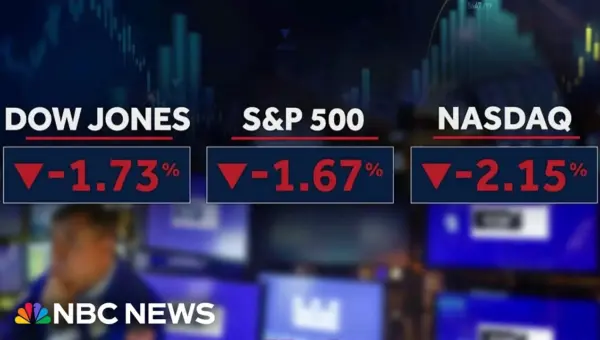
Major stock markets plunged this week, with the Dow entering correction territory amid fears of a prolonged war with Iran. Surging oil prices and rising mortgage rates are fueling concerns about inflation, prompting speculation of further interest rate hikes by the Federal Reserve. Investors are bracing for potential long-term damage to global energy infrastructure and a slowdown in economic growth.