Prediction Markets Surge on Iran Conflict, Sparking Ethical Debate
Prediction markets saw record trading volumes amid escalating Middle East tensions, with significant bets placed on Iran-related events. The surge has ignited ethical debates and calls for legislative bans on contracts related to war and death.

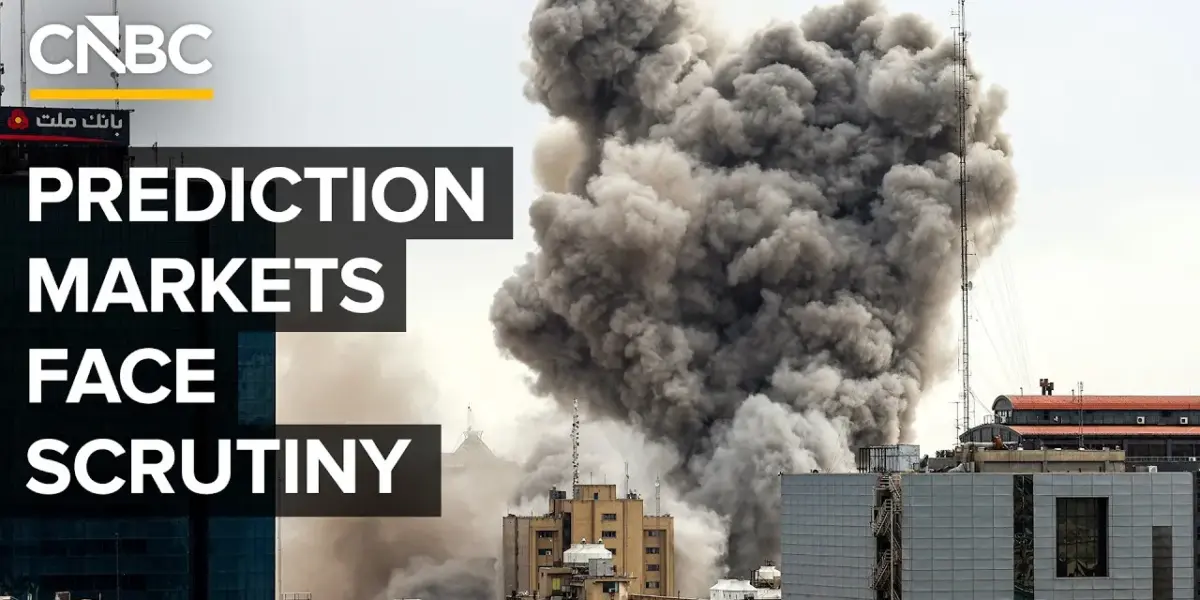
Prediction Markets Surge on Iran Conflict, Sparking Ethical Debate
Prediction markets, platforms where users bet on the outcomes of future events, saw a significant surge in activity over the weekend as geopolitical tensions escalated in the Middle East. With the U.S. military conducting strikes in Iran and Iran retaliating across the region, trading volumes on these platforms reached unprecedented levels, raising both investor interest and ethical concerns.
Record Trading Volumes Amid Geopolitical Turmoil
According to data from Piper Sandler, cash volume on prediction markets experienced a notable increase of 23% month-over-month. Polymarket, a prominent platform in this space, also reported substantial growth.
Particularly noteworthy were several trades executed on Polymarket just hours before U.S. Airstrikes on Iran, with bets placed on the certainty of these strikes occurring on February 28th. These were not small wagers; one trader reportedly placed an $87,000 bet and subsequently profited over $500,000 on the outcome of a specific event contract.
Controversy Surrounds ‘Death Bets’
The surge in activity coincided with intense scrutiny, particularly concerning trades related to the potential demise of Iran’s Supreme Leader, Ayatollah Khamenei, and other high-profile figures. One prediction market, Kalki, faced significant backlash for a contract that resolved to ‘No’ following the Supreme Leader’s death, despite the market’s fine print stipulating such an outcome if the leader were killed. Critics argued that the market should have resolved differently, given that a deceased individual cannot hold office, or that the terms were too ambiguous for participants to understand.
“It is illegal to offer an event contract on death or assassination in the United States,” the article notes, highlighting the legal complexities surrounding such trades.
Kalki, however, maintains it did not violate U.S. Law and did not profit from the specific contract in question. The platform’s CEO and founder, Tariq Mansoor, addressed the concerns on X (formerly Twitter), acknowledging the criticism and promising improvements. He stated that the platform would clarify its terms in the future and, in an effort to appease disgruntled traders, refunded all fees and net losses associated with the controversial contract.
Legislative Action Proposed
The ethical implications of profiting from conflict and potential loss of life have not gone unnoticed by lawmakers. U.S. Senator Chris Murphy of Connecticut sharply criticized the practice, labeling it “insane” and announcing his intention to introduce legislation to ban such event contracts. Murphy’s proposed bill aims to prevent individuals and platforms from profiting off of war or death.
Market Impact and Investor Considerations
The substantial volume and the ethical debates surrounding these prediction markets highlight a growing intersection between geopolitical events and financial speculation. While prediction markets can offer unique insights into perceived future outcomes, the controversy highlights the need for clear regulation and ethical guidelines.
Short-Term Implications:
- Increased volatility and trading volume on platforms related to geopolitical events.
- Heightened regulatory scrutiny and potential legislative action to curb specific types of event contracts.
- Public and political debate over the ethics of financial speculation on conflict and death.
Long-Term Implications:
- Potential for clearer regulatory frameworks governing prediction markets, especially concerning sensitive events.
- The evolution of prediction market platforms to ensure greater transparency and ethical conduct.
- A continued, albeit perhaps more regulated, role for prediction markets in gauging public sentiment and perceived future outcomes, including geopolitical ones.
For investors, the recent events serve as a reminder of the speculative nature of prediction markets and the ethical considerations that can arise. While these platforms can provide alternative perspectives on potential future events, they also carry risks associated with regulatory uncertainty and public perception. The debate over the legality and morality of betting on sensitive geopolitical outcomes is likely to continue, potentially shaping the future landscape of these innovative, yet controversial, financial tools.
Source: Bets On Death Of Iran’s Leader Ayatollah Khamenei And Others Draw Scrutiny (YouTube)

Related Articles

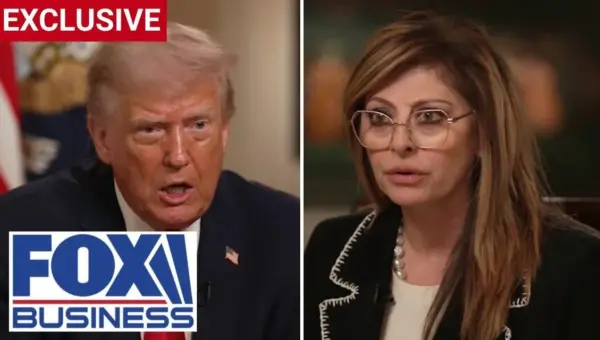
Trump Sees Iran Conflict Nearing End, Cites Nuclear Deal
Former President Donald Trump believes the conflict involving Iran is nearing its end and that Iran is eager to make a deal. He cited actions taken during his presidency to prevent Iran from acquiring nuclear weapons. This potential de-escalation could influence energy markets and investor sentiment.
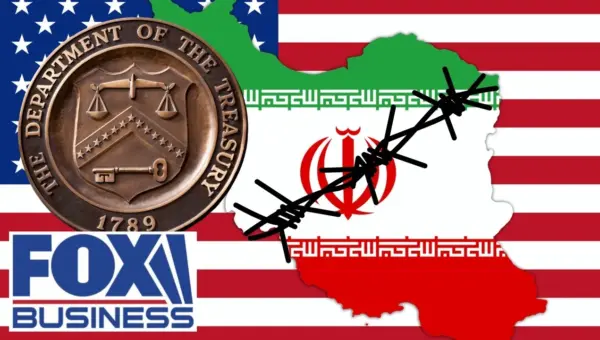
US Tightens Financial Noose on Iran
The U.S. Treasury is warning banks in Oman, Hong Kong, China, and the UAE about handling Iranian money for illicit purposes. This move could lead to secondary sanctions, cutting off these banks from the U.S. financial system. The administration aims to disable Iran's ability to fund terrorism and its nuclear program.

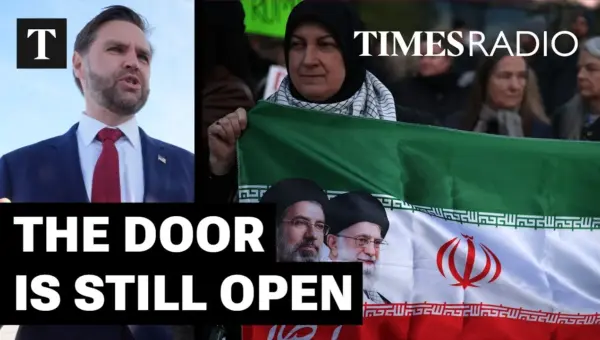
Iran Regime Lacks Flexibility for US Demands, Expert Says
High-level talks between the U.S. and Iran, involving Vice President JD Vance, have ended without agreement, according to expert Farzin Nadimi. Nadimi stated the Iranian regime's inflexibility on demands like halting uranium enrichment and support for regional proxies prevented a breakthrough. While dialogue continues, significant progress remains unlikely in the near future.