Trump’s Iran Gambit: A Desperate Plea to Journalists?
Reports suggest Donald Trump is contacting journalists for advice on Iran strategy, raising alarms about his decision-making process. This unconventional approach, amidst alleged purges of experts, contrasts with past administrations and challenges the 'businessman-in-chief' ideal, potentially leading to prolonged conflicts.

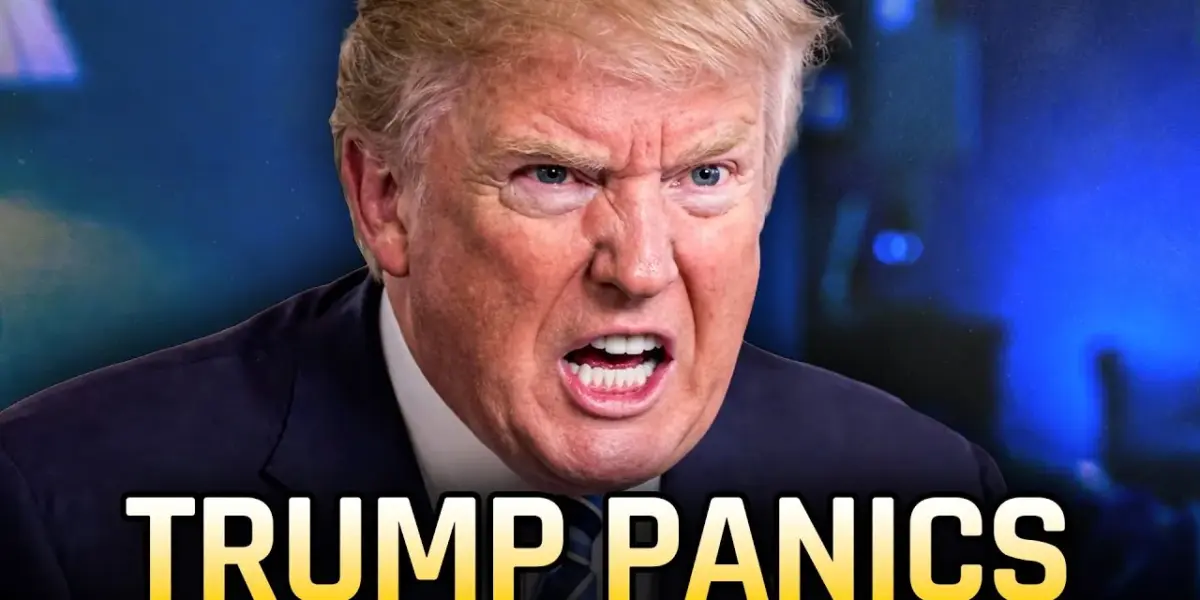
Trump’s Iran Gambit: A Desperate Plea to Journalists?
In a political landscape often characterized by decisive pronouncements and strong leadership posturing, recent reports suggest a starkly different approach from former President Donald Trump regarding the complex situation in Iran. According to journalists who claim to have received direct calls, Trump has been reaching out to media contacts, purportedly seeking advice and ‘workshopping ideas’ on how to navigate the escalating tensions. This unusual tactic raises significant questions about strategic planning, foreign policy decision-making, and the very nature of presidential leadership in times of international crisis.
The Unconventional Approach to Crisis Management
The core of the assertion is that Donald Trump, facing pressure from international allies like Israel and Saudi Arabia to take action in Iran, finds himself without a clear strategy. The transcript alleges that Trump has, in the past, purged experienced military strategists from the Pentagon, citing reasons such as eliminating perceived political opponents or those not aligned with his personal loyalty. This alleged culling of expertise, coupled with his own lack of direct military experience, has seemingly left him without a robust internal advisory structure for foreign policy matters.
Instead of consulting with seasoned military or foreign policy experts, the narrative paints a picture of a leader turning to journalists – individuals whose primary role is to report on events, not to dictate policy. The implication is a profound lack of preparedness and a reliance on external, potentially unqualified, sources for critical decision-making.
Historical Parallels and Departures
The analysis draws a contrast with previous administrations, specifically mentioning George W. Bush. While acknowledging that Bush’s administration may have misled the public about the goals in places like Iraq, the transcript argues that there was at least a discernible, albeit flawed, plan.
Trump’s alleged current predicament, in this view, lacks even that semblance of a coherent strategy. This absence of a plan, combined with what is described as a lack of competent advisors, is presented as a recipe for prolonged conflict and unintended consequences.
The bombing of children in schools over a weekend, while the former president is reportedly attending social events, is highlighted as a grim illustration of the human cost of such a perceived strategic vacuum. The potential for creating ‘quagmires’ that could ensnare the nation for generations is a central concern.
The Businessman-in-Chief: A Failed Experiment?
The piece directly challenges the long-held conservative argument for running the government like a business, advocating for a ‘businessman’ to lead. It poses a pointed question to those who supported this philosophy: how is it working now? The author suggests that the current situation, characterized by a leader with no apparent foreign policy, political, or military experience making critical decisions about international conflicts and regime change, is a direct refutation of that idea.
The transcript expresses particular alarm for those who do not support Trump, framing their terror as a rational response to a leader perceived as unqualified and potentially dangerous. The assertion that the ‘dumbest person on the planet’ is making life-or-death decisions is a provocative, albeit highly subjective, characterization intended to highlight the gravity of the situation.
The Broader Implications of Strategic Vacuums
The core concern revolves around the potential for escalating conflicts and the creation of long-term instability. When a leader lacks a clear strategy and relies on ad-hoc advice, the risks of miscalculation increase exponentially.
This can lead to prolonged military engagements, increased loss of life on all sides, and significant geopolitical repercussions. The transcript posits that the current approach could lead to a conflict worse and longer than the Iraq War, emphasizing the potential for devastating outcomes due to perceived inexperience and a lack of strategic depth.
Why This Matters
The implications of a leader making critical foreign policy decisions without a clear strategy or experienced counsel are profound. It affects national security, international relations, and the lives of countless individuals. The alleged reliance on journalists for strategic advice, rather than established foreign policy and military experts, raises serious concerns about the competence and stability of decision-making processes.
This situation highlights the importance of experienced leadership, strategic foresight, and a robust advisory framework, especially when dealing with volatile geopolitical situations. The potential for creating protracted conflicts and significant human suffering is a stark warning against haphazard or uninformed foreign policy.
Trends and Future Outlook
The narrative suggests a trend towards populist leaders who may bypass traditional institutions and expertise in favor of personal connections or perceived ‘common sense’ approaches. This can be particularly dangerous in foreign policy, where nuance, historical context, and expert analysis are crucial.
The future outlook, as presented in the transcript, is one of heightened risk and potential for prolonged instability, driven by a perceived lack of strategic direction and qualified leadership. The call to action for conservatives who advocated for a business-like approach to government is a clear reminder of the potential downsides when that model is applied without the necessary foundational knowledge and experience in complex fields like international relations.
Historical Context
The reference to the Iraq War provides a historical touchstone, reminding readers of the significant human and financial costs associated with poorly planned military interventions. The critique of Trump’s approach is framed against the backdrop of past foreign policy decisions, both successful and disastrous, highlighting the enduring importance of strategic planning and experienced leadership in international affairs. The legacy of interventions and the complexities of geopolitical maneuvering are brought to the forefront, emphasizing that foreign policy is not a simple business transaction but a delicate and high-stakes endeavor.
“Have you or someone you know ever had your identity stolen, been a victim of fraud, or been hacked, scammed, doxed? How does it make you feel that so much of your information is available for anyone to purchase? That’s why I recommend today’s sponsor, Aura, to my family and friends.”
While the core of the analysis focuses on political strategy and leadership, the transcript briefly touches upon the importance of personal digital security, recommending Aura as a solution for identity theft protection and privacy management. This inclusion, while seemingly tangential, highlights a broader theme of vulnerability – in this case, personal digital vulnerability, mirroring the perceived national security vulnerability discussed in the political context.
Source: Trump BEGGING Journalists To Fix His Iran Disaster (YouTube)

Related Articles
Iran’s “Media War” Threatens Trump, Markets
Iran's "media war" strategy, using Western outlets to undermine President Trump, is a key tactic alongside potential ecological warfare in the Strait of Hormuz. This approach aims to sway public opinion and could impact markets. Investors are advised to monitor geopolitical narratives and their potential effects on oil prices and regional stability.
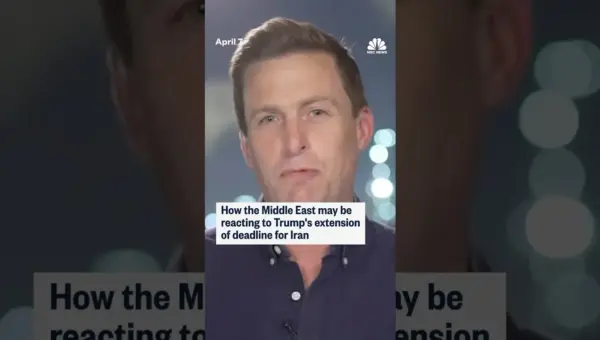
Trump Extends Iran Deadline Amid Regional Skepticism
The Middle East views President Trump's extension of the Iran deadline as a familiar pattern of 'bluster.' This marks the third or fourth time Trump has backed down from an ultimatum, leading many in the region to believe his threats lack substance. Public life in Iran continues as usual, suggesting a lack of panic despite the ongoing diplomatic tensions.
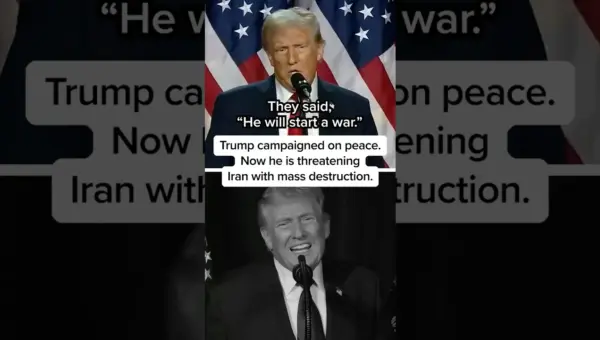
Trump’s Iran Threat Sparks Concern Over Campaign Promises
Donald Trump, who campaigned on a platform of avoiding new wars, is now reportedly issuing threats against Iran. This shift from his election rhetoric to aggressive language raises concerns about his foreign policy direction. Experts are watching closely for potential impacts on regional and global stability.