Iran Conflict Threatens Global Economy: Oil Prices Spike
A potential prolonged conflict between the US, Israel, and Iran is threatening to destabilize the global economy, with the Strait of Hormuz becoming a flashpoint. Analysts warn of soaring oil prices, potentially reaching $100 a barrel, which could trigger wider economic disruptions and impact consumer confidence.

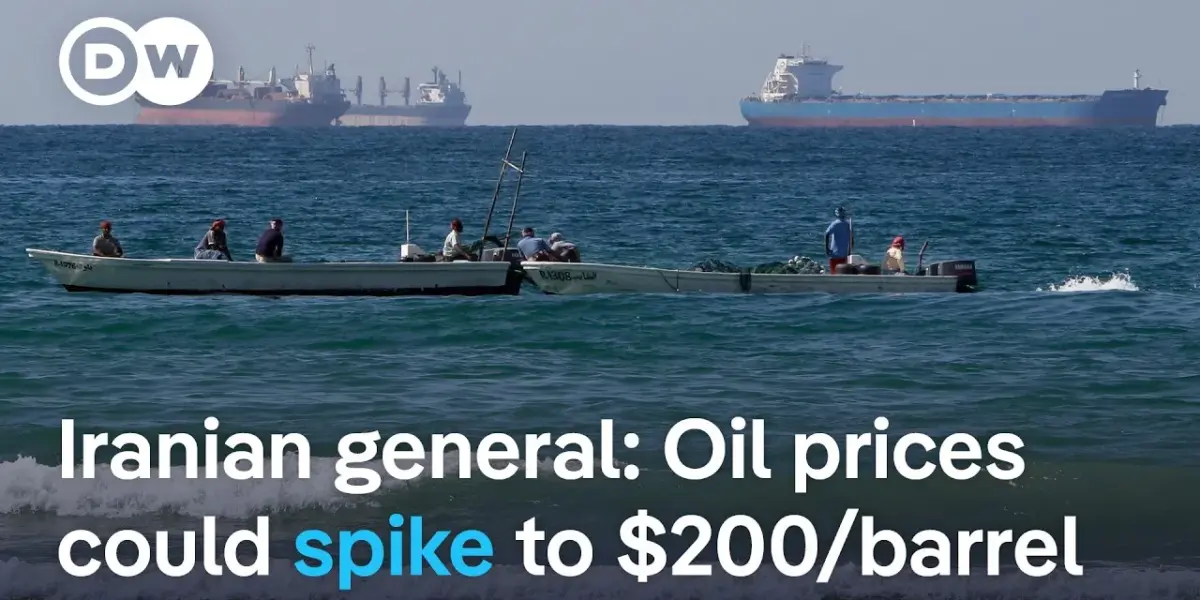
Global Markets Brace for Economic Fallout Amidst US-Iran Tensions
A potential prolonged conflict between the United States, Israel, and Iran looms large over the global economy, with significant implications for everyday consumers and international trade. The strategic Strait of Hormuz, a critical chokepoint for global shipping and energy markets, has become a focal point of the escalating tensions, raising concerns about supply disruptions and soaring prices.
Shipping Lanes Disrupted, Energy Infrastructure Targeted
Recent incidents highlight the growing risks in the region. An oil tanker was struck just off the coast of Oman, and several major shipping companies have already begun rerouting to avoid the volatile waters.
The conflict has also extended to energy infrastructure, with Iranian drones attacking the Ras Tanura refinery in Saudi Arabia, leading to its shutdown and impacting global oil supplies. Qatar has also been forced to halt its liquefied natural gas production, further exacerbating supply concerns.
Economic Expert Warns of Price Spirals
Akin Oyadeli, Deputy Editor at Business Insider, emphasized the gravity of the situation. “We have a big problem. I mean definitely from a human and humanitarian standpoint.
But as you were alluding to in terms of the economic and market impact, the pass through really that people should watch out for is oil prices and subsequently gas prices. What people put into their cars.”
Oyadeli noted that the conflict has already triggered a spike in oil prices. “Analysts are warning that if this goes on for 72 hours or longer, we could see oil hit $100 a barrel, which would be an important barrier that it breaks. So, that really is what to watch.” This potential surge could have a cascading effect on transportation costs, as virtually all movement of goods relies on oil-based fuels.
Echoes of the 1970s Oil Crisis
The current situation has drawn comparisons to the oil crisis of the 1970s, a period when conflict in the Middle East sent oil prices spiraling and severely impacted Western economies. While historical parallels exist, Oyadeli pointed out key differences. “The US is now pretty much a net exporter of oil.
So it’s less reliant on external sources. Also, the oil intensity in modern economies, which is how reliant economies are on oil per to essentially grow their GDP, is a lot less than it used to be.”
Despite these differences, the potential for a supply shock remains significant. The affordability of goods and services, particularly fuel, is a major concern, especially for political leaders like U.S. President Donald Trump, who campaigned on promises of economic affordability and bringing down inflation. A resurgence in inflation could influence geopolitical decisions.
Beyond Oil: Wider Economic Ripples
The economic impact extends beyond the price of oil. Oyadeli explained how stock market volatility can affect consumer confidence. “If stock markets even begin to sniff out further economic disruption down the road and we do see more selling in stocks, that can impact consumer confidence because people, for example, who have a lot of their wealth stored in equity begin to feel less wealthy and so they begin to pull back spending.” This ‘wealth effect’ can lead to reduced consumer spending, potentially slowing economic growth.
Travel disruption is another significant consequence. If geopolitical instability leads to widespread cancellations of international travel, it could severely impact tourism-dependent economies and reduce income for many countries and individuals.
Iran’s Economy Under Strain
The conflict also places immense pressure on Iran’s already struggling economy. Entering the year with approximately 30% inflation, and food inflation in the 70% range, Iran is particularly vulnerable. Oyadeli stated, “Things could get a lot worse.” The damage to Iran’s oil infrastructure could further cripple its ability to produce and export oil, a vital source of revenue for the country.
Looking Ahead
As tensions persist in the Strait of Hormuz and surrounding regions, the global economy faces an uncertain future. The immediate focus remains on oil prices and the potential for further supply disruptions. The coming days and weeks will be crucial in determining whether the conflict escalates and what further economic consequences will unfold for nations worldwide.
Source: US-Israel war with Iran: What is the global economy's pain threshold? | DW News (YouTube)

Related Articles


Iran’s “Media War” Threatens Trump, Markets
Iran's "media war" strategy, using Western outlets to undermine President Trump, is a key tactic alongside potential ecological warfare in the Strait of Hormuz. This approach aims to sway public opinion and could impact markets. Investors are advised to monitor geopolitical narratives and their potential effects on oil prices and regional stability.


Trump’s Iran Threat Sparks Concern Over Campaign Promises
Donald Trump, who campaigned on a platform of avoiding new wars, is now reportedly issuing threats against Iran. This shift from his election rhetoric to aggressive language raises concerns about his foreign policy direction. Experts are watching closely for potential impacts on regional and global stability.

Trump Pauses Iran Strikes Amid Strait of Hormuz Dispute
President Donald Trump has announced a two-week pause on military strikes against Iran, contingent on the nation reopening the Strait of Hormuz. U.S. officials have not yet confirmed if a ceasefire has begun, highlighting the uncertain nature of the announcement. Iran's continued drone and missile activity also raises questions about its military capacity.