Trump’s ‘War on Seven Fronts’: Critics Slam ‘Warmonger’ Amid Bombings
President Trump's administration faces intense criticism for escalating military actions in seven countries, a stark contrast to his 'no more endless wars' pledge. Critics, including former allies and conservative commentators, decry the moves as hypocritical and potentially detrimental to U.S. interests.

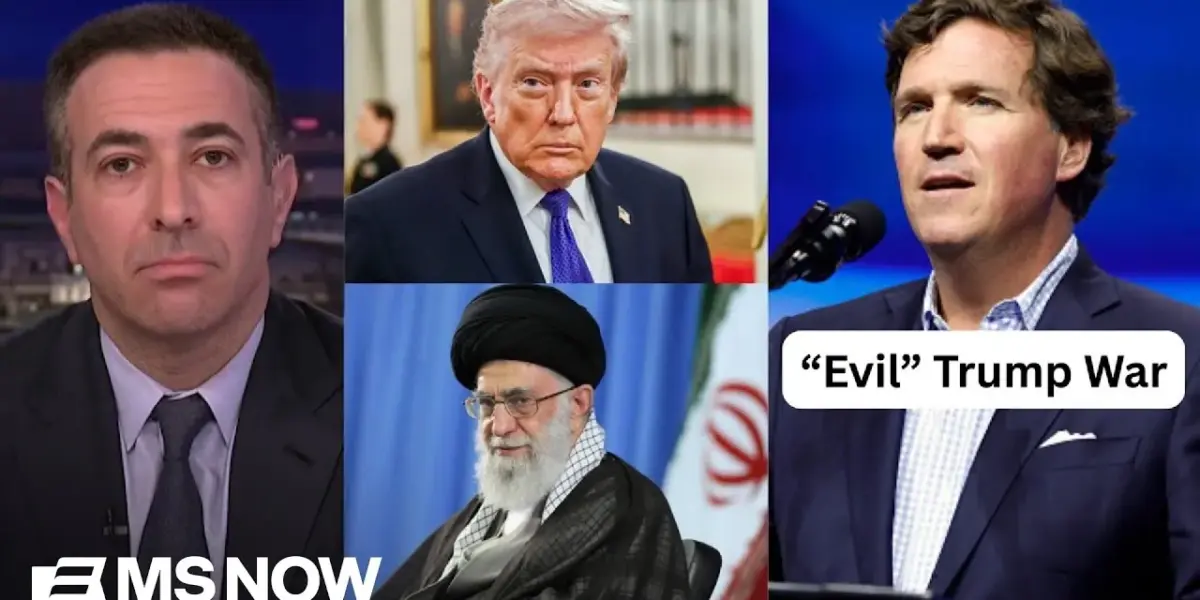
Trump’s Military Actions Contradict Campaign Promises, Spark Outrage
President Donald Trump’s administration has come under fire for escalating military actions, including recent strikes against Iran, a move that critics argue directly contradicts his signature campaign promise of ending “endless wars.” The president, who campaigned on a platform of “peace through strength” and vowed not to start new conflicts, has now authorized military action in seven countries during his term, a record not seen by modern presidents. This aggressive foreign policy stance is drawing sharp criticism from various quarters, including former allies and even his own political base, who see it as a betrayal of his core pledges.
A Pattern of ‘More Wars Than Anyone Else’
Reports highlight a stark contrast between Trump’s rhetoric and his actions. Axios noted that Trump authorized more individual airstrikes last year than President Biden did in his entire first term. The seven countries reportedly targeted under Trump’s leadership include Iran, Nigeria, Venezuela, Iraq, Somalia, Syria, and Yemen. This extensive use of American military power, often described as “unilateral, unbridled, American war power,” has occurred without explicit congressional authorization in many instances, raising concerns about accountability and the long-term implications of such actions.
“No president in the modern era has ordered more military strikes against as many different countries as Trump. That’s in this term alone.”
Hypocrisy and Betrayal of the Base
The discrepancy between Trump’s “no more forever wars” slogan and his administration’s military record has led to accusations of hypocrisy. Foreign policy veteran David Rothkopf stated, “It’s not no more wars. It’s more wars than anyone else.” He further elaborated that Trump has launched attacks on seven different countries, a tally that could extend to eight if troops deployed within the United States are counted. This has alienated a significant portion of his base, who believed his presidency would usher in an era of de-escalation and non-interventionism. The sentiment among some supporters is one of disbelief and disappointment, with one individual quoted as saying, “He was the no more endless wars candidate in 2016 and 2024, particularly. And this looks like an open betrayal of the base.”
Echoes of Past War Failures
Critics are drawing parallels between Trump’s current foreign policy and the missteps of previous administrations that ended in historical ignominy. The examples of George W. Bush and Lyndon B. Johnson, whose presidencies were significantly defined by costly and ultimately unsuccessful wars, serve as cautionary tales. The argument is that a belief in American exceptionalism and military might can lead to overreach, a lesson that Trump’s current actions appear to be repeating. The potential for these interventions to devolve into “forever wars” is a significant concern, especially given the unpredictable nature of foreign conflicts once initiated.
Leading Voices Condemn Actions as ‘Disgusting and Evil’
The condemnation of Trump’s military actions extends beyond predictable political opponents. Even prominent conservative figures have voiced strong objections. Longtime Fox host Tucker Carlson, whose criticism is rarely aligned with those on the left, described the situation as “disgusting and evil.” He argued that the actions were not only contrary to the Constitution and American interests but also potentially illegal, citing the absence of an imminent threat. Carlson suggested that the timing of these military actions, occurring amidst domestic controversies such as the Epstein revelations and declining poll numbers, could be an attempt to distract the public, a tactic reminiscent of the 1997 film “Wag the Dog.”
“Indeed, George W. Bush and LBJ found that what started with wide support ended with a kind of ignominy in history for their war failures.”
Unforeseen Consequences and Economic Instability
Beyond the political and ethical implications, the potential economic ramifications of these ongoing military engagements are also a significant concern. Experts warn of a cascade of negative consequences, including rising prices, market instability, increased risk of terrorism, and the potential need for further troop deployments. The alienation of allies is another critical factor, potentially weakening the United States’ global standing and its ability to address future challenges collaboratively. The unpredictability of these conflicts means that the “war” could have far-reaching and detrimental effects on the lives of average Americans.
The Path Forward: A Nation at a Crossroads
As the United States finds itself engaged in military actions across multiple fronts, the nation appears to be at a critical juncture. The contradiction between President Trump’s “America First” and non-interventionist rhetoric and his administration’s aggressive military posture has created a deep rift. The coming months will likely see increased scrutiny of these operations, particularly as the election cycle intensifies. The long-term consequences of these “wars of choice” remain uncertain, but the current trajectory suggests a significant departure from the promises made to the American people, raising profound questions about the future of U.S. foreign policy and its global role.
Source: 'Warmonger Trump' blasted by tucker, MAGA over bombing seventh country this term (YouTube)

Related Articles

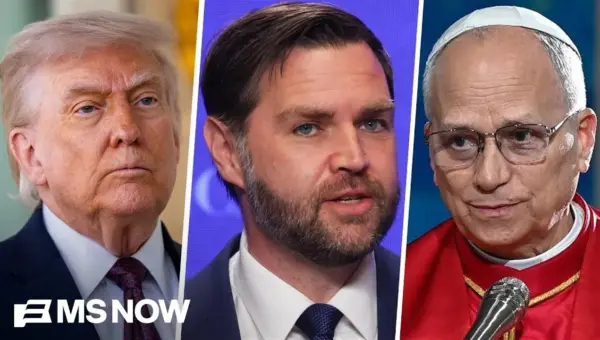
Vance Urges Pope to Be Anchored in Truth; Critics Question Trump
Vice President J.D. Vance's call for the Pope to be "anchored in truth" has sparked debate, with critics questioning the consistency of this standard when applied to President Trump. The article examines numerous instances of alleged falsehoods attributed to Trump, suggesting a potential hypocrisy in demanding theological truthfulness from the Pope while overlooking perceived untruths in the White House. The core argument centers on the critical need for truthfulness in leadership, especially for those commanding immense military power.

Greenland’s Leader: Trump’s Threats Make Citizens Unsafe
Greenland's Prime Minister revealed that citizens felt unsafe and angry after then-President Trump's 'threats' to buy the island. The comments highlight the human impact of geopolitical discussions on national sovereignty.
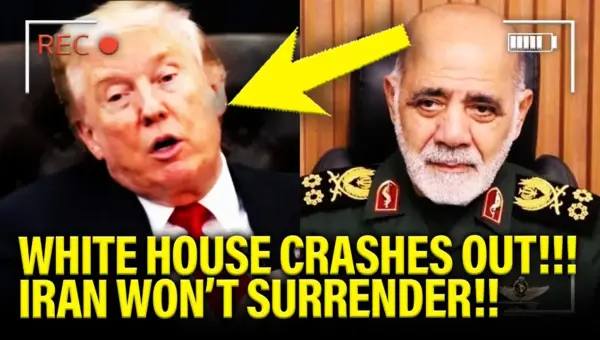
Iran Shuns Trump’s Deal Demands, Escalating Global Tensions
Iran has rejected President Trump's demands in ongoing negotiations, leading to heightened global tensions. Pakistan has stepped in as a mediator amid fears of escalating conflict. Meanwhile, the White House press briefings presented mixed messages on the economy and policy, facing scrutiny over strategy and communication.