Iran Escalates Regional Attacks, Feeling ‘Nothing to Lose’
Iran is widening its regional attacks, driven by a "nothing to lose" mentality, according to Catherine Philp of The Times. The escalating conflict has seen Hezbollah engage in hostilities, drawing retaliatory strikes and increasing global oil prices. The U.S. and Israel are targeting Iranian leadership and military sites, while the response of Gulf nations remains a key uncertainty.

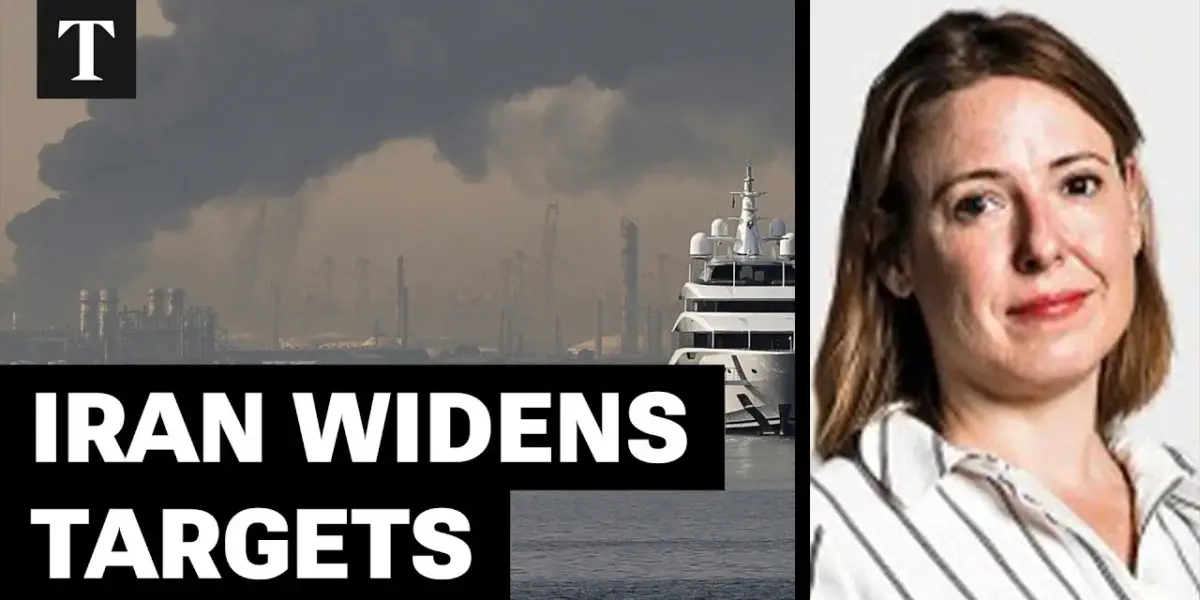
Iran Broadens Attacks Amidst Regional Escalation
In a significant escalation of regional conflict, Iran appears to be adopting a strategy born from a sense of desperation, with its leadership feeling it has “nothing to lose and everything to gain by hitting out.” This sentiment, according to Catherine Philp, a world affairs correspondent for The Times, underpins Iran’s decision to widen its targets across the region. The ongoing military actions, which entered their third day, have seen Iran’s proxies engage in hostilities, drawing retaliatory strikes from both Israel and the United States. The conflict has already resulted in the deaths of four U.S. military personnel and is beginning to impact global markets, with oil and gas prices showing a steep increase.
Hezbollah’s Involvement Signals ‘Use It or Lose It’ Policy
A particularly alarming development highlighted by Philp is the renewed engagement of Hezbollah. For the past two years, Israel has reportedly inflicted significant damage on Iran’s proxies, seemingly blunting their offensive capabilities. However, Hezbollah’s current involvement suggests a “use it or lose it” policy, indicating that these proxies, though potentially weakened, are being deployed in a final, desperate attempt to exert pressure. Philp anticipates further involvement from other Iranian proxies, including the Houthis in the Red Sea, who are expected to target global shipping. The overarching goal, Philp suggests, is to make the costs of intervention prohibitively high for both Israel and, crucially, the United States, thereby pressuring President Trump to withdraw from the conflict.
“This is a regime with absolutely feels it has nothing to lose and everything to gain by hitting out.”
– Catherine Philp, World Affairs Correspondent, The Times
Strikes Target Leadership and Military Infrastructure
While the initial phase of U.S. and Israeli strikes focused on leadership targets, including the reported removal of the supreme leader, the focus has reportedly shifted towards military objectives. This includes targeting Revolutionary Guard commanders, command posts, and, critically, the launch sites for ballistic missiles. The transcript notes that the launch of these missiles leaves a traceable signature, allowing Israeli and American forces to locate and strike them. However, Philp points out a potential point of concern for Gulf nations: the priority given to shorter-range launch sites attacking them, rather than those directly targeting Israel. Sites launching ‘shahed’ suicide drones, which are more difficult to neutralize, are considered a lower priority.
Humanitarian Toll and Decentralized Command
The Iranian Red Crescent has reported a substantial human cost, with 555 individuals reportedly killed by U.S.-Israeli strikes across 130 cities, describing it as a “nationwide assault.” This widespread impact underscores the intensity of the conflict. Adding another layer of complexity is the Iranian regime’s apparent preparation for the severance of its command and control structures. Philp explains that decision-making has been decentralized, granting local commanders significant autonomy to launch attacks as they see fit. This decentralized approach, alluded to by Iran’s foreign minister, makes it harder to predict and contain the conflict.
Gulf Nations’ Response and Future Outlook
A key question moving forward is the response of the Gulf nations. Philp suggests they may either pressure the United States to de-escalate the conflict or, driven by anger, take direct military action to neutralize Iranian launch sites themselves. The recent drone attack on an RAF base in Cyprus, though details remain scarce, further illustrates the extent to which a cornered Iran is lashing out. The success of neutralizing such threats remains to be seen, but the incident highlights the unpredictable nature of the escalating regional tensions.
What’s Next?
As the conflict unfolds, attention will be keenly focused on the responses of regional powers, particularly the Gulf states, and their potential involvement. The effectiveness of U.S. and Israeli efforts to degrade Iran’s missile and drone capabilities, especially the more elusive drone launch sites, will be critical. Furthermore, the sustained impact on global energy markets and the political ramifications for President Trump’s administration as casualties mount will be closely watched developments in the coming days.
Source: Iran Feels ‘It Has Nothing To Lose And Everything To Gain By Hitting Out’ | Catherine Philp (YouTube)

Related Articles


Greenland’s Leader: Trump’s Threats Make Citizens Unsafe
Greenland's Prime Minister revealed that citizens felt unsafe and angry after then-President Trump's 'threats' to buy the island. The comments highlight the human impact of geopolitical discussions on national sovereignty.

Iran Shuns Trump’s Deal Demands, Escalating Global Tensions
Iran has rejected President Trump's demands in ongoing negotiations, leading to heightened global tensions. Pakistan has stepped in as a mediator amid fears of escalating conflict. Meanwhile, the White House press briefings presented mixed messages on the economy and policy, facing scrutiny over strategy and communication.


GOP Senators Show Weariness With Trump’s Iran Stance
Republican lawmakers are showing signs of frustration with President Trump's prolonged engagement in Iran. Diplomatic talks continue, with a potential ceasefire extension being considered, while the U.S. bolsters its military presence. Meanwhile, domestic economic pressures and battles with the Federal Reserve chair add to the political complexities.