Trump’s Iran Strikes Spark Backlash in MAGA Base
President Trump's military actions against Iran are facing unexpected criticism from his own MAGA base, challenging his "America First" foreign policy stance. Early polls show low public approval for the strikes, raising concerns about potential political fallout for Republicans if the conflict escalates.

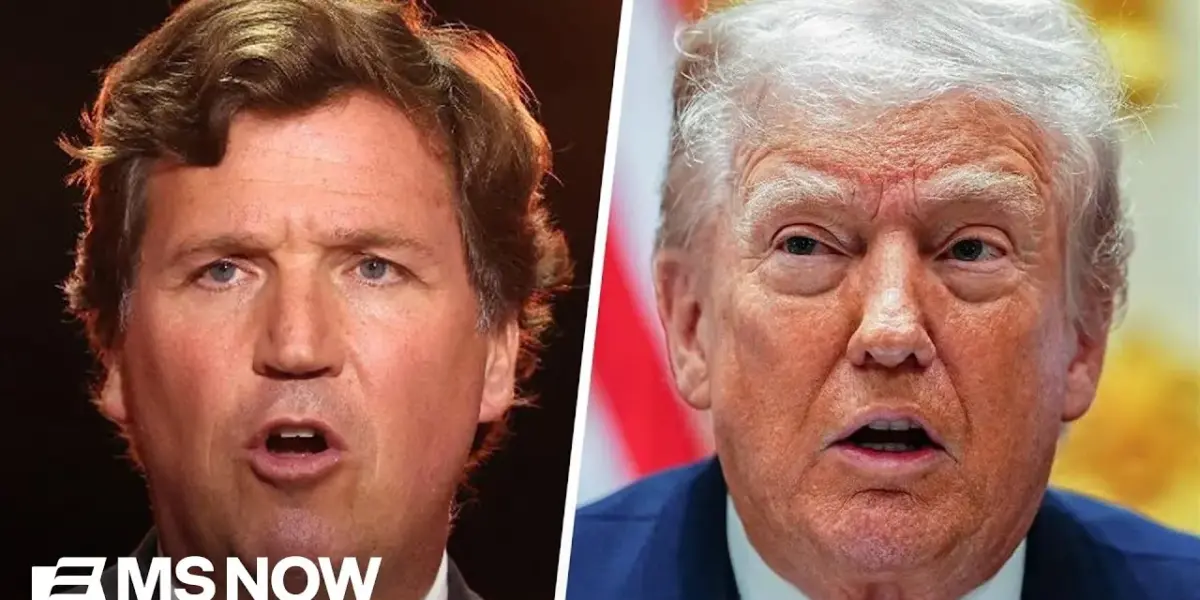
Trump’s Iran Strikes Ignite Controversy Within His Own Base
In a significant departure from traditional wartime unity, President Donald Trump’s recent military actions against Iran are facing criticism not only from political opponents but also from within his own MAGA base. This unexpected dissent raises questions about the potential political implications for Republicans as the conflict unfolds, with some analysts suggesting that a prolonged or unsuccessful engagement could have severe repercussions for the former president’s political future.
A Nation Divided on Military Action
Historically, periods of American military engagement have seen a rallying effect around the Commander-in-Chief. However, early polling data following the strikes on Iran suggests a different dynamic at play.
An Emerson College poll indicated that only 27% of Americans approve of the attack, a sentiment that starkly contrasts with Trump’s campaign rhetoric. This lack of broad public support, coupled with internal party divisions, presents a unique challenge for the Republican party.
“If the war goes well, Trump will get credit for taking out the Ayatollah and maybe leaving Iran in a somewhat better place and not having a big Middle East conflagration. If things go poorly, the downside is pretty great, I think, for Trump.” – Bill Kristol
The “America First” Paradox
The core tenet of Trump’s political brand, “America First,” has long been associated with a non-interventionist foreign policy and a skepticism of foreign entanglements. This has led to a sense of bewilderment among some of his staunchest supporters who now find themselves defending actions that seem to contradict the very principles Trump has espoused for years. The criticism is not limited to fringe voices; prominent figures within the conservative media landscape have also voiced strong opposition.
Richard Stengel, a former State Department official and political analyst, observed that Trump’s brand equated to “zero wars.” He noted, “Donald Trump went on and on about the neocons getting us involved in building nations abroad and not helping the domestic economy. That is Donald Trump’s brand. And I think you’re seeing a lot of Republicans and MAGA Republicans twisting themselves to support the president, but feeling sort of befuddled like this is exactly what you ran against.”
Unintended Consequences and Public Perception
The unpredictable nature of warfare means that outcomes can rapidly shift public opinion. As Bill Kristol, Founding Director of Defending Democracy Together, pointed out, the success or failure of the military operation will be a significant factor. He elaborated, “It’s very event-specific and event-dependent, so to speak.
If the war goes well, Trump will get credit… If things go poorly, the downside is pretty great, I think, for Trump.”
The human cost of conflict, even in its early stages, is already a point of concern. The loss of American lives and equipment, coupled with the potential for further escalation, weighs heavily on public sentiment. Stengel highlighted the inherent risks: “Unintended consequences, the first law of war.” He also raised concerns about economic impacts, such as potential disruptions to oil prices and energy markets if further facilities in the Gulf are targeted.
A Departure from Presidential Rhetoric
Analysts have also noted a perceived disconnect between Trump’s public statements and the traditional language expected from a president during times of conflict. Following a ceremony honoring fallen service members, Trump’s remarks about casualties were described as casual and lacking the solemnity typically afforded to such sacrifices. This perceived inability to connect with the emotional weight of war could alienate voters who seek reassurance and empathy from their leaders.
“I have always found him unable to use the kind of language that American presidents, including George Bush, used about people who make that ultimate sacrifice, the last full measure of devotion to the country,” one analyst remarked. “Americans want to hear that.
They don’t want to hear a kind of casual thing. Well, people die in war and you have to get used to it.”
The Road Ahead
The current situation presents a precarious path for Donald Trump. While he maintains a strong grip on Republican lawmakers, a prolonged and costly conflict in Iran, especially without a clear justification or satisfactory resolution, could erode his support among the broader electorate.
The lack of a congressional vote or a direct appeal to the American people for support further complicates his position. The coming weeks and months will be critical in determining whether the MAGA base’s initial unease solidifies into widespread opposition, potentially reshaping the political landscape ahead of future elections.
Source: Some in MAGA base are criticizing Trump for Iran strikes (YouTube)

Related Articles

Reeves Targets Energy Aid, Trump’s ‘Gift’ Fuels Speculation
UK Chancellor Rachel Reeves is shifting energy support to focus on benefit recipients, a move praised by some for fiscal responsibility but questioned for its bluntness. Meanwhile, Donald Trump's vague claims of a "gift" from Iran have sparked speculation about potential de-escalation or market manipulation. Separately, Labour's Angela Rayner criticizes the party's current strategy, drawing parallels to past electoral defeats and positioning herself for future leadership.
Senator Slams Democrats Over Trump Opposition Tactics
A senator has strongly criticized Democratic senators, accusing them of being overly focused on opposing President Trump. The senator believes this strategy is making Democrats look foolish and weakening their political standing. This political commentary highlights potential voter alienation and its implications for future policy.
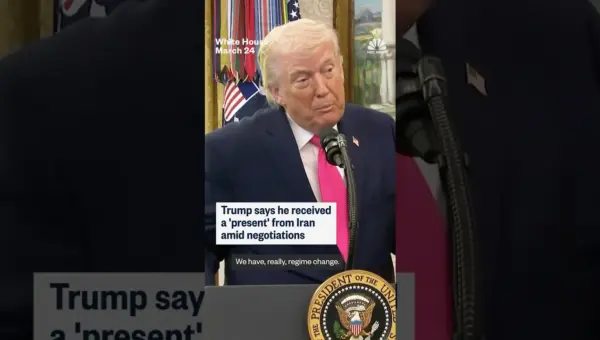
Trump Claims Iran Sent ‘Huge Present’ Amid Talks
Former President Donald Trump announced Iran sent a "very big present" worth "tremendous" value, described as oil and gas related, not nuclear. He stated the gift signaled he was "dealing with the right people" amid ongoing negotiations.