Indian Village Honors Marx, Lenin With Children’s Names
In Vani Valimpati, an Indian village, children are named Karl Marx and Lenin, a tradition born from a fight against injustice. Following a brutal 1968 massacre, villagers embraced communism to eradicate the caste system and achieve equality. This unique practice honors communist leaders and reinforces the community's enduring values.

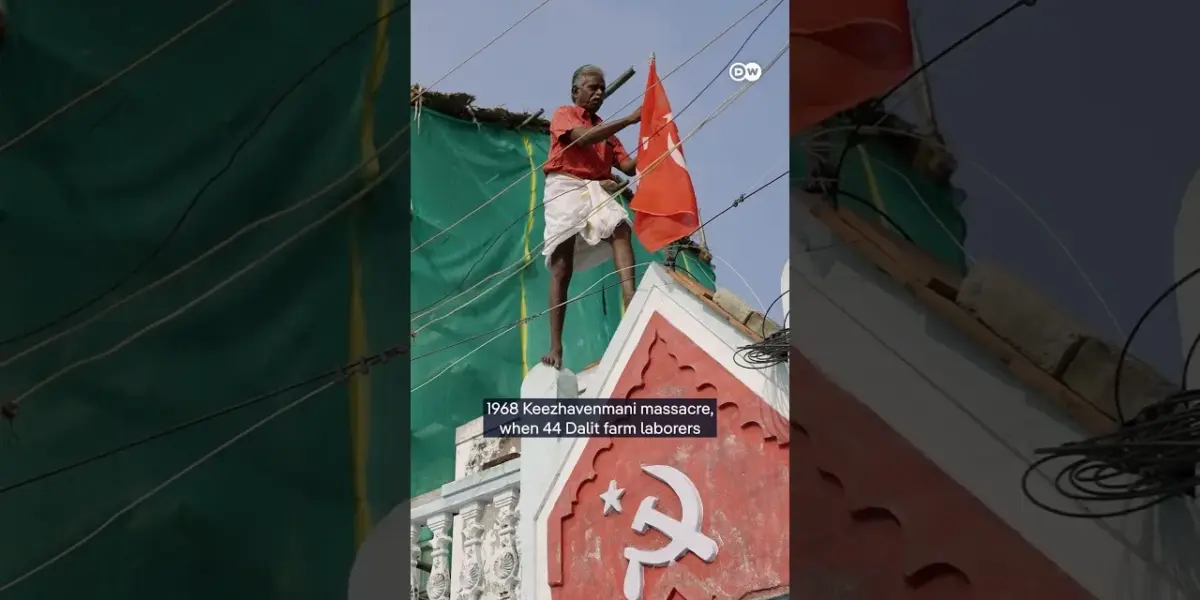
Village Names Children After Communist Leaders
In the small Indian village of Vani Valimpati, children bear names like Karl Marx, Lenin, and Fidel Castro. This tradition reflects the community’s deep-rooted communist beliefs, passed down through generations. The village, located in southern India, proudly embraces its communist identity, a legacy that began over 50 years ago.
The origins of this unique practice trace back to the tragic Kiz Vanmani massacre of 1968. This event saw 44 Dalit farm laborers burned alive after they went on strike for better wages and conditions.
A villager named Vanulli witnessed this horrific event firsthand. He returned to Vani Valimpati deeply affected and inspired to bring about change.
Fighting for Equality Through Communism
Vanulli began organizing the villagers around communist ideals. His primary goals were land reform and the complete elimination of the oppressive caste system.
He believed that communism offered a path to equality and justice for the marginalized Dalits. The villagers embraced his vision, and communist ideology became central to their way of life.
According to the villagers, this commitment to communist ideology remains strong today. They state that caste plays a minimal role in the village’s social structure.
This is a significant achievement in a country where the caste system has historically caused deep divisions and discrimination. The village’s embrace of communism has helped create a more egalitarian society.
A Tradition of Naming
Another tradition Vanulli introduced was naming children after prominent communist leaders. This practice served as a constant reminder of their political beliefs and the struggle for social justice. It was a way to honor the figures who inspired their movement and to instill these values in the younger generation.
Naga Jothi, a resident of Vani Valimpati, recently participated in this tradition. She chose to name her daughters Marcina and Lenina.
This decision reflects her personal commitment to the village’s communist heritage and her desire to pass it on. Her daughters are now part of a lineage of children named after revolutionary figures.
Broader Context and Impact
The village’s dedication to communism stands in contrast to broader political trends in India. While communism has historically been a significant force in Indian politics, its influence has waned in many areas. Vani Valimpati represents a pocket where these ideals have not only survived but thrived.
The community’s success in diminishing the role of the caste system is particularly noteworthy. It suggests that strong ideological commitments can lead to tangible social change.
The naming tradition, while symbolic, reinforces the collective identity and shared history of the villagers. It keeps the memory of their struggles and aspirations alive.
Looking Ahead
The story of Vani Valimpati offers a unique glimpse into the enduring power of political ideology at the grassroots level. It highlights how historical events can shape a community’s identity for decades. The village continues to live by the principles of equality and social justice that Vanulli championed.
Future generations in Vani Valimpati will likely continue this naming tradition. It is a powerful symbol of their history and their ongoing commitment to communist ideals. The village remains a living testament to the impact of collective action and ideological conviction.
Source: This Indian village names its children Karl Marx and Lenin | DW News (YouTube)

Related Articles

Senator Scott Predicts Cuba’s Communist Regime Collapse
Senator Rick Scott predicts the end of Cuba's communist regime, citing the failures of socialism and the desire for freedom. He criticizes Democrats for supporting authoritarian governments and contrasts this with the Republican party's focus on democracy and security. The Senator believes a popular uprising will bring about change in Cuba.


Stacey Abrams: Authoritarianism Grows by Scapegoating, Violence
Stacey Abrams warns that the U.S. is exhibiting key signs of authoritarianism, specifically scapegoating vulnerable communities and normalizing state violence. She links these tactics to the treatment of children in Texas detention centers. Abrams emphasizes that authoritarianism develops gradually, making vigilance crucial.


Walz Vows ‘Never Forget’ as Twin Cities Host ‘No Kings’ Rally
Minnesota Governor Tim Walz vowed to 'never forget' the impact of the Trump administration's ICE occupation in the Twin Cities. He stated that visible actions are being taken, which will be apparent during the 'No Kings' rallies. Walz emphasized the ongoing need for justice and accountability.