US Navy Blocks Iran’s Sea Trade, Escalating Regional Tensions
The U.S. military has announced a naval blockade on Iran, halting all sea-based trade and asserting control over maritime traffic. This action follows Iran's earlier disruption of the vital Strait of Hormuz. Experts weigh in on the legality, effectiveness, and potential for escalation, with concerns raised about China's role and the strain on U.S. naval resources.

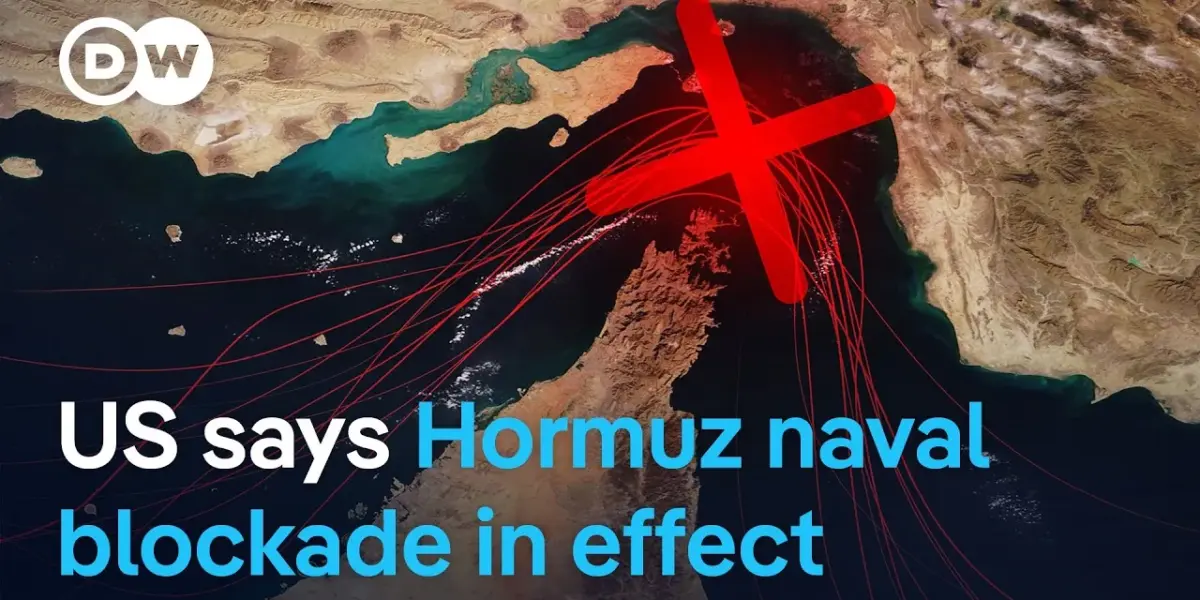
US Military Claims Control Over Iran’s Maritime Trade
The United States military announced it has successfully imposed a naval blockade on Iran, halting all sea-based trade in and out of the country. A statement from the U.S. Central Command (CENTCOM) declared that U.S. forces now have complete control over maritime traffic. This action follows Iran’s earlier disruption of shipping through the vital Strait of Hormuz, a key global route for oil and gas.
CENTCOM Commander Brad Cooper stated that the blockade of Iranian ports is fully in effect, with U.S. forces maintaining dominance at sea. This move escalates the ongoing conflict that began after Iran effectively closed the Strait of Hormuz. The disruption of this critical waterway has already caused oil and gas prices to surge, impacting the global economy.
Context of the Conflict and Diplomatic Efforts
The conflict, which has reportedly resulted in approximately 5,000 fatalities, is occurring alongside diplomatic activity. Pakistan recently hosted peace talks between the U.S. and Iran, though they were unsuccessful. A second round of negotiations is being proposed, with former President Donald Trump suggesting they could happen soon.
During a television appearance, Trump expressed his belief that the war is nearing its end. “I think it’s close to over. Yeah, I I mean, I view it as very close to over,” he said.
He added that if the U.S. were to withdraw, it would take Iran decades to rebuild. Trump also indicated that Iran appears eager to reach a deal.
Expert Analysis on Military Control and Escalation
Retired German Army Colonel Ralph Thiele, head of the security think tank Euro Defense Germany, commented on the U.S. military’s claim of “maritime superiority” in the Gulf. He explained that superiority means having significant influence in an area, but not absolute control. “Supremacy” is the term for complete dominance, suggesting the other side has no say.
Thiele expressed skepticism about President Trump’s assessment of the war ending soon. He noted that Trump’s statements often reflect his personal views rather than the reality on the ground. Thiele believes Iran currently has more potential for escalation than the U.S.
Implications of the Blockade on Iran and China
Regarding the U.S. blockade of Iranian ports, Thiele suggested it could be a tactic to gain leverage in upcoming talks. Objectively, the blockade aims to cut off Iran’s significant income from oil and gas exports.
China is a major customer, and its role is crucial. While China has an interest in maintaining peace with the U.S. and supporting talks, it could become a difficult opponent if its oil supply is threatened.
The U.S. blockade could affect China’s access to needed oil. Iran has threatened to strike ports in several Gulf countries if the blockade continues.
However, Thiele believes countries like the United Arab Emirates are well-defended and better positioned to protect their ports than Iran is to attack them. He views threats to Arab harbors as a threat to their prosperity and governance.
Strait of Hormuz Navigation and Military Resources
Shipping through the Strait of Hormuz remains challenging, with a reduced number of vessels able to pass through. This situation poses a threat to Arab nations reliant on imports.
Thiele, who has visited regional navies, believes their air defense systems are strong, making attacks on harbors difficult. He described the current situation as “stormy weather” that might pass when new talks begin.
The U.S. and Israel initially aimed for regime change in Iran, along with destroying its missile capabilities and preventing nuclear weapons development. Thiele feels these goals are no longer realistic. He anticipates Iran will continue to pursue its nuclear program for peaceful means, though it will face difficulties.
Impact on Iran’s Military Capabilities
Thiele acknowledged that U.S. and Israeli forces have significantly degraded Iran’s ballistic missile capabilities, potentially destroying 80-90% of them. This means Iran would need several years to rebuild its arsenal, temporarily lowering the military threat. However, he stressed that the threat would not disappear entirely, pointing to Iran’s use of asymmetric warfare.
Legal Aspects of the Naval Blockade
Todd Huntley, Director of Georgetown University Law Center’s National Security Law Program and a retired Navy captain, discussed the legality of the blockade. He stated that naval blockades are lawful during armed conflict if they are announced, impartial, and effective. They must also allow access to neutral ports.
Huntley noted that an initial broad declaration of a blockade by Trump might have violated international law. However, subsequent announcements by CENTCOM would make it lawful.
He pointed out that the U.S. Law of War manual requires allowing neutral vessels carrying relief supplies to pass. Huntley suggested that while the President may not consult such manuals, legal advisors to commanders would.
Challenges of Policing the Strait of Hormuz
Huntley described policing the Strait of Hormuz as very difficult, especially if the blockade is maintained for an extended period, which would strain U.S. naval resources. He expressed concern about coordinated outbound traffic combined with spoofed identification signals, which could make enforcement extremely challenging.
The deployment of Japanese minesweepers to the Gulf to clear the Strait of Hormuz highlights the importance of allies and partners in naval operations. Huntley noted that naval planning relies on partners’ capabilities, such as mine-clearing. He sees Japan’s assistance as positive but questions the President’s reluctance to rely on partners.
Recommendations for Blockade Success
Huntley advised that for the blockade to be successful, the President must define a clear end goal. He stressed the need to determine how the blockade contributes to achieving that goal and what other actions are required to support or be supported by it. Huntley concluded that the blockade alone would not guarantee victory.
Source: US military asserts control of Hormuz, choking Iran's trade artery | DW News (YouTube)

Related Articles
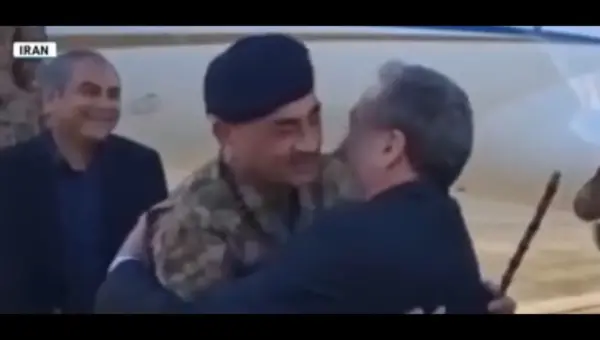
Pakistan Navigates Tehran’s Tense Diplomacy
Pakistani officials are mediating talks between Iran and the US amid rising tensions, while the US also works to calm conflict between Israel and Lebanon over Hezbollah. Israel remains militarily prepared and committed to disarming Hezbollah.
China’s Spy Satellite Aided Iran’s Attacks on US Bases
A new report reveals Iran has used a Chinese spy satellite to monitor US military bases in the Middle East, potentially aiding in recent attacks on American warplanes. Leaked documents suggest Iran purchased the satellite, which significantly outperformed its own capabilities, raising concerns about China's role in regional conflicts.
China Agrees Not to Send Weapons to Iran, Trump Claims
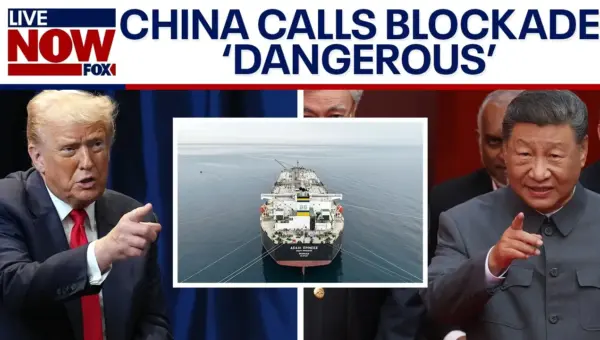
President Trump claims China has agreed to stop sending weapons to Iran, a move aimed at increasing pressure on Tehran. The U.S. is also tightening economic sanctions and enforcing a naval blockade on Iranian ports. Diplomatic talks are ongoing as a ceasefire nears its expiration.