US Imposes Naval Blockade on Iran Amid ‘Operation Epic Fury’
The U.S. has implemented a naval blockade against Iran as part of 'Operation Epic Fury,' aiming to pressure the Iranian regime while maintaining combat readiness. Officials revealed the operation includes an 'ironclad blockade' and a direct message to Iran's leadership about dwindling military capabilities. The U.S. Navy is enforcing the blockade on all ships entering or leaving Iranian ports, with escalating force options available.

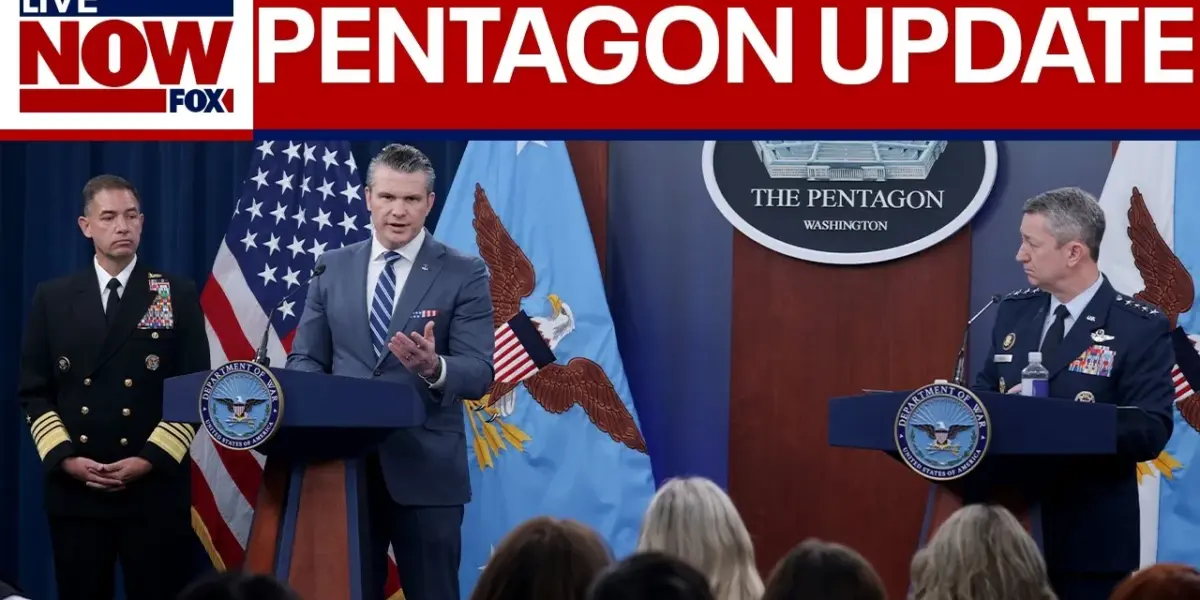
The United States has implemented a naval blockade against Iran as part of a broader military operation, dubbed ‘Operation Epic Fury.’ The move comes amid heightened tensions and follows a temporary pause in major combat operations. U.S. officials stated that the operation aims to pressure Iran’s leadership to agree to a deal, while also ensuring readiness to resume combat if necessary.
‘Operation Epic Fury’ Details Unveiled
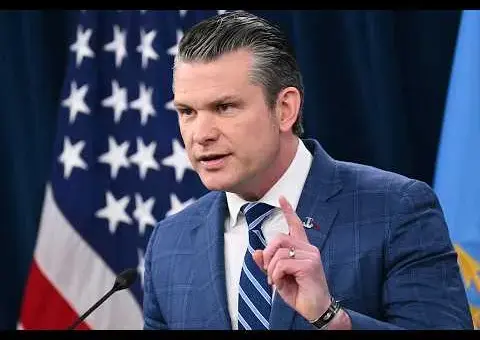
During a press briefing, Secretary Hegseth provided an update on the ongoing military actions. He was joined by Admiral Bradley Cooper, commander of CENTCOM, who had recently returned from the front lines.
Admiral Cooper briefed officials on the latest developments, emphasizing the readiness of U.S. forces. The operation includes an ‘ironclad blockade’ designed to posture forces for a swift return to combat operations should Iran’s leadership not agree to terms.
Secretary Hegseth issued a direct message to Iran’s military, KH, and IRGC leadership. He stated, “We’re watching you. Our capabilities are not the same.
Our military and yours. Remember, this is not a fair fight.” He highlighted that Iran’s remaining military assets are dwindling, with no ability to replace them or reconstitute their defense industry. In contrast, U.S. forces are described as reloading with greater power and improved intelligence.
“Your energy is not moving and will not move. We can do this all day, but it’s not destroyed yet. Your energy industry is not destroyed yet.”
The blockade targets Iran’s critical dual-use infrastructure, remaining power generation, and energy industry. Officials stressed that the U.S. would prefer not to take these actions but is prepared to do so at the direction of the President.
Naval Blockade Enforcement
The chairman elaborated on the blockade, which began on Monday, April 13th, at 10:00 a.m. Eastern Standard Time. This blockade applies to all ships, regardless of nationality, heading into or from Iranian ports.
The enforcement occurs within Iran’s territorial seas and international waters. The U.S. joint force is actively pursuing any Iranian-flagged vessel or those attempting to provide material support to Iran, including ‘dark fleet’ vessels carrying Iranian oil.
More than 10,000 sailors, marines, and airmen, along with over a dozen ships and dozens of aircraft, are involved in executing this mission. The operation utilizes a common operating picture for real-time monitoring.
Graphics displayed during the briefing showed blockade lines and the movement of U.S. and Iranian ships. Warnings are issued to vessels attempting to breach the blockade, with escalating force options available if compliance is not met.
The briefing detailed the process of interdiction, showing how U.S. forces moved to intercept potential blockade runners. Warnings were transmitted, stating, “Do not attempt to breach the blockade. Vessels will be boarded for interdiction and seizure transiting to or from Iranian ports.
Turn around or prepare to be boarded. If you do not comply with this blockade, we will use force.” Over 13 ships have reportedly turned around before attempting to breach the blockade.
A Message to the Press and a Call for Wisdom
Secretary Hegseth also addressed the press corps, criticizing what he called “relentlessly negative coverage.” He drew a parallel between some media outlets and the Pharisees in the Book of Mark, who he argued were more interested in finding fault than acknowledging good deeds. He urged the press to recognize the “historic success of our troops” and the “brilliance of our American warriors.”
He highlighted recent successes, including historic recruiting numbers for the Air Force and Space Force, which met higher goals five months ahead of schedule. The Marine Corps and Army are expected to follow suit. Hegseth questioned the lack of coverage for these positive developments, labeling critical outlets as “fake news.”
Admiral Cooper shared his personal assessment from recent trips to the Middle East, stating that U.S. troops are “highly motivated, focused, vigilant, and ready.” He noted that during the ceasefire, forces are rearming, retooling, and adjusting tactics. He also emphasized the strength of partnerships with regional allies, describing military collaborations as stronger than ever.
Allies and Future Actions
Discussions with regional allies, including Bahrain, UAE, Saudi Arabia, Qatar, Kuwait, and Jordan, reinforced a shared commitment to regional security. Admiral Cooper noted that these nations have been “exceptional teammates.” He also highlighted close alignment with Israel, stating that the four best air forces in the world—Israeli, U.S. Air Force, U.S. Navy, and U.S. Marine Corps—have exceeded military objectives together.
Regarding the possibility of an international force to phase out U.S. military-led escorts, officials expressed skepticism about the commitment of many allies. While acknowledging that other countries should be able to defend waterways, they noted that many have offered talk rather than action. The U.S. stated it would welcome other countries stepping in after the heavy lifting is done but stressed that reliance on America for continuous heavy lifting is unsustainable.
When asked about the Houthis, officials confirmed they have stayed out of the Strait of Hormuz and Bab al-Mandab. They believe this is a result of demonstrated U.S. capabilities that have made them hesitant to act.
The briefing concluded with a reminder of the dedication of U.S. service members, with Admiral Cooper highlighting the morale of American troops as very high. He described them as motivated young men and women who understand the consequential nature of their mission.
Source: Sec Hegseth, Gen Caine provide update on Operation Epic Fury (YouTube)

Related Articles
US Warns Iran: Choose Deal or Face Blockade and Bombs
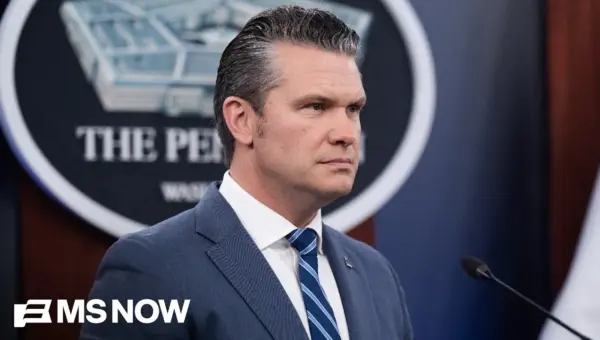
The U.S. military has issued a stark warning to Iran, urging the regime to choose a diplomatic deal or face a combination of naval blockade and targeted strikes. Admiral Bradley Cooper detailed Operation Epic Fury, highlighting U.S. military superiority and intelligence capabilities. The U.S. also criticized negative media coverage, praising troops' achievements.

Trump’s Desperate Bid for a Win Amidst Global Tensions
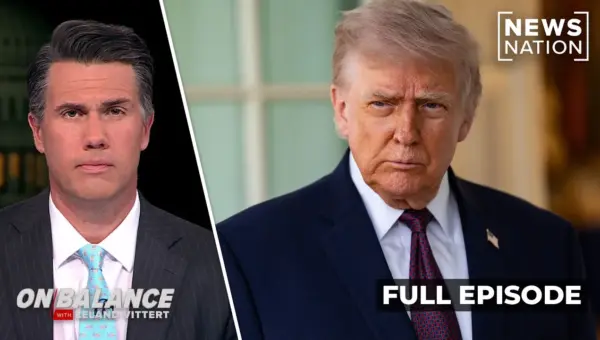
President Trump is seeking a decisive win amidst a public feeling of unease and a complex foreign policy challenge with Iran. The Strait of Hormuz standoff and China's role add significant global tension. Analysts debate perception versus reality, while the upcoming midterms loom.
US Tightens Grip: Iran Faces Blockade and Economic Fury
The U.S. has implemented a naval blockade against Iran, crippling its energy exports and intensifying economic pressure. Officials state Iran's military is depleted, while the U.S. is stronger with superior intelligence. The operation aims to force Iran to choose between a diplomatic resolution or severe consequences.