Profits Surge Amidst Iran Conflict: Who Benefits?
As geopolitical tensions rise, oil companies, defense contractors, and prediction markets are reporting significant financial gains. While the human cost of conflict mounts, these industries are cashing in on global instability and uncertainty. Catherine Rampell's analysis highlights this complex economic reality.

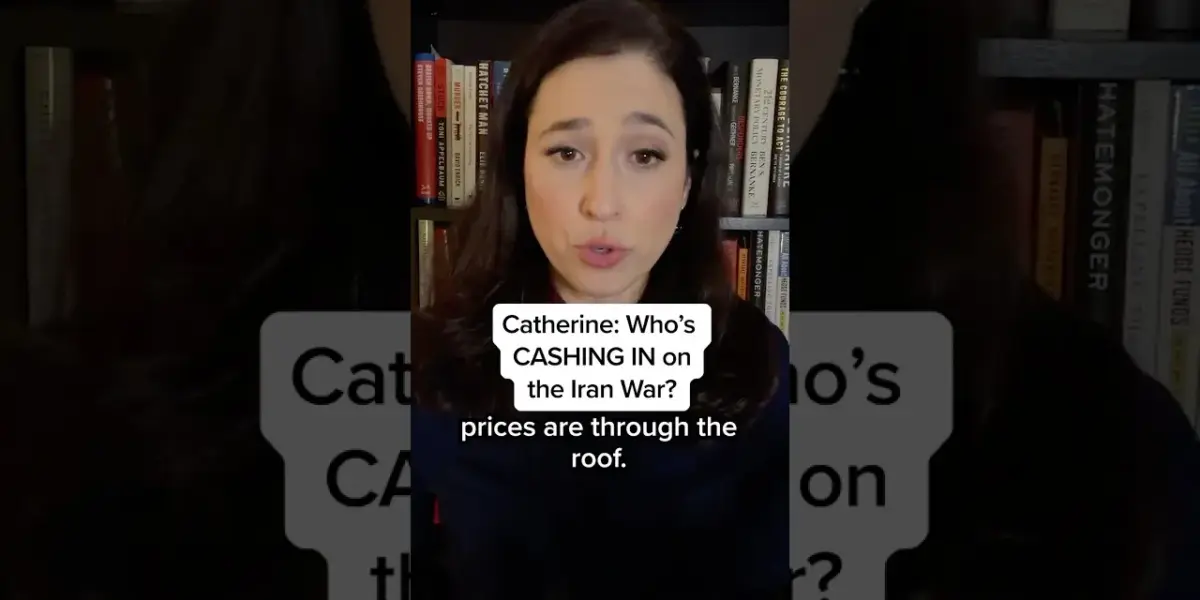
Oil, Defense Firms, and Prediction Markets See Gains as Tensions Rise
As conflict escalates in the Middle East, some industries are reporting significant financial gains. While nations grapple with the human cost of war, a closer look reveals that oil companies, defense contractors, and even prediction markets are experiencing a financial boom. This stark contrast highlights how geopolitical instability can create unexpected economic winners.
Catherine Rampell, co-anchor of “The Weekend: Primetime,” recently explored this complex issue, identifying key sectors profiting from the ongoing tensions surrounding Iran. Her analysis, presented on MS NOW, suggests a troubling trend where financial interests seem to benefit from widespread conflict and uncertainty.
The Oil Price Rollercoaster
One of the most immediate impacts of Middle Eastern conflict is its effect on global oil prices. When tensions rise in a region that is a major oil producer, the supply chain often becomes uncertain. This uncertainty directly translates into higher prices for crude oil on the world market.
Higher oil prices mean increased revenue for oil companies. These companies, already significant players in the global economy, see their profits climb as the cost of the commodity they extract and sell goes up. This situation creates a direct financial incentive for maintaining a certain level of global instability, even as consumers face higher prices at the pump.
Defense Industry Sees Increased Demand
Beyond oil, the defense industry is another sector that often experiences a surge in activity during times of geopolitical conflict. Nations facing external threats or engaging in military operations require more equipment, technology, and services from defense contractors.
This increased demand translates into larger contracts and higher sales for companies that manufacture weapons, aircraft, surveillance systems, and other military hardware. The cycle of conflict, therefore, fuels significant growth for these corporations, raising ethical questions about their role in perpetuating hostilities.
Prediction Markets: Betting on Uncertainty
Perhaps a less obvious, but equally significant, beneficiary is the realm of prediction markets. These platforms allow individuals to bet on the outcome of future events, including political developments and conflicts. As geopolitical situations become more volatile, these markets see increased activity.
Traders on prediction markets can profit by correctly anticipating the direction of events, such as the escalation of a conflict or the impact of sanctions. This creates a financial incentive for engaging with and even profiting from uncertainty and potential negative outcomes for nations involved in disputes.
Broader Economic and Social Implications
The financial gains seen by these industries occur against a backdrop of immense human suffering and economic disruption for many. Higher energy costs impact households and businesses worldwide, potentially leading to inflation and reduced economic activity.
The flow of money towards war-related industries also raises questions about resource allocation. Funds that could be directed towards social programs, infrastructure, or green energy are instead channeled into military spending and the production of instruments of conflict.
Looking Ahead
As the situation in the Middle East continues to evolve, the financial implications for these industries will likely remain a critical area of focus. Analysts will be closely watching the quarterly earnings reports of major oil and defense corporations for further evidence of their gains.
The activity on prediction markets will serve as an ongoing indicator of global sentiment regarding the conflict’s trajectory. The next earnings calls for major oil and defense companies are scheduled for late next quarter, providing a concrete point to assess their performance.
Source: Catherine: Who's CASHING IN on the Iran War? (YouTube)

Related Articles
Iran’s Economy Crumbles Under Oil Blockade Pressure
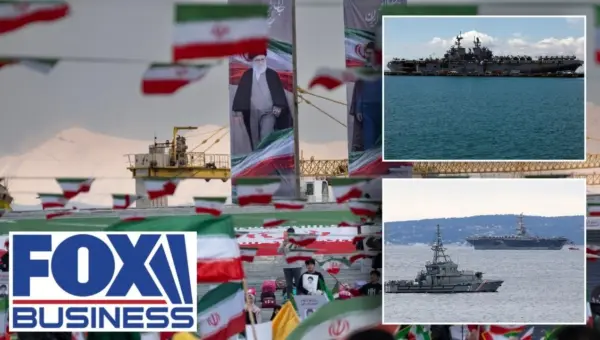
Iran's economy is facing severe strain as U.S. oil sanctions lead to daily losses of roughly $500 million in revenue. This financial pressure, coupled with military disruptions, leaves the Iranian regime with limited options. Meanwhile, U.S. oil exports are surging.


UK, Ukraine Launch AI Data Center for War Tech
Britain and Ukraine are establishing a joint AI data center in Ukraine to accelerate military technology development. The center will allow Britain to access wartime data for AI training and strategic planning, aiming to provide a technological edge amidst ongoing conflict.


Trump Signals Tough Stance on Iran, Ignores Political Pain
President Trump is taking a firm stance against Iran's nuclear program, signaling a willingness to endure potential political and economic costs. Despite concerns about rising gas prices and upcoming midterm elections, the administration prioritizes addressing the Iranian nuclear threat directly.