US Blockades Hormuz Strait, Sparking Global Oil Fears
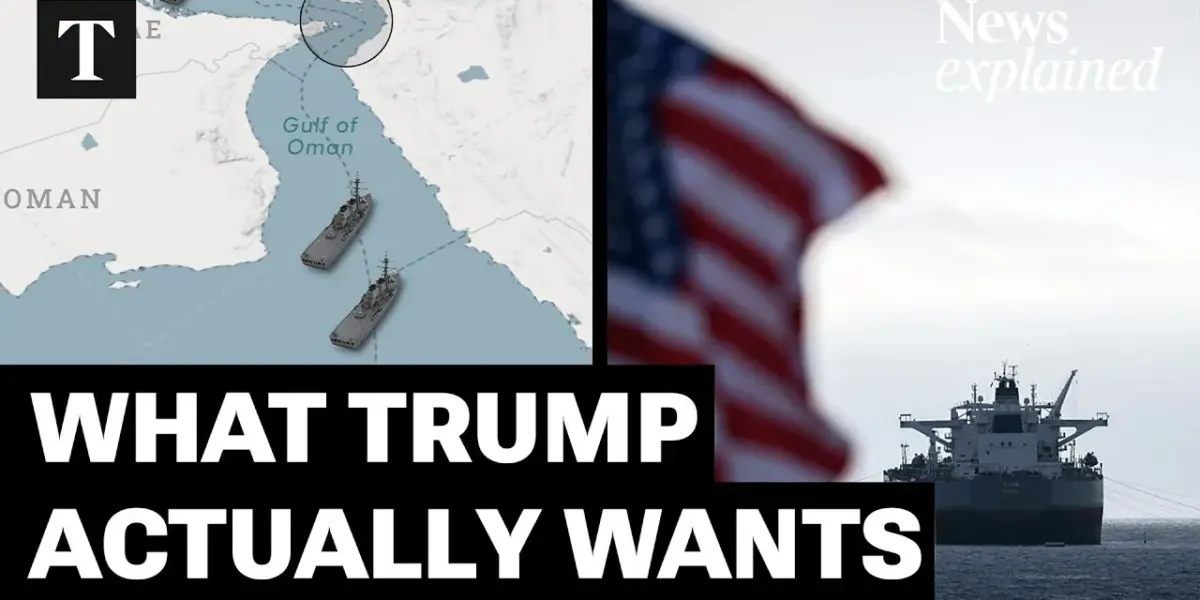
The U.S. has initiated a blockade of the Strait of Hormuz, a critical global oil transit point, following Iran's closure of the waterway. This action has led to a sharp rise in oil prices worldwide and sparked concerns about global inflation. The situation remains tense as diplomatic efforts falter and the full economic impact is yet to be seen.

US Launches Hormuz Strait Blockade Amid Rising Tensions
President Trump has initiated a high-stakes blockade of the Strait of Hormuz, threatening military action against Iranian vessels. The move comes after Iran announced the closure of the vital shipping lane following alleged attacks by the U.S. and Israel that resulted in the death of Iran’s Supreme Leader, Ayatollah Ali Khamenei. This drastic action has sent shockwaves through global markets, raising concerns about oil supply and potentially leading to worldwide inflation.
Why the Strait of Hormuz is Critically Important
The Strait of Hormuz is not just a body of water; it’s a critical global choke point. Situated between the Persian Gulf and the open ocean, it is the sole sea passage for oil exports from the region. Approximately one-fifth of the world’s oil consumption passes through this narrow waterway daily. Its strategic importance cannot be overstated, making any disruption a major global concern.
Iran’s Response and U.S. Escalation
On March 2nd, Iran’s Islamic Revolutionary Guard Corps declared the Strait of Hormuz closed. This followed accusations that the U.S. and Israel were responsible for an attack that killed Supreme Leader Ayatollah Ali Khamenei. The IRGC stated that all navigation through the Strait would be forbidden, a move that immediately impacted global oil prices. The closure led to a sharp increase in oil prices worldwide, with experts warning that the full effect on prices is yet to be seen.
Trump’s Social Media Declaration and Contradictions
In response to Iran’s closure, President Trump announced on his social media platform, Truth Social, that the U.S. Navy would begin blockading any ships attempting to enter or leave the Strait of Hormuz. He issued a stern warning: “Any Iranian who fires at us or at peaceful vessels will be blown to hell.” He further stated, “We are fully locked and loaded and our military will finish up the little that is left of Iran.” This post was later deleted.
Adding to the confusion, President Trump told Fox News that the United Kingdom had agreed to send minesweepers to assist in clearing the Strait. However, British Prime Minister Sek Stahmer later denied this, stating, “The UK will not be joining the blockade that the president announced.” This contradiction highlighted the evolving and uncertain nature of the situation.
U.S. Central Command Clarifies Blockade Scope
The U.S. Central Command (CENTCOM), responsible for military operations in the Middle East, initially stated it would blockade all maritime traffic entering and exiting Iranian ports. However, CENTCOM later issued a clarification. They announced that their forces would not interfere with the freedom of navigation for vessels passing through the Strait of Hormuz as long as they were traveling to or from non-Iranian ports.
This clarification had an immediate effect. Within the first 24 hours, several ships, including a tanker linked to China, successfully crossed the Strait without facing any retaliation. This suggests a more limited approach to the blockade than initially suggested by the President’s statements.
Global Impact and Future Concerns
Despite the clarification, critics question how this blockade will compel Iran to reopen the Strait. Several countries have already declared energy emergencies due to the ongoing closure. Analysts believe the full economic consequences of the disruption are still unfolding. As peace talks remain stalled and oil prices continue their upward trend, the global impact of the Hormuz Strait situation is a major concern.
The coming days will be crucial as the world watches to see if diplomatic channels can reopen and de-escalate the situation. The continued volatility in oil prices and the potential for further geopolitical instability remain key factors to monitor.
Source: Why Is the US Blockading the Strait of Hormuz? (YouTube)

Related Articles


US Imposes Iran Port Blockade; Peace Talks Loom Amid Tensions
U.S. forces have fully implemented a blockade on Iranian ports, halting trade amid escalating Middle East tensions. Peace talks between the U.S. and Iran are reportedly on the horizon, though Iran's nuclear program remains a key obstacle. Meanwhile, historic direct talks between Israel and Lebanon took place in Washington, marking a significant diplomatic step.
Oil Prices Dip 5% as Iran Port Blockade Eases
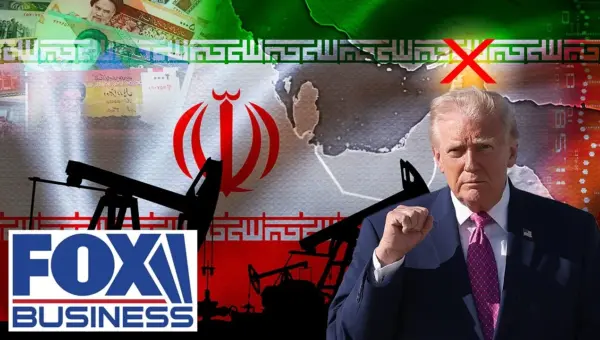
Oil prices dropped 5% below $100 a barrel as a U.S. blockade on Iranian ports was fully implemented. Tankers reversed course amid potential peace talks. The administration also highlighted deregulation efforts to boost domestic energy production and exports.
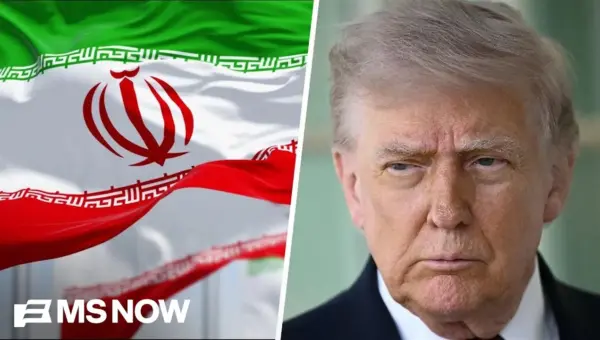
Trump Claims Iran War Nearing End Amid Conflicting Reports
President Trump has declared the conflict with Iran is nearing its end, but conflicting reports highlight the complexities of the U.S. naval blockade. Experts question the administration's optimism, citing Iran's historical resilience and the significant resources required to maintain the blockade. Geopolitical shifts, including potential U.S. withdrawal from NATO and China's growing assertiveness, add further layers of uncertainty to the evolving situation.