US Blinded by Past Power, Faces Iran’s New Resolve
Lt. Col. Daniel Davis argues the US is clinging to outdated notions of power, failing to grasp Iran's new resolve. This miscalculation risks escalating economic instability and highlights the limits of military intervention.

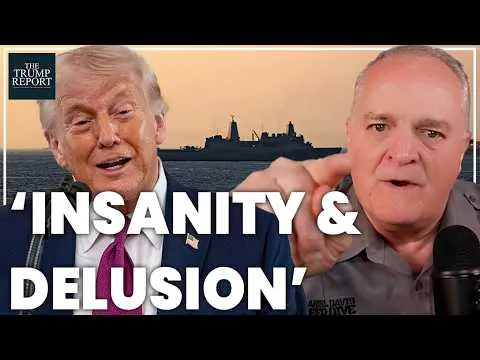
US Misjudges Iran’s Strength, Risks Economic Fallout
For decades, the United States operated under the assumption that it was the dominant global power, able to dictate terms and walk away from conflicts at will. However, this long-held belief is now being challenged by Iran’s firm stance, creating a diplomatic and economic crisis. This shift marks a new era where the US can no longer force its will on other nations.
Lieutenant Colonel Daniel L. Davis, a former US Army officer and host of the “Daniel Davis Deep Dives” YouTube channel, argues that the US is struggling to adapt to this change.
He points to the confusing and contradictory messages coming from the White House regarding a ceasefire extension and a deal with Iran. This lack of a clear strategy suggests a deeper problem: the US may not have a coherent plan to navigate this new reality.
A Missed Opportunity and Escalating Tensions
The current situation with Iran is partly a result of past decisions. In February, Iran reportedly offered a deal that included zero enrichment of uranium, removal of all stockpiles, and acceptance of inspectors.
This was considered a diplomatic win, a “gold standard” by Davis. However, President Trump rejected this offer, demanding complete submission from Iran.
This rejection proved to be a critical turning point. Iran, previously in a position of weakness and eager to avoid war, was forced into a conflict.
Having weathered the storm of US actions and realizing the US cannot sustain a prolonged conflict, Iran’s confidence has grown significantly. This has led to more assertive demands and a willingness to endure economic hardship.
The Limits of Military Power
The US has explored military options, including extensive bombing campaigns with advanced weaponry. Despite destroying infrastructure and causing casualties, these actions have failed to bring Iran to its knees. Iran’s extensive network of underground facilities, designed to withstand even nuclear attacks, has rendered conventional military strikes largely ineffective.
The idea of a US ground invasion is deemed unrealistic and suicidal. The US military lacks the necessary troop numbers, and the mountainous terrain of Iran heavily favors defenders. This leaves the US with limited military options, a point underscored by the struggles of other nations in similar conflicts.
Iran’s Unwavering Stance
While Western commentary has suggested internal divisions within Iran, Davis argues this is a misinterpretation of normal statecraft. He notes that key figures across the Iranian government, from the president to military spokesmen, are presenting a united front. This consistency in messaging suggests that Iran’s leadership is unified in its resolve not to yield to US demands.
The Iranian side’s position remains consistent: they will not engage in negotiations until sanctions are lifted and blockades are removed. They are prepared to counter any aggressive actions with their own measures. This unwavering stance leaves the US in a difficult position, as their previous tactics of threats and bluffs are no longer effective.
Economic Consequences and a Delusional Outlook
The ongoing tensions and blockades are already having significant global economic impacts. Oil prices, while not at their absolute peak, are causing real-world shortages and rationing in places like Asia and Australia. The lack of fertilizer, a key Iranian export, poses a looming threat of food insecurity and higher production costs worldwide.
Davis criticizes the US administration’s belief that the current situation can be sustained until the midterms as delusional. The physical absence of supply is creating a significant gap between demand and availability, leading to inevitable price increases and disruptions. The market, driven by physical realities, will eventually correct these unsustainable conditions.
Why This Matters
This situation highlights a critical shift in global power dynamics. The US, accustomed to being the sole superpower, is facing a world where other nations are more assertive and less willing to comply with American demands. This requires a fundamental reevaluation of US foreign policy and a more realistic approach to diplomacy.
The economic consequences of this standoff are far-reaching. Disruptions in oil and fertilizer supplies can lead to inflation, food shortages, and broader economic instability. Nations that rely on these resources will feel the impact, potentially leading to social and political unrest.
The Path Forward: Diplomacy or Continued Conflict
The only viable path to resolving the Strait of Hormuz blockade and restoring global economic stability lies in negotiations that Iran will accept. The US has, in the past, squandered diplomatic opportunities and withdrawn from agreements, leading to a high bar for future trust. Iran’s demands are likely to remain high, as they seek assurances for their national security.
Ultimately, the decision rests with President Trump. While prediction markets suggest a potential resolution by May or June, the conflict could continue indefinitely if diplomatic solutions are not pursued.
The current situation is a political choice, not a predetermined military outcome. The US must acknowledge its past failures and adapt to a new global order where its unchallenged dominance is a relic of the past.
Accountability and Future Outlook
Looking ahead, Davis calls for accountability for the decisions that led to this point. He believes President Trump, as the ultimate decision-maker, must be held responsible. He also stresses the need to shine a spotlight on advisors and military officials who advocated for policies that proved to be misguided and ineffective.
The situation in Iran is a clear reminder that military might alone cannot solve complex geopolitical challenges. Diplomacy, a clear strategy, and an understanding of evolving global dynamics are essential.
The US must confront its own delusions of perpetual dominance and engage with the world as it is, not as it once was. The future hinges on a willingness to negotiate and a realistic assessment of capabilities and limitations.
Source: ’No way’ Trump can continue like this until the midterms | Lt Col Daniel Davis (YouTube)

Related Articles

Iran Seizes Ships; Navy Chief Ousted Amid Tensions
Iran seized two ships and attacked three others in the Strait of Hormuz, while the U.S. maintains its naval blockade. Amid rising tensions, Navy Secretary John Fallon was reportedly ousted due to disagreements. Meanwhile, wildfires rage across the South, and millions brace for severe weather in the Midwest.
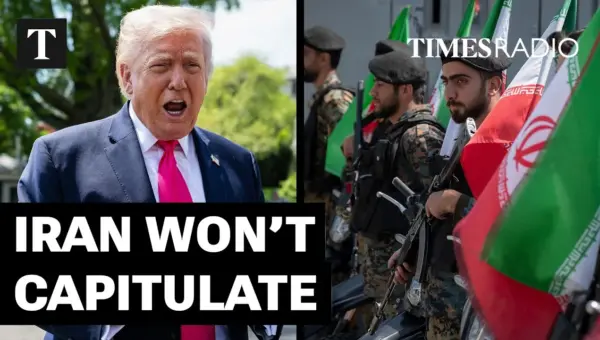
Iran, US in High-Stakes “Game of Chicken” Over Hormuz
A "high-stakes game of chicken" is unfolding between Iran and the U.S. over the Strait of Hormuz, according to former UK Ambassador Rob McCair. Economic pressure mounts on Iran, but it has shown resilience. The crisis raises fears of potential state collapse and highlights the international community's struggle to find a diplomatic solution.


Iran Standoff: Trump’s War Strategy Under Fire
Iran fired on ships and seized two in the vital Strait of Hormuz, escalating tensions despite a fragile cease-fire. Critics argue President Trump's advisors, not historical strategy, led to the current dangerous standoff. The effectiveness of the U.S. naval blockade is now being questioned as global economic impacts loom.