Jets Eye Edge Rushers, Love Debate Ignites Draft
The NFL Draft is set for a thrilling start as the New York Jets consider edge rushers Arll Reese and David Bailey. Meanwhile, the debate rages over Notre Dame running back Jeremiah Love, with analysts divided on his draft value at pick number three. Quarterback prospects Fernando Mendoza and Ty Simpson also face scrutiny.

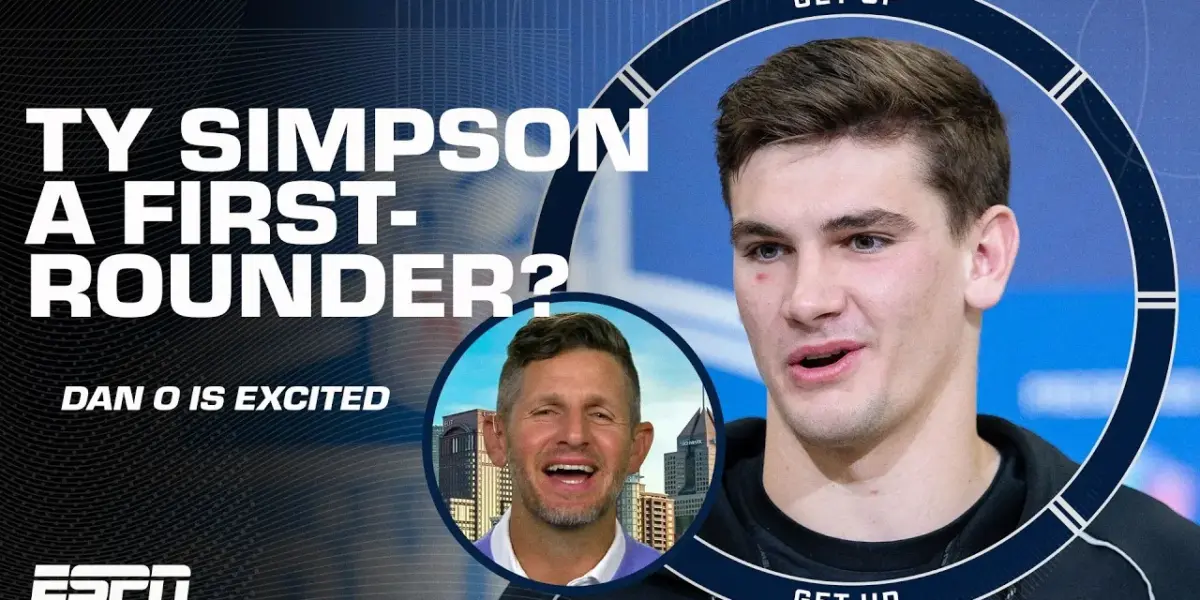
Jets Eye Edge Rushers, Love Debate Ignites Draft
The NFL Draft is heating up, and the New York Jets are reportedly zeroing in on two promising edge rushers with the second overall pick: Arll Reese from Ohio State and David Bailey from Texas Tech. While the Jets are keeping their cards close to their chest, sources suggest Reese might be the pick, though others lean towards Bailey. What the Jets decide will send ripples through the rest of the draft, shaping team strategies and player destinies.
This decision is huge for the Jets, who are desperate to improve their defense after a historically bad season. They recorded zero interceptions last year, a stat that’s unacceptable, especially for a defense-minded head coach.
Arll Reese is seen as a raw talent with high potential as a pass rusher, while David Bailey is considered the more polished, ready-to-play option. Jordan, acting as the GM, believes Bailey is the clear choice at number two.
Bailey Over Reese for Immediate Impact
Jordan argues that David Bailey is the player who can make an immediate impact. Bailey led college football with 14.5 sacks last season, proving he can disrupt the quarterback and force turnovers right away.
The Jets already have players with a similar build to Arll Reese, like Will McDonald, a 2023 first-round pick. Adding Bailey would provide a different dynamic and balance to their pass rush, rather than drafting another player with the same skillset.
“Day one, David Bailey is going to make a bigger impact,” Jordan stated. “He led the college football in sacks last year with 14 and a half.
They need a guy that day one makes that impact. Disrupt the quarterback, force some more turnovers.” This focus on immediate production highlights the team’s urgency to win now.
Cardinals’ Dilemma at Number Three
As the draft moves to number three, the Arizona Cardinals are hoping to trade down to acquire more picks. However, if they stay put, they face a tough decision.
One possibility is drafting Notre Dame running back Jeremiah Love, who might be the best player available on their board. The Jets’ pick at number two could influence this, potentially opening doors for teams to trade up for the remaining edge rusher.
If the Cardinals select Jeremiah Love, the Tennessee Titans, picking fourth, will then have to consider their options. Their needs are defense or wide receiver.
However, if Love is still available, the Titans might see him as an offensive playmaker, even over a receiver. This scenario highlights how one pick can dramatically alter the plans of multiple teams.
The Jeremiah Love Controversy
The debate over Jeremiah Love’s draft stock is intense. While some scouts consider him one of the best players in the draft, the idea of drafting a running back third overall is highly controversial. The cost of a top running back contract is a major concern, with guaranteed money potentially exceeding that of established stars like Saquon Barkley, Christian McCaffrey, and Derrick Henry.
“Under no circumstance can you take Jeremiah Love number three,” one analyst argued. “You’re going to owe him $50 million in guaranteed money.
That’s more than Saquon, more than Christian McCaffrey, more than Derrick Henry. You can’t do that.”
Concerns also exist about Love’s performance against top competition. He reportedly struggled against elite defenses in college, including being shut down in a bowl game and having a minimal impact against Ohio State and Miami. This lack of consistent production against the best makes some question if he’s a truly generational talent worthy of such a high pick.
A Different Perspective on Running Back Value
However, not everyone agrees with the conservative approach to drafting running backs. Some argue that successful organizations like the Eagles, 49ers, Ravens, Packers, Chiefs, and Bills all pay their running backs significant money, suggesting the position might be undervalued. This perspective questions whether the league is overlooking the true impact of a top-tier running back.
The counter-argument emphasizes the importance of value in the draft and salary cap league. The goal is to get the most out of rookie contracts.
Spending a top pick on a running back, who will receive a standard slotted contract regardless of position, means potentially overpaying for that role compared to other positions. For example, a running back drafted third overall would get a similar contract to a quarterback or edge rusher, but the guaranteed money might not align with the position’s typical value.
Giants Eyeing Talent at Five and Ten
The New York Giants hold picks five and ten, putting them in a strong position. They are reportedly interested in Jeremiah Love if he falls, but also have their eyes on Ohio State’s Caleb DS (safety) and Sunny Styles (linebacker). This gives them flexibility to either take a player they love at five or potentially trade down and still secure a valuable prospect later.
The Giants need to decide if they should take a player they covet at five, knowing he might not be available at ten. This strategic dilemma is common in the early rounds of the draft, forcing teams to balance immediate needs with long-term roster building.
Quarterback Debates: Mendoza and Simpson
The conversation also shifts to quarterbacks, specifically Fernando Mendoza and Ty Simpson. Mendoza, playing for a Raiders team that signed Kirk Cousins, is expected to sit and learn for a full year. This plan allows him to develop in a new system without immediate pressure, especially since he didn’t run many pure progressions in college.
Ty Simpson, on the other hand, is projected by some as a top-20 pick. His ability to process plays pre- and post-snap is seen as elite, a trait that’s hard to find.
Despite concerns about his 15 starts in college and a less-than-dominant Alabama team last year, his tape suggests high potential. The debate is whether the NFL is evaluating quarterbacks correctly if Simpson isn’t a first-round pick.
Evaluating Quarterback Talent
The discussion highlights a key question: are NFL teams evaluating quarterbacks properly? Comparing players like Anthony Richardson and Trey Lance, who were drafted high with limited starts but rare physical traits, to Simpson, whose strengths lie in processing, shows differing philosophies. Some argue that Simpson’s tape is as good as players with more experience, making his draft position a critical point of evaluation.
Ultimately, the draft is about finding value and building a winning team. Whether it’s an edge rusher, a running back, or a quarterback, teams are trying to maximize their chances. The decisions made in the first round will set the tone for their seasons and potentially their futures.
Source: Does finding a GREAT PLAYER still matter? 👀 – Wilbon's QUESTION about Jeremiyah Love 🤔 | Get Up (YouTube)

Related Articles

Cards Shock Draft: Love’s Speed Ignites Arizona’s Future
The Arizona Cardinals are considering a bold move, potentially drafting running back Jeremiah Love with the third overall pick. While unconventional, the team sees Love's dynamic talent as a way to energize the fanbase and create buzz, even with potential salary cap concerns.

Cowboys Draft Buzz: Clinton Crashes, Pickens Deal Off!
Former President Bill Clinton made a surprise appearance at the Dallas Cowboys' pre-draft press conference, creating a stir. Meanwhile, team executive Stephen Jones announced that the Cowboys will not offer George Pickens a long-term deal, signaling a potential shift in their roster plans.

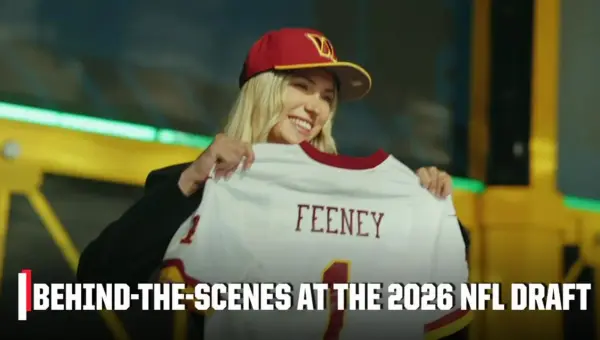
Draft Dreams: Inside the 2026 NFL Draft Experience
Katie Feeney provides an exclusive look at the 2026 NFL Draft in Pittsburgh, capturing the intense emotions of prospects from the red carpet to the Green Room. The article details the surreal journey players experience before being drafted, highlighting the culmination of years of hard work.