Iran, US in High-Stakes “Game of Chicken” Over Hormuz
A "high-stakes game of chicken" is unfolding between Iran and the U.S. over the Strait of Hormuz, according to former UK Ambassador Rob McCair. Economic pressure mounts on Iran, but it has shown resilience. The crisis raises fears of potential state collapse and highlights the international community's struggle to find a diplomatic solution.

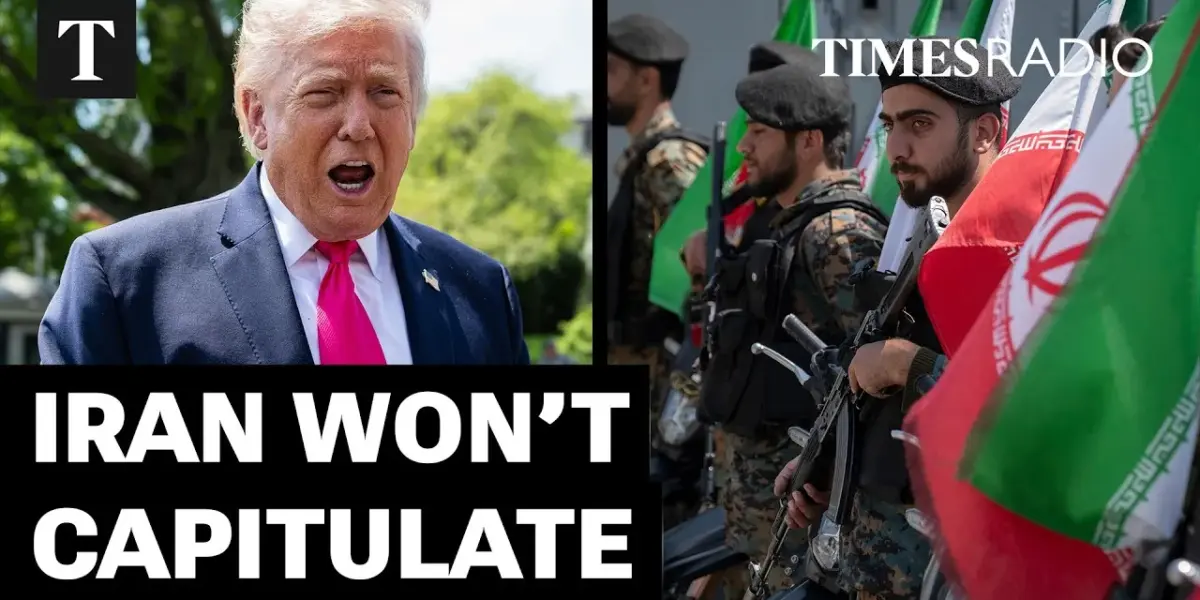
Standoff Intensifies as Iran Threatens Strait of Hormuz
A tense standoff between Iran and the United States has escalated, with both nations locked in what a former ambassador calls a “high-stakes game of chicken.” The conflict centers on the vital Strait of Hormuz, a key global shipping lane. The U.S. has extended a ceasefire with Iran but insists there is no deadline.
Meanwhile, Iranian officials are firm: the Strait of Hormuz will not fully reopen while U.S. blockades and threats against Iranian shipping continue. Iran is also considering charging ships to pass through the strait, creating a complex stalemate with no peace but also no full-blown war.
Can Iran Withstand Mounting Pressure?
Rob McCair, who served as the UK’s ambassador to Iran until 2021, believes the central question is how much pain Iran can endure. He noted that Iran has consistently shown a greater capacity to withstand pressure over months and years than Washington has anticipated.
The White House expected Iran to yield to U.S. demands, but this has not happened. The country’s economy was already struggling before recent military attacks, and the situation has worsened significantly.
“It is a sort of high stakes game of chicken, isn’t it with both sides thinking that time is on their side and they can win out with the pressure that they’re creating.”
Economic Strain and Risk of Collapse
The Iranian regime has faced significant setbacks, including losses of personnel. Reports indicate shortages in shops and a severe economic downturn.
McCair suggests that if the current pressure continues long enough, the regime could lose its ability to suppress dissent, potentially leading to widespread resistance. However, he warns that any such uprising could be met with brutal force by the regime’s loyalist security units, which show no signs of wavering.
A greater, perhaps underestimated risk, McCair explained, is the potential for the entire system to collapse, leading to widespread disorder rather than a simple regime change. While not the most likely outcome, the longer the crisis persists, the more probable a state collapse becomes. Such a scenario would be disastrous for Iran and the wider international community.
The UK’s Limited Role
The United Kingdom, having chosen not to participate in military actions against Iran, faces questions about its ability to influence the situation. As a middle-ranking power, its diplomatic options appear limited. The closure of the Strait of Hormuz is impacting the global and UK economies, raising concerns about what meaningful action the UK can take.
Seeking International Cooperation for Navigation
McCair clarified that the U.S. administration did not actively seek direct involvement from countries like the UK in military operations. However, nations like the UK, with a historical commitment to freedom of navigation, are attempting to lead efforts to bring countries together. The goal is to find ways to maintain security in the Strait of Hormuz.
He stressed that the focus is not on a military operation to force the Strait open. Instead, the emphasis is on building international cooperation and establishing frameworks to ensure the strait’s security and accessibility in the future.
This requires an agreement between Iran and the U.S., which currently seems distant. McCair noted that Iran has skillfully shifted the negotiation focus from its nuclear program to control over the Strait of Hormuz.
Looking Ahead
Efforts by the UK and France to rally a coalition highlight the international concern over the strait’s closure. The economic consequences for developing nations relying on goods passing through Hormuz, such as fertilizer, are particularly severe. The international community is seeking a diplomatic solution to prevent further escalation and restore stability to this critical waterway.
Source: Iran And US Are Playing High-Stakes Game Of Chicken | Former Ambassador To Iran (YouTube)

Related Articles

Iran Standoff: Trump’s War Strategy Under Fire
Iran fired on ships and seized two in the vital Strait of Hormuz, escalating tensions despite a fragile cease-fire. Critics argue President Trump's advisors, not historical strategy, led to the current dangerous standoff. The effectiveness of the U.S. naval blockade is now being questioned as global economic impacts loom.


Missing Scientists and Financial Discrepancies Raise Alarms
An investigation has been launched into the mysterious disappearances and deaths of 11 scientists working in critical U.S. research programs. Concurrently, significant discrepancies in Congresswoman Ilhan Omar's financial disclosures are under scrutiny. Both situations raise serious questions about national security and financial integrity.

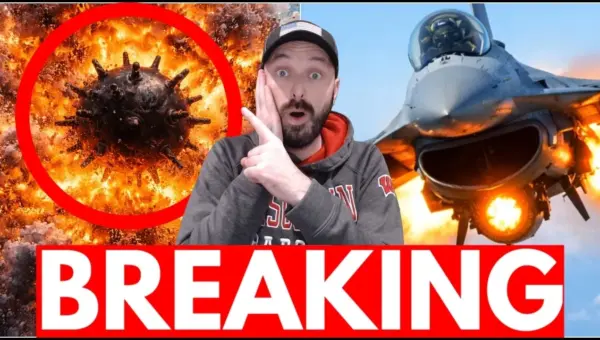
Iran’s Aggression Escalates: Strait of Hormuz Under Siege
Iranian forces have seized commercial ships in the Strait of Hormuz, escalating regional tensions. U.S. fighter jets have intercepted Iranian drones over Iraq, while reports indicate Iran is mining the vital waterway. The situation remains volatile with no clear path to de-escalation.