Trump’s Iran Blockade: $159 Billion Blow
President Trump has imposed a naval blockade on Iran's oil exports, aiming to cripple its economy. This move could cost Iran $159 billion annually, exceeding its entire budget. The strategy seeks to force Iran back to nuclear negotiations.

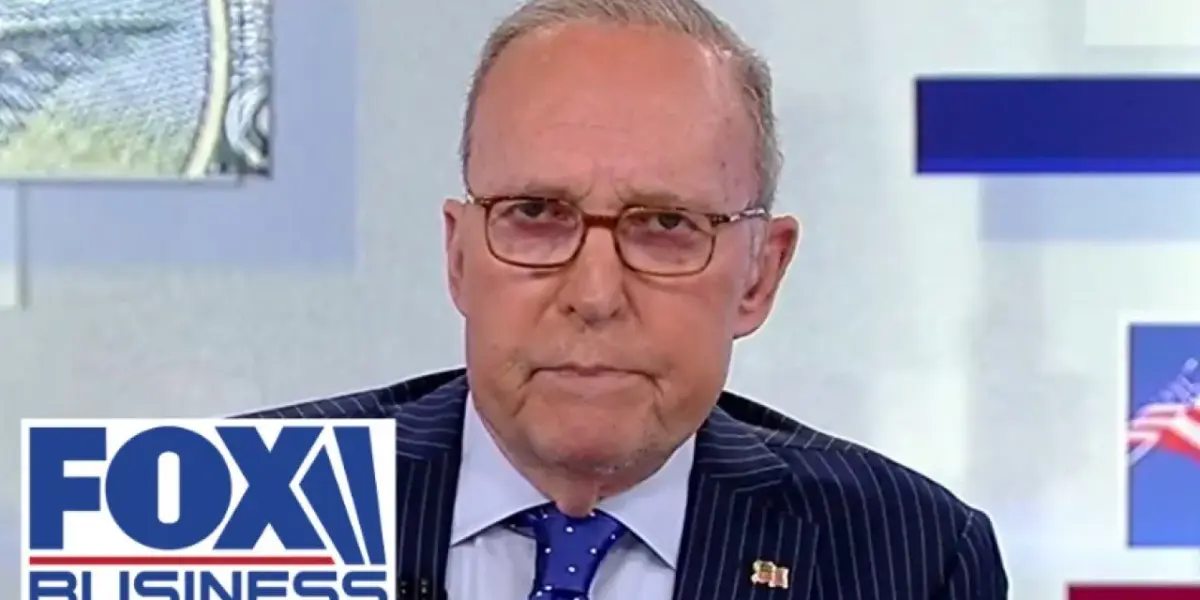
Trump Imposes Naval Blockade on Iran, Threatening Economic Collapse
President Trump has implemented a stringent naval blockade in the Strait of Hormuz, a move aimed at crippling Iran’s economy by cutting off its oil exports. This aggressive strategy, described as ‘Trumpian jiu-jitsu,’ seeks to starve the Iranian regime of vital revenue. The U.S. Central Command (CENTCOM) stated that any vessel entering or leaving the blockaded area without authorization faces interception, diversion, and capture. However, CENTCOM clarified that the blockade will not hinder neutral transit passage through the Strait or from non-Iranian destinations.
Economic Warfare: The Numbers Behind the Blockade
The financial implications for Iran are staggering. Over 90% of Iran’s annual trade, valued at nearly $110 billion, passes through the Persian Gulf. Before the current sanctions, crude oil exports alone generated approximately $139 million daily. Petrochemicals added another $54 million per day to the regime’s coffers. Analysts estimate that a complete halt to these exports could result in a daily revenue loss of $435 million, totaling a massive $159 billion over a year.
This projected annual loss of $159 billion is roughly 50% more than Iran’s entire national budget, which stands at around $100 billion. The administration’s goal is to make Iran’s oil trade impossible, forcing the regime to cease its uranium enrichment activities and dismantle its nuclear facilities. President Trump stated the policy is ‘all in and all out,’ predicting that Iran will eventually concede to U.S. demands.
Iran’s Tightening Grip: Storage and Infrastructure at Risk
The economic pressure is expected to intensify rapidly. According to industry sources, Iran’s onshore oil storage facilities could reach capacity in as little as 13 days. Once storage is full, the country’s oil infrastructure would be forced to shut down, potentially causing permanent damage. This economic strangulation is intended to bring Iran back to the negotiating table.
Market Impact and Investor Considerations
What Investors Should Know: The intensified U.S. pressure on Iran’s oil exports could have ripple effects across global energy markets. While the direct impact on most global companies may be limited, the geopolitical tension could lead to increased volatility in oil prices and related commodities. Investors should monitor developments in the Persian Gulf and their potential influence on international trade routes and energy supply.
The effectiveness of this economic blockade in forcing Iran’s compliance remains uncertain. Some analysts suggest that the Iranian regime, potentially led by hardliners like Mohammad Ghalibaf, may not easily capitulate. The long-term consequences of such economic warfare, including potential retaliatory actions or shifts in regional alliances, are still unfolding. The administration’s strategy hinges on the belief that economic devastation will compel Iran to negotiate terms favorable to the United States, but the exact timeline and outcome are yet to be determined.
Naval Enforcement and Potential Confrontation
CENTCOM’s statement signals a firm commitment to enforcing the blockade. Any vessel attempting to defy the U.S. naval presence could face aggressive interception. The transcript draws a parallel to past actions, suggesting that Iranian naval craft attempting to challenge U.S. forces would be swiftly neutralized, similar to the confrontation with Venezuelan boats. This assertive stance underscores the high stakes involved in the current geopolitical standoff.
Broader Geopolitical Context
The blockade is part of a broader strategy to isolate and pressure Iran, stemming from its nuclear program and regional activities. By cutting off its primary source of income, the U.S. aims to limit Iran’s ability to fund its military and support proxy groups. This ‘maximum pressure’ campaign seeks to fundamentally alter Iran’s behavior without resorting to direct military conflict, though the risk of escalation remains.
Long-Term Implications
The success of this strategy could set a precedent for using economic sanctions and naval blockades as primary tools of foreign policy. For investors, understanding these geopolitical dynamics is crucial for navigating the complexities of global markets. The potential for prolonged regional instability or shifts in global energy flows requires careful observation.
Source: Larry Kudlow: President Trump just turned the tables… (YouTube)

Related Articles


Hungary Rejects Orban, Embraces Pro-EU Path
Hungary has elected Peter Magyar as its new leader, signaling a significant shift away from Viktor Orban's nationalist policies and a renewed commitment to the European Union. Magyar's government prioritizes securing frozen EU funds and improving relations with the bloc, though challenges remain in addressing migration and past ties to Russia.


Iran Blockade Shifts Global Oil Flow to U.S.
A blockade in the Strait of Hormuz has triggered a major shift in global oil supply routes, with supertankers now heading to the U.S. Gulf Coast. Despite geopolitical tensions, markets remain resilient, and corporate profits are projected to rise.


Oil Prices Dictate Market Moves, Expert Says
Oil prices are a key indicator, dictating stock market direction as prices above $100 per barrel correlate with market downturns. Despite mixed consumer sentiment signals, the economy shows resilience with stable employment. Investors are watching earnings reports closely as estimate increases slow, while valuations become more reasonable amidst persistent inflation concerns.